Acrab builds edge silicon to power local AI agents
Singapore-based startup Acrab has raised 350 million dollars to build edge silicon and compute platforms for autonomous AI agents.
As artificial intelligence transitions from simple conversational chatbots to autonomous agents capable of carrying out complex multi-step tasks, existing cloud infrastructure faces severe limits. Sending constant streams of rich multi-modal data back and forth to distant cloud servers creates unacceptable latency and raises pressing privacy concerns for software agents operating in real time. Acrab AI, a Singapore-headquartered technology company founded in 2024, is tackling this bottleneck by building dedicated compute infrastructure tailored for agentic workloads. By moving continuous reasoning and execution directly to local edge silicon, the team aims to make intelligent digital helpers practical, secure, and accessible for daily life.
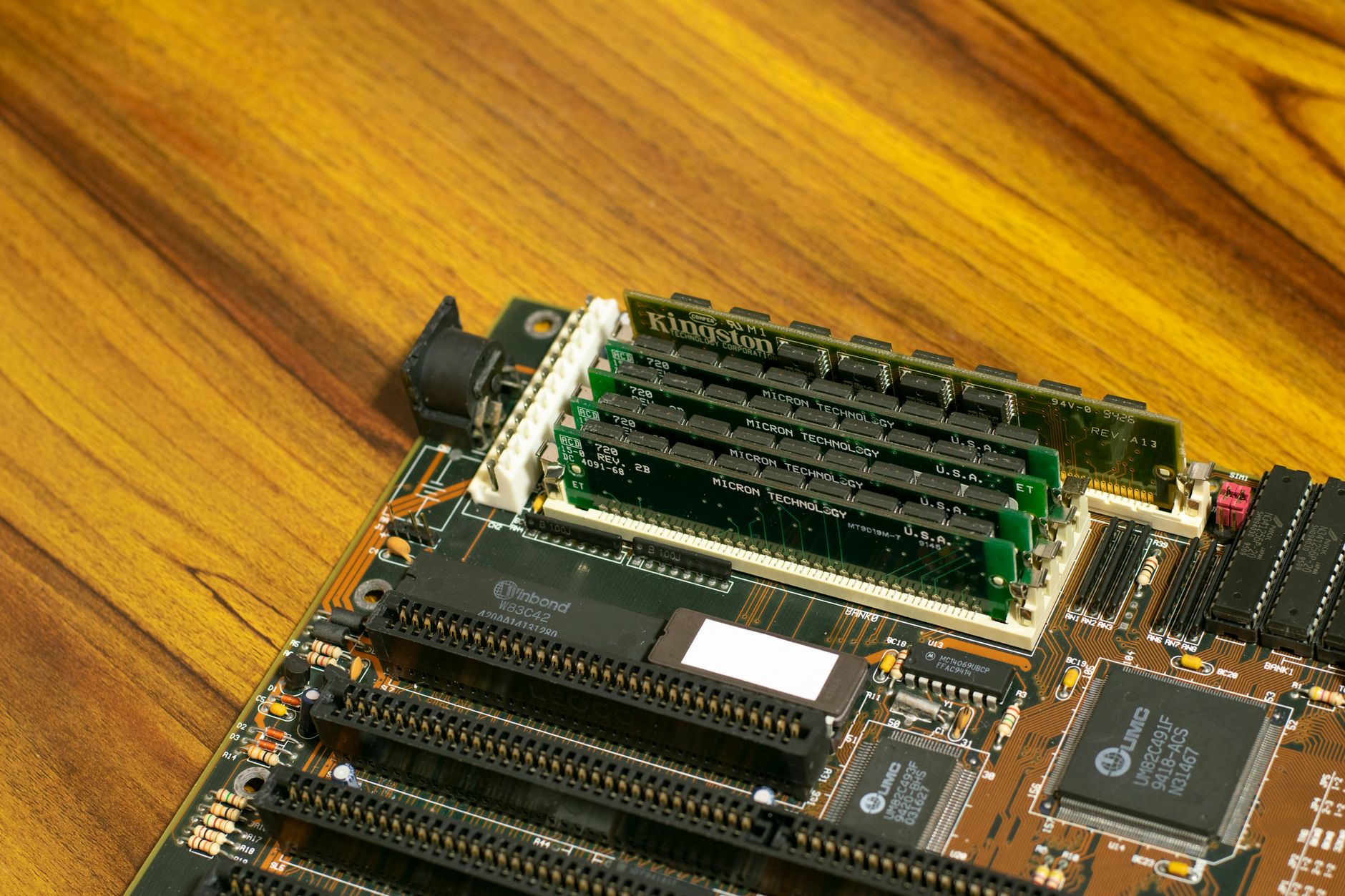
At the core of Acrab's platform is a custom system-on-chip optimised specifically for local inference and dynamic long-term memory systems. Chief executive Ken Phua drew upon deep semiconductor leadership experience, including senior roles at Arm UK and Arm China, to design hardware capable of handling demanding AI routines. Traditional general-purpose processors frequently struggle with the intensive prefill and decode phases required by modern large language models. Acrab solves this challenge by pairing high memory bandwidth with a scalable orchestration framework that balances processing tasks efficiently across connected devices without relying on central server clusters.
This full-stack infrastructure integrates specialised edge silicon with standalone hardware devices like the Acrab Agent Box. Because data processing happens entirely on the local device, intelligent agents can maintain persistent long-term memory and continuously update their knowledge bases while ensuring absolute personal privacy. The underlying architecture supports diverse applications, from real-time sales guidance and creative media tools to always-on personal caretakers and mobile companions. By running multi-modal inference on the edge, the system reduces latency to negligible levels while removing any dependence on external cloud connectivity.
Venture capital firms have recognised the vital role that dedicated hardware plays in scaling autonomous agent networks. Acrab exited stealth mode following a 130 million dollar Series B funding round backed by Vertex, bringing its total funding to over 350 million dollars since 2024. This significant capital allocation allows the company to accelerate the production of its edge processors, expand its global technical teams, and deepen partnerships with hardware manufacturers. Investors view specialised edge compute as an essential requirement for the next era of autonomous digital interaction.
Looking ahead to Web Summit 2026, Acrab plans to showcase how its edge compute foundation enables smooth, continuous cooperation between physical hardware and adaptive agents. As the Singapore-headquartered business expands distribution channels for its edge processors and software framework, it aims to establish a reliable standard for localised artificial intelligence. Under the leadership of Ken Phua, the company is delivering the physical hardware needed to ensure autonomous digital assistants remain responsive, private, and deeply integrated into everyday human routines.
Find out more at acrab.ai
 The Future FrontBe on the cover.Twice a month we put the people shaping what's next on our cover.Apply for the cover