2026: The Warehouse Robotics Reckoning
The warehouse robotics sector is hitting a wall where demo-room benchmarks no longer cut it, and investors are finally demanding the uptime data to prove it.
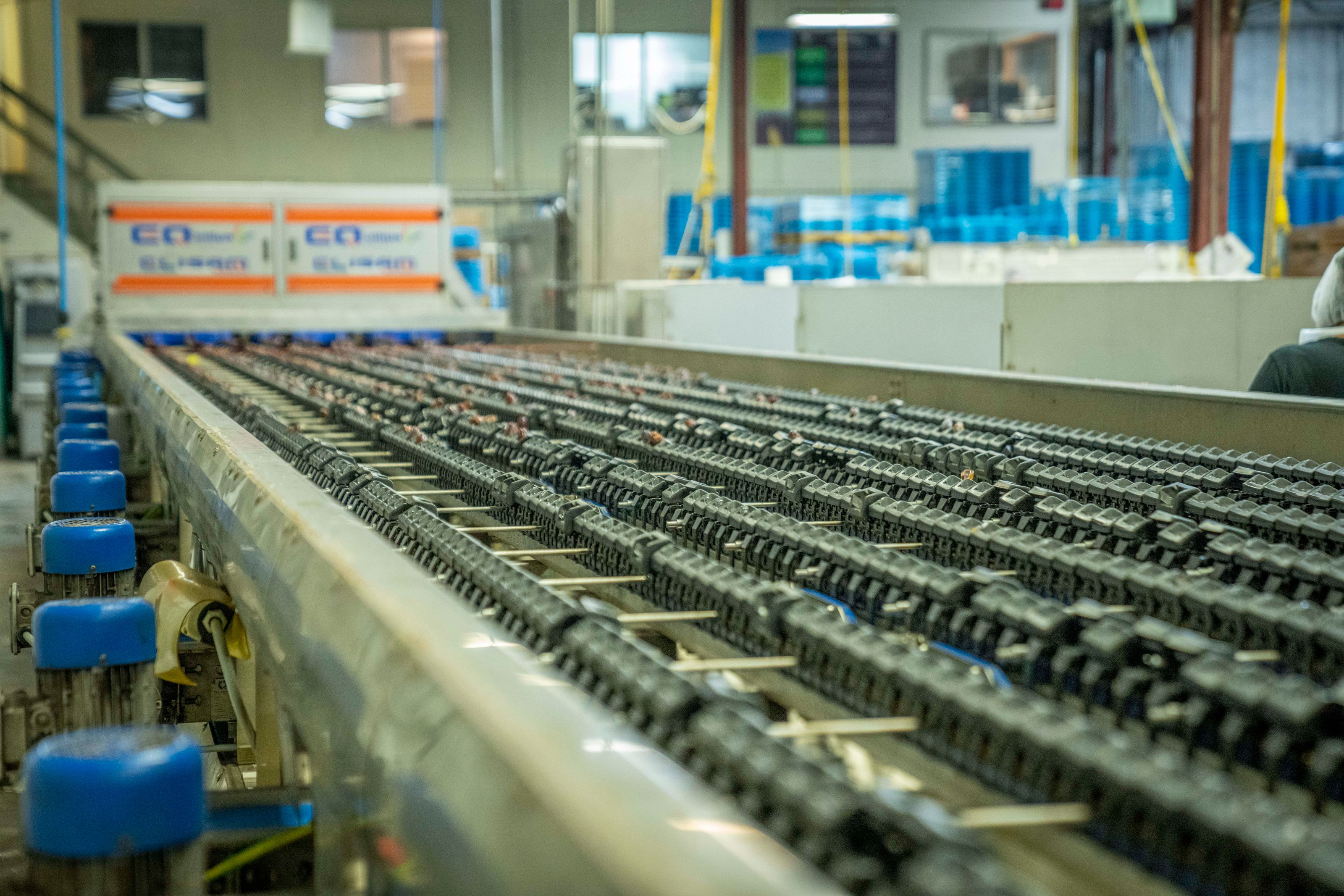
Warehouse robotics is no longer a pitch deck story. Across distribution centers and fulfillment networks, early adopters who bet on automation are now sitting on hard operational data, and what that data reveals is making procurement teams far less patient. Uptime figures, error rates, and throughput consistency are being demanded before contracts are renewed or extended. The vendors who cannot produce those numbers cleanly are already losing ground. This is what a sector shakeout looks like before it is officially called one.
2026 marks a genuine inflection point for the industry. For several years, warehouse robotics vendors competed primarily on deployment speed, price per unit, and the quality of a controlled demo environment. That era is closing fast. Early adopters who scaled past the pilot stage are now the ones setting the terms, and those terms are built around validated, real-world performance at volume. The conversation has moved from "can it work?" to "can you prove it works consistently, at scale, under operational stress?"
The reliability bar is being set in concrete. Warehouses are actively consolidating their vendor rosters, demanding fewer suppliers with broader, validated capabilities, and requiring that performance metrics be auditable before procurement rather than discovered during deployment. Runtime validation has become a baseline expectation, with continuous monitoring systems flagging anomalous behavior in real time and triggering recovery protocols before failures compound. Meanwhile, humanoid robots remain largely in controlled pilots, but their hype has already reshaped investor expectations in ways that put added pressure on today's incumbents to demonstrate the credibility humanoids have not yet earned.
For founders and investors, the implications are direct. Robotics companies that built their valuation on demo-environment benchmarks are now structurally exposed. Follow-on funding will increasingly flow to vendors who can show longitudinal uptime data across multiple live deployments, not cherry-picked metrics from a single flagship site. The sector is also bifurcating: proven incumbents with documented performance records are pulling away from the field, while undifferentiated players face a contracting window to close the credibility gap. Warehouse automation is becoming core supply chain infrastructure, and infrastructure buyers do not fund science experiments.
The next twelve months will accelerate the sorting. Contract renewals coming due in late 2026 will function as de facto performance audits, and vendors who cannot clear the reliability threshold will not get a second chance at the same operator. Investors doubling down on the sector should be treating uptime and error-rate data as the primary due diligence signal, not TAM projections or pilot press releases. The companies that survive this reckoning will not be the fastest movers. They will be the ones who built the measurement infrastructure to prove they deserve to stay.
 The Future FrontBe on the cover.Twice a month we put the people shaping what's next on our cover.Apply for the cover