Xatoms Cleans Industrial Water with AI and Quantum Chemistry
Xatoms uses artificial intelligence and quantum chemistry to discover sunlight-activated materials that purify industrial wastewater.
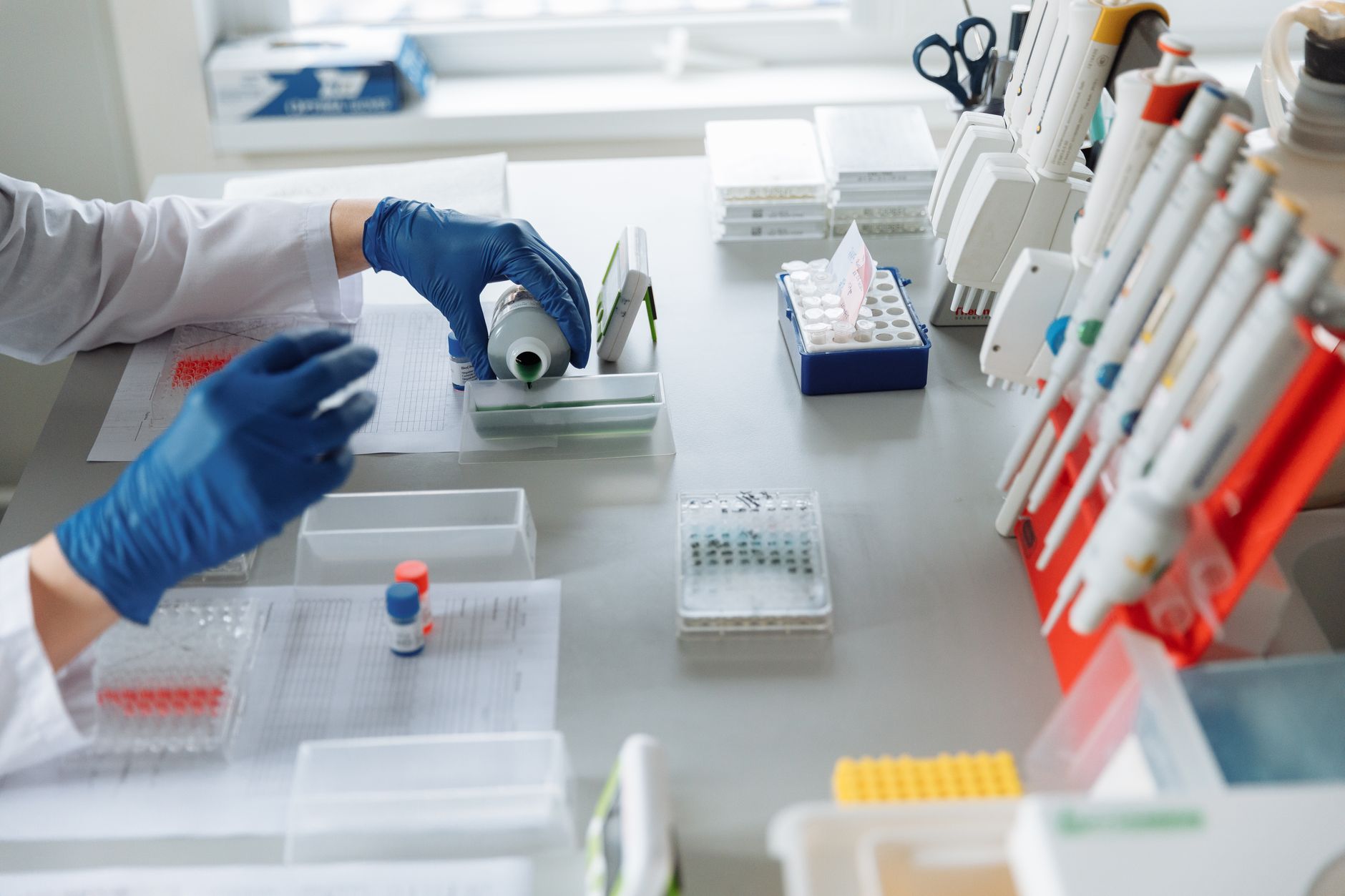
Access to safe drinking water remains one of the most pressing global environmental challenges, with more than eighty percent of industrial wastewater currently discharged without proper treatment. Traditional treatment systems were not designed to process the hundreds of synthetic emerging contaminants introduced into water supplies over the past decade. Co-founders Diana Virgovicova, Shirley Zhong, and Kerem Topalismailoglu launched Xatoms in 2024 at the University of Toronto Mississauga SpinUp wet-lab incubator to address this systemic deficit. Personal experience motivated the founders, from Zhong contracting an illness from polluted water during her childhood in China to Virgovicova designing her first water-cleansing molecule at seventeen in Slovakia. Together with Topalismailoglu, they aimed to combine material science with modern computing to transform water treatment.
The Toronto-based company bridges quantum chemistry and artificial intelligence to design advanced materials for clean water access. Traditional laboratory research into photocatalytic substances often requires years of manual synthesis and physical testing. By deploying custom computational algorithms developed by Topalismailoglu, Xatoms models atomic structures in software to predict how molecules will interact with specific pollutants. This AI-assisted discovery platform dramatically compresses research timelines, allowing the team to rapidly identify eight effective photocatalysts ready for synthesis and testing. The resulting computational workflow enables customised material design tailored to complex industrial wastewater streams.
The core product takes the form of a reusable photocatalytic powder designed for seamless drop-in integration into existing water treatment infrastructure. When activated by ordinary visible light, including natural sunlight or low-energy indoor LEDs, these proprietary materials trigger chemical reactions that break down stubborn pollutants. The process targets heavy metals, bacteria, organic compounds, and persistent industrial chemicals without requiring high-energy ultraviolet lamps or heavy chemical dosing. Because the active powder can be recovered and reused across numerous treatment cycles, it significantly reduces material consumption, secondary waste, and overall operational expenditures for facility operators.
To prove its technology beyond the laboratory, Xatoms has initiated pilot projects across multiple continents under varied environmental conditions. Early field trials have launched in Texas, Kenya, and South Africa, testing the photocatalytic materials against localized wastewater contamination profile challenges. The company focuses on supplying industrial clients and water filtration manufacturers with low-energy purification solutions that cut energy demands. Supported by more than three million dollars in pre-seed funding, the startup is expanding its pilot network while refining its material discovery algorithms to target emerging industrial pollutants.
Industry interest in the platform has grown rapidly alongside international recognition for its novel approach to clean water. The company was named a top water innovation at the World Economic Forum 2026 and featured on global technology award lists. As industrial regulations around wastewater discharge become stricter worldwide, low-energy photocatalysis offers a practical pathway toward sustainable water reuse. Presenting at Slush 2026, Xatoms aims to forge new commercial partnerships with international water utilities, industrial operators, and manufacturing partners to accelerate the deployment of its sunlight-activated purification technology across vulnerable regions.
Find out more at xatoms.com
 The Future FrontBe on the cover.Twice a month we put the people shaping what's next on our cover.Apply for the cover