Why Trade Wars Can't Stop the Clean Energy Surge
Rising tariffs and fragmented supply chains are no match for the unstoppable economic momentum of clean energy.
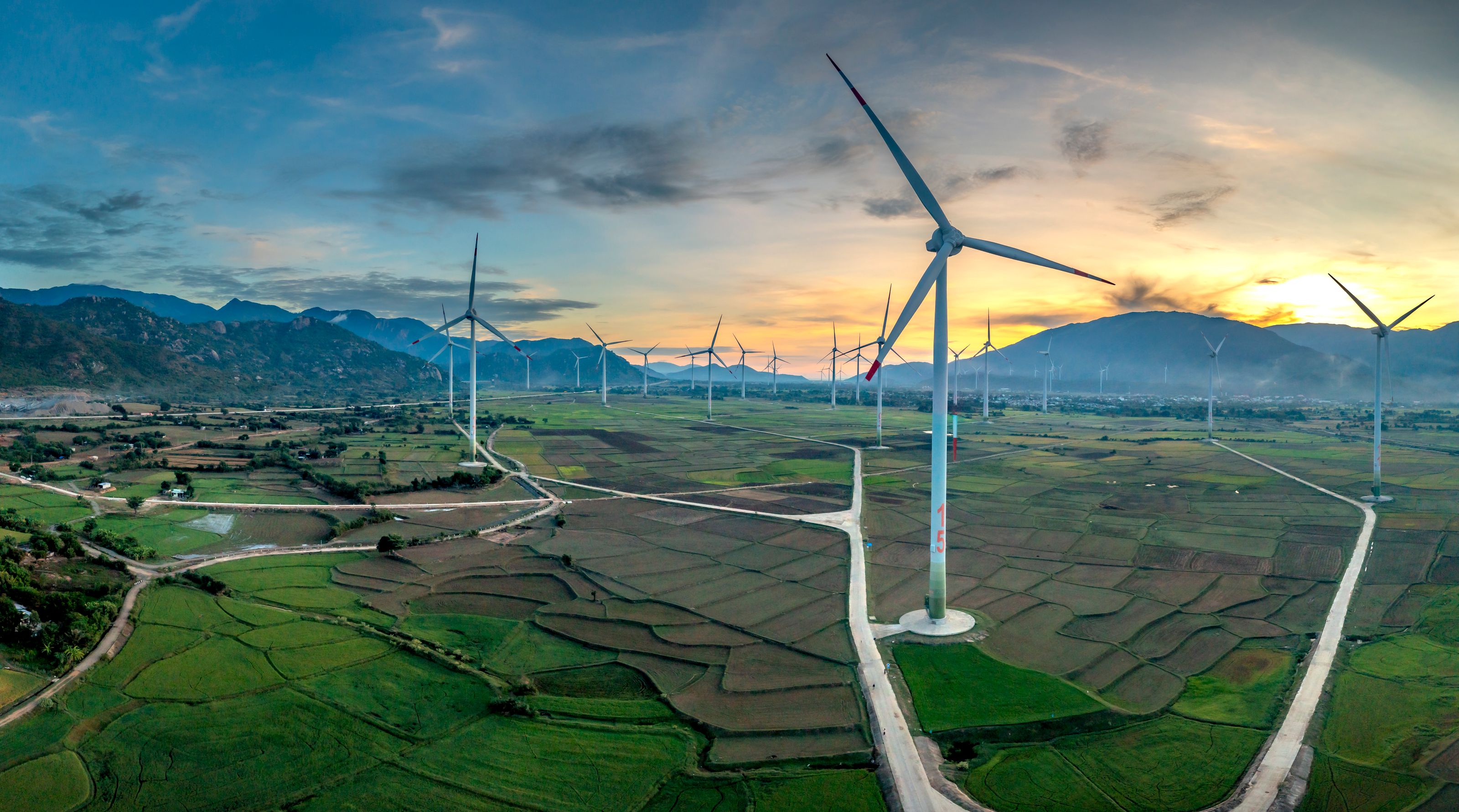
Global trade barriers are rising, yet the energy transition is accelerating at a record pace. BloombergNEF data projects that the world will install 4.5 terawatts of new wind and solar capacity over the next five years. This represents a massive 67 percent increase compared to the preceding five-year period. The sheer economic reality of cheap renewables has officially decoupled clean energy deployment from global policy cohesion.
For years, the prevailing wisdom was that the green transition required seamless international cooperation and open supply chains. Today, we are seeing the exact opposite, with escalating tariff wars, protectionist industrial policies, and fragmented manufacturing routes. Despite these headwinds, localized market demand and cost parity are successfully overriding geopolitical friction. Investors and founders are realizing that clean technology is no longer an idealistic policy play, but a cold, hard economic necessity.
Even in the United States, where federal policy momentum has shifted away from climate mandates, market forces remain undefeated. BNEF estimates the US will install 336 gigawatts of wind, solar, and storage by 2030, a 24 percent increase over the previous five years. Beyond power generation, carbon capture capacity is on track to quadruple to over 200 million metric tons annually by the end of the decade. Meanwhile, clean hydrogen is projected to reach five million metric tons per year, proving that deep decarbonization is scaling despite political volatility.
This resilience changes the playbook for climate tech founders and venture capitalists. Instead of relying on vulnerable government subsidies, successful startups are building business models that thrive under regionalized supply chains. Capital is flowing toward software and hardware solutions that optimize local grid capacity and manage localized supply chains. The winners of this next era will be those who treat geopolitical fragmentation not as a roadblock, but as a design constraint.
Over the next twelve months, expect a wave of investment into domestic manufacturing and alternative supply chain routing. Developers will prioritize localized battery chemistry and onshore component sourcing to hedge against sudden tariff hikes. As grid bottlenecks intensify, startups focused on grid orchestration and transmission efficiency will command premium valuations. The transition is no longer waiting for global consensus, it is moving forward on pure economic momentum.
 The Future FrontBe on the cover.Twice a month we put the people shaping what's next on our cover.Apply for the cover




