Why the Solar Boom Outran the Tariff War
Despite hostile tariffs and shifting tax rules, utility-scale solar is crushing expectations, proving that market demand now outpaces political friction.
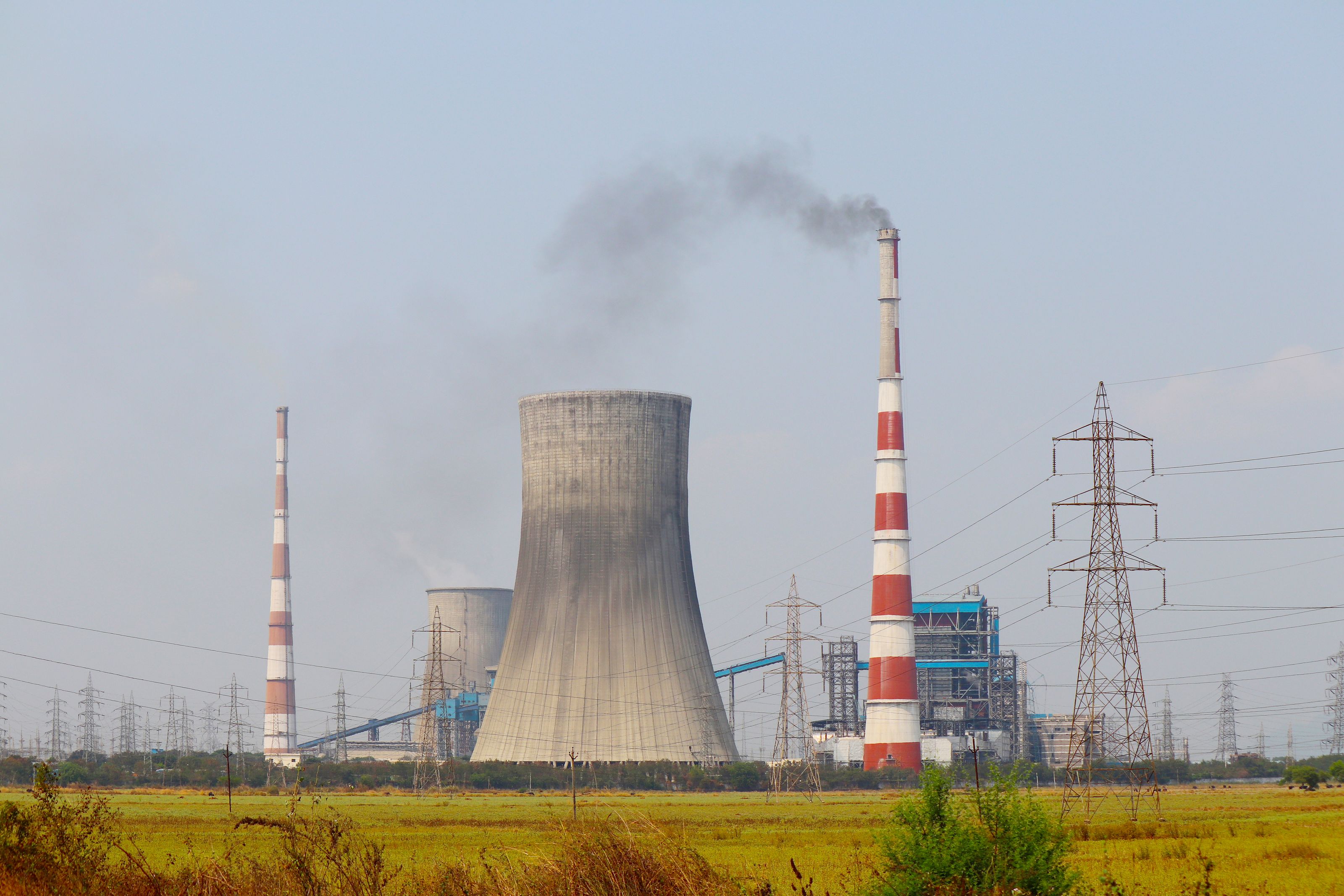
In 2026, the long-predicted collision between trade protectionism and the clean energy transition has arrived, and clean energy is winning. Despite aggressive new import tariffs and fluctuating federal tax incentives, utility-scale solar installations are registering historic growth rates across the United States. Texas has officially overtaken all other states to become the country's top producer of utility-scale solar capacity, defying traditional fossil fuel hegemony. This resilience proves a critical thesis for the market, which is that solar power has finally crossed the threshold from a policy-dependent experiment to an unstoppable economic default.
Developers of massive solar projects exceeding one megawatt are currently navigating a heavily altered operating environment. Federal policy support has softened and new tariffs have significantly boosted the cost of imported photovoltaic components, yet the buildout continues entirely uninterrupted. The underlying driver is pure market dynamics rather than government subsidy. Skyrocketing grid demand from energy-intensive artificial intelligence data centers and industrial manufacturing facilities has created an insatiable hunger for immediate, cheap power that traditional fossil fuels cannot deploy quickly enough.
The hard numbers highlight this decoupling of clean energy growth from government patronage. While natural gas is projected to maintain a solid 40 percent share of overall U.S. power generation through 2027, renewables are capturing almost all new utility-scale capacity additions. In hyper-competitive deregulated markets, cost-efficiency now dictates deployment decisions rather than federal climate mandates. Solar developers have optimized their supply chains and capital structures so thoroughly that new projects remain highly profitable even when factoring in severe import duties.
For climate tech founders and venture investors, this structural resilience signals a fundamental shift in how sector risk is calculated. Regulatory risk, once the primary threat to clean energy portfolios, has been diluted by sheer cost-competitiveness. Startups focusing on grid integration software, domestic supply chain automation, and hardware efficiency are finding an eager market ready to buy anything that offsets tariff premiums. The clean energy sector is no longer waiting for political permission to scale, forcing a rewrite of the traditional investment playbook.
Over the next twelve months, this regulatory immunity will drive an unprecedented wave of private capital into domestic solar infrastructure. As international supply chains reorganize to bypass tariff barriers, localized manufacturing initiatives will begin to deliver domestic components at scale. Grid operators will face intense pressure to accelerate interconnection queues to accommodate this massive wave of private development. Ultimately, the next year will prove that while federal policy can alter the speed of the energy transition, it no longer has the power to change its direction.
 The Future FrontBe on the cover.Twice a month we put the people shaping what's next on our cover.Apply for the cover