Why Tariff Wars Failed to Stop the Solar Boom
Despite new tariffs and expiring tax deadlines, US utility-scale solar is on track for a record-breaking 43 gigawatts of new capacity this year.
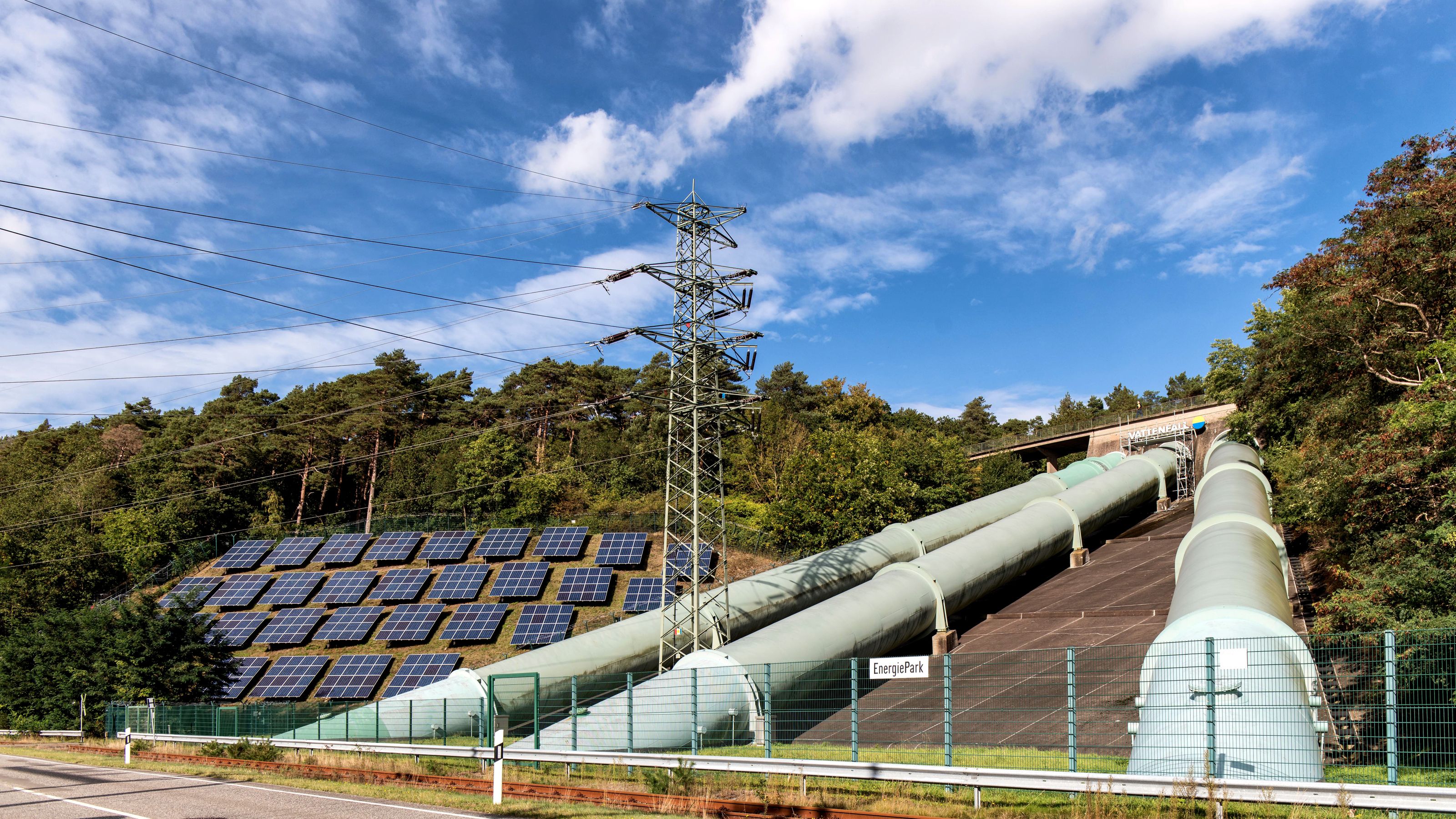
The United States is on track to install a record-breaking 42,971 megawatts of utility-scale solar this year, demonstrating an unprecedented resilience to political and regulatory headwinds. According to the Energy Information Administration, developers are set to complete nearly 34,000 megawatts of capacity in the latter half of the year alone. These staggering deployment figures easily eclipse those of every other power generation technology combined. For climate tech investors, this performance proves that the fundamental economics of clean energy have finally decoupled from Washington's legislative volatility.
This historic expansion comes at a time of severe regulatory friction, marked by new tariffs on foreign polysilicon components and a major shift in tax policies. Under the latest rules, projects had to begin construction by July 4, 2026, to qualify for the full solar tax credit before its phase-down. Historically, such abrupt regulatory cliffs would have frozen capital deployment and sent shockwaves through energy markets. Instead, institutional investors and developers fast-tracked financing, proving they are now comfortable underwriting regulatory risks that once stalled the entire sector.
The driving force behind this resilience is a relentless decline in hardware costs that tariffs have failed to reverse. The latest Solar Market Insight Report reveals that utility-scale system pricing fell by 3% year-over-year, anchored by a massive 20% annual drop in solar module prices. This steep deflationary curve has successfully neutralized the rising costs of labor, land, and localized supply chains. While smaller commercial installations saw minor cost increases, utility-scale projects maintained superior margin profiles that keep institutional capital flowing.
Yet, this solar surge also exposes a stubborn transition gap that clean energy has yet to bridge. Even with record solar capacity coming online, natural gas maintains a firm 40% market share of US electricity generation to handle surging baseload demand from data centers and manufacturing. For climate tech founders and venture capitalists, this baseline deficit represents the next major frontier. Raw generation is no longer the bottleneck; the urgent demand is for massive grid-scale battery storage and intelligent power routing systems.
Over the next twelve months, the market will increasingly prioritize dispatchability over pure generation volume. Expect developers to aggressively bundle solar assets with utility-scale battery storage to capture premium pricing during peak demand hours. As federal tax credits transition into their next phase, the winners will be those who can deliver predictable, round-the-clock clean energy. The policy battles of the past are becoming irrelevant as solar solidifies its position as the cheapest and most scalable source of new power on the grid.
 The Future FrontBe on the cover.Twice a month we put the people shaping what's next on our cover.Apply for the cover