Why Geopolitics Can't Stop the 4.5 Terawatt Energy Boom
While political headlines paint a picture of a stalled green transition, the underlying economics are quietly securing a massive 4.5 terawatt market.
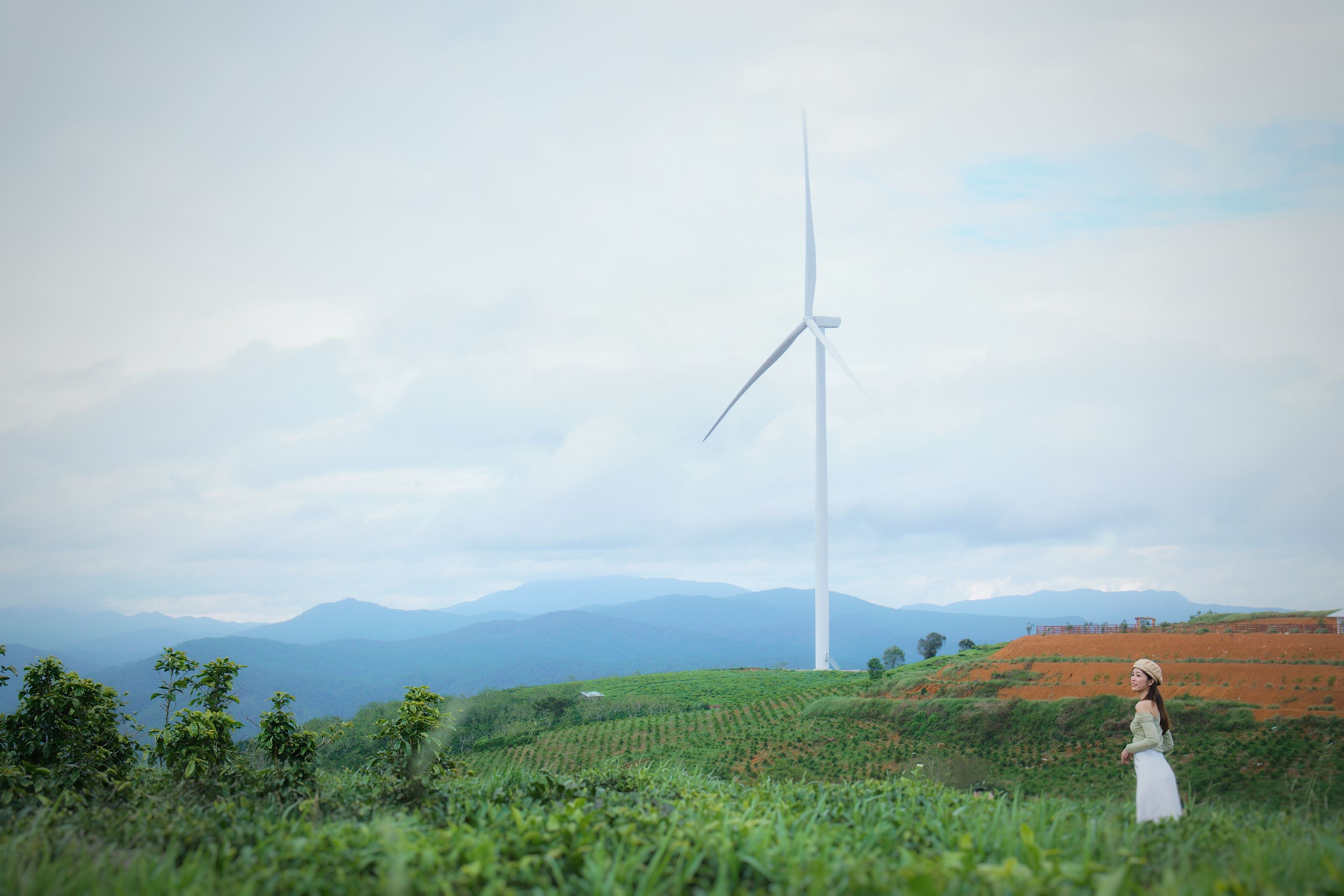
Global clean energy deployment is about to shatter previous records despite a fractured geopolitical landscape that suggests otherwise. BloombergNEF projects a staggering 4.5 terawatts of new wind and solar installations globally over the next five years. This represents a massive 67 percent increase in deployment capacity compared to the preceding five-year period. For climate tech founders and venture capitalists, this sheer volume of raw capacity represents an unprecedented market opportunity. The physical reality of the transition is now outpacing the political noise.
The push toward a lower-carbon global economy ran into strong headwinds last year, creating a narrative of a stalled energy transition. Political uncertainty, uneven policy support, and supply chain friction have complicated the outlook for climate-focused investors. Yet beneath this surface-level friction, the fundamental economics of solar power and energy storage have crossed a critical threshold. The transition is no longer just a regulatory mandate but an economic inevitability driven by cost efficiency. Governments may delay policies, but they cannot easily subsidize more expensive fossil alternatives indefinitely.
The resilience of this growth is most visible in regions undergoing significant political shifts. In the United States, even with federal policy momentum swinging away from climate initiatives, BloombergNEF forecasts 336 gigawatts of wind, solar, and storage installations from 2026 to 2030. This projected expansion is 24 percent higher than what the nation deployed over the previous five years. Global energy transition investment also reached a record 2.3 trillion dollars in 2025, proving that capital allocators are looking past short-term electoral cycles.
This massive influx of intermittent power creates a critical bottleneck that cannot be solved by hardware deployment alone. The rapid addition of terawatts of variable generation is putting immense strain on aging grid infrastructures globally. This structural challenge shifts the focus, and the venture returns, toward grid-integration software, utility-scale energy storage, and supply chain orchestration technologies. Founders who build the digital nervous system for this new decentralized grid will capture the lion's share of the market value. The hardware is scaling, and now the software must catch up.
Over the next twelve months, we will see a rapid maturation of early-stage grid intelligence startups as utilities scramble to manage this new load. Expect venture capital to pivot heavily toward software layers that optimize existing power lines and predict generation surges. Hardware manufacturers will also face intense pressure to regionalize their supply chains to hedge against ongoing trade fragmentation. The winners of this next phase will not be those building cheaper panels, but those building the software to orchestrate them. The 4.5 terawatt wave is coming, and the digital infrastructure to catch it must be built today.
 The Future FrontBe on the cover.Twice a month we put the people shaping what's next on our cover.Apply for the cover




