Why Clean Tech Outgrew the Government
With $180 billion flowing into clean energy in 2026 despite rolled-back subsidies, the green transition is now entirely market-driven.
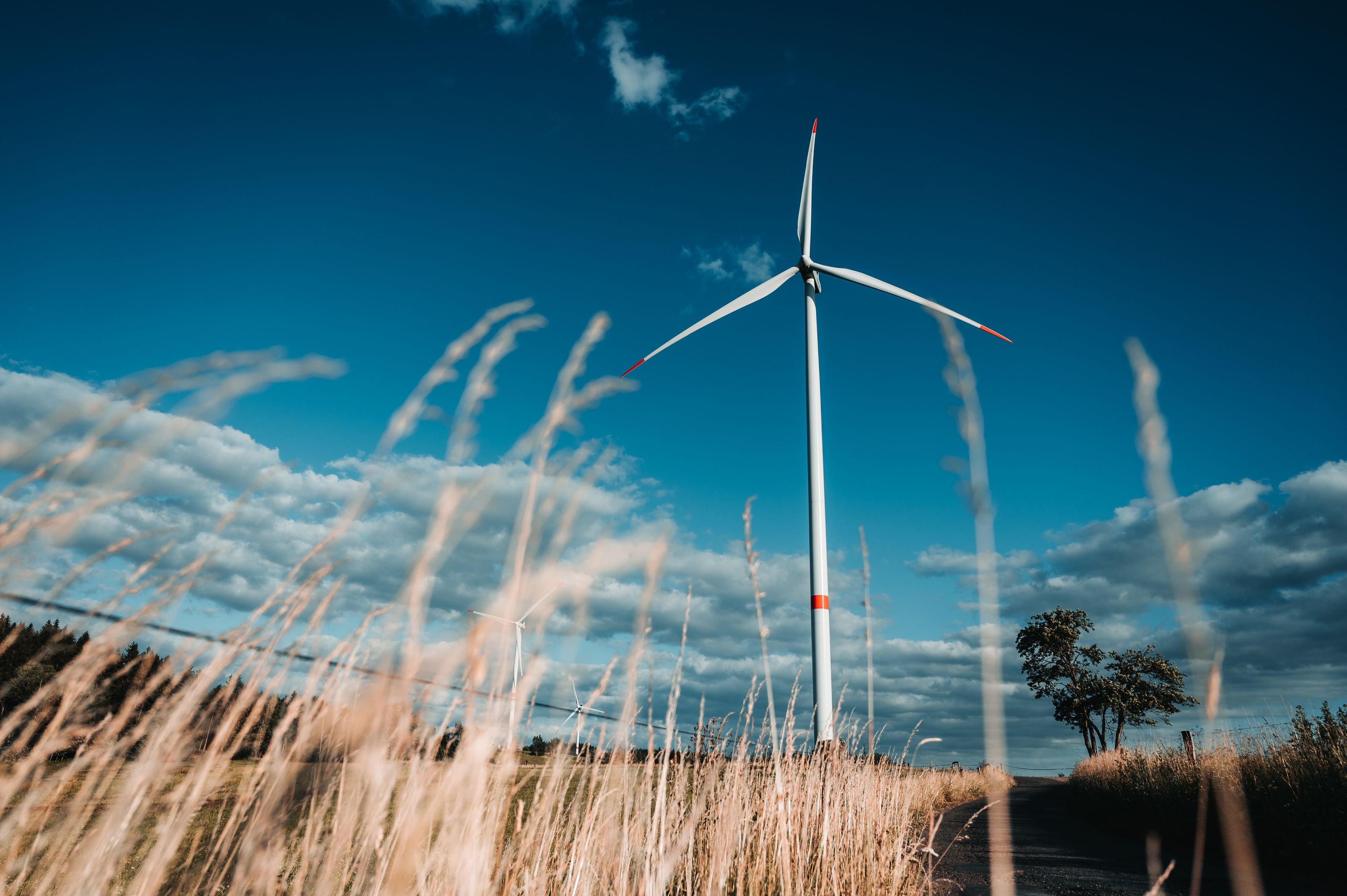
Clean energy investment is no longer a hostage to political cycles. Despite the aggressive rollback of federal climate incentives and legacy subsidies, global clean energy capital expenditures reached a staggering $74 billion in the first half of 2026. The sector is now comfortably on pace to hit an all-time high of $180 billion by the end of the year. This massive surge reveals a fundamental truth that Washington has failed to grasp. The green transition is now entirely self-sustaining, insulated from regulatory shifts by relentless private market demand.
For over a decade, critics argued that clean tech was a fragile, policy-dependent ecosystem that would collapse the moment state handouts vanished. What we are witnessing in 2026 is the definitive refutation of that thesis. Hardware costs have plummeted so aggressively that renewable energy is now frequently the cheapest power generation option on a purely unsubsidized basis. Founders and venture capitalists are no longer building business models around federal tax credits, but around structural, inescapable market realities.
The hard data backing this transition is particularly evident in the energy storage market. U.S. utility-scale battery storage has quietly scaled to a massive 52 gigawatts, fueled by three consecutive years of 70 percent average annual growth. Even as political headwinds intensified, developers managed to plug 8.3 gigawatts of new battery capacity into the grid during the first six months of 2026 alone. This rapid scaling proves that the private sector is solving the grid intermittency problem on its own dime because the economic returns are simply too lucrative to ignore.
This market decoupling signals a profound shift for the entire startup and venture capital landscape. Instead of navigating the bureaucratic labyrinth of government grants, climate tech startups are raising capital based on unit economics and clear customer demand. Legacy energy companies and private equity firms are realizing that fighting this transition is no longer a political stance, but a bad financial bet. The incoming wave of capital is targeted at scaling infrastructure rather than betting on speculative, policy-backed breakthroughs.
Over the next twelve months, we will see this private momentum trigger a massive modernization of the physical grid. Big Tech is already bypassing traditional, slow-moving utility companies to secure clean power directly for power-hungry artificial intelligence data centers. As grid bottlenecks ease and hardware costs continue their downward trajectory, clean energy deployment will likely accelerate regardless of who occupies the White House. The era of the subsidized green experiment is officially over, replaced by a permanent, market-driven industrial boom.
 The Future FrontBe on the cover.Twice a month we put the people shaping what's next on our cover.Apply for the cover




