WEF's 10 Technologies That Will Matter by 2031
The WEF just published its most credible map of where capital and innovation converge, and founders who ignore it are flying blind.
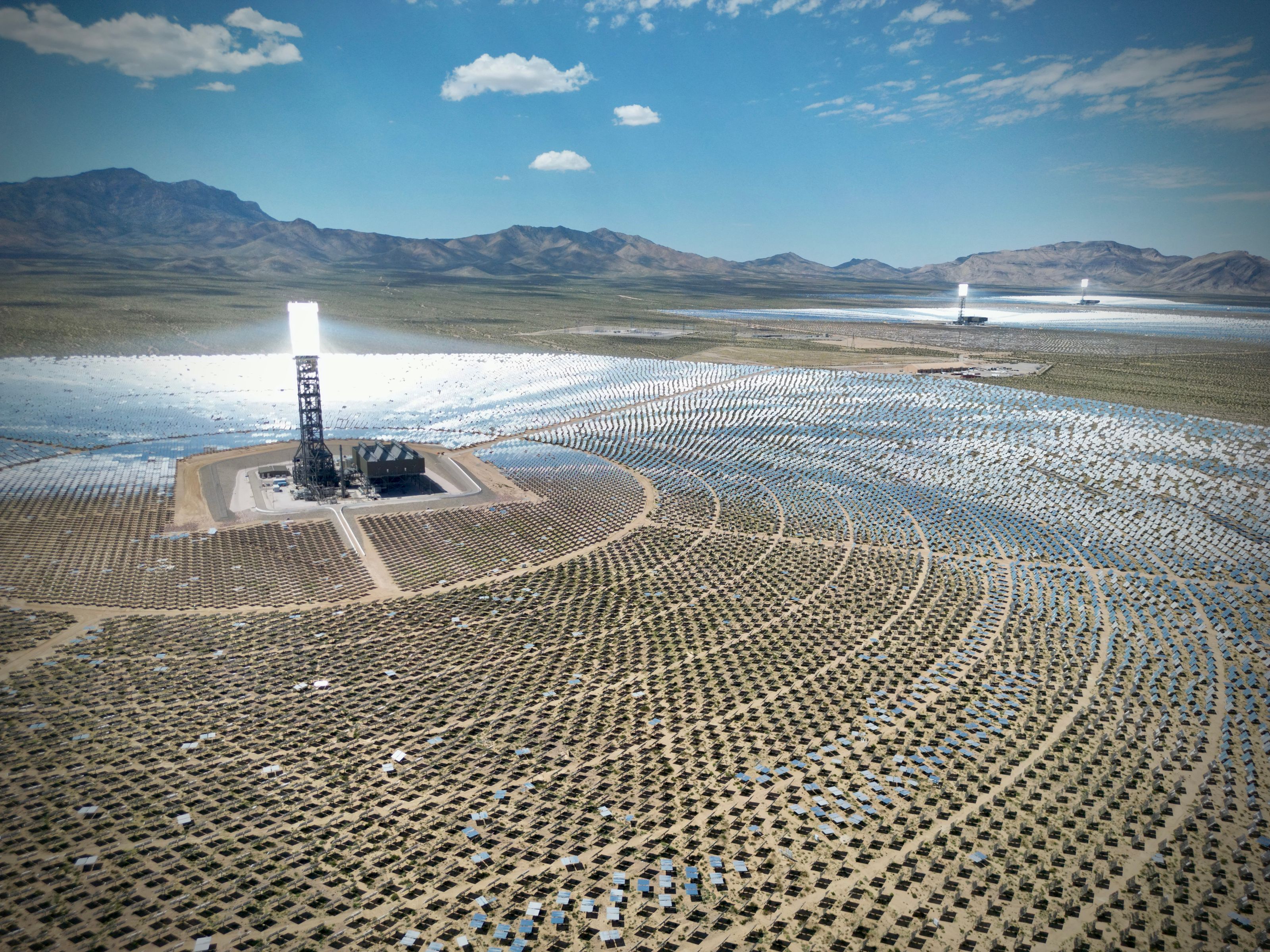
Every June, the World Economic Forum publishes the one technology list serious investors actually read. The 2026 edition, compiled in collaboration with the Dubai Future Foundation and published alongside scientific journal Frontiers, identifies ten technologies already moving from research into real-world deployment, each selected for societal impact, scalability, and economic disruption potential. This is not a trend listicle. The WEF's track record demands attention: AI-led molecular design appeared on this list in 2018, two years before DeepMind's AlphaFold breakthrough and six years before it earned a Nobel Prize in 2024.
The 2026 cohort spans five domains: energy, materials, health, computing, and environmental remediation. The picks include everything-to-grid energy, direct lithium extraction, passive radiative cooling materials, PFAS destruction technologies, precision fermentation, exosome drug delivery, personalized mRNA cancer vaccines, quantum simulation for drug discovery, lattice-based cryptography, and AI-led molecular design. That breadth is deliberate. The WEF methodology, drawn from expert panels across industry, academia, and government, is designed to surface technologies that cut across sectors rather than optimise within them. For founders building at intersections, that framing matters.
The health cluster alone signals a significant capital shift. Personalized mRNA cancer vaccines are moving beyond the pandemic-era proof of concept that made Moderna a household name, now targeting tumor-specific antigens in a way that could redefine oncology economics. Exosome drug delivery, meanwhile, offers a biological transport mechanism that sidesteps many of the toxicity and targeting problems that have plagued conventional therapeutics. Quantum simulation for drug discovery is the most speculative of the three, but its inclusion signals that the WEF's expert panels believe the hardware is close enough to deployment timelines to warrant strategic positioning now.
The energy and computing picks carry equally sharp implications for infrastructure investors. Everything-to-grid energy, the idea that any device or asset can function as a bidirectional grid node, challenges utility business models at their foundations. Direct lithium extraction, pulling lithium directly from brine without evaporation ponds, could compress the supply chain timelines that currently constrain battery gigafactory buildouts. Lattice-based cryptography is the quietest pick on the list but arguably the most urgent: post-quantum encryption standards are already being mandated by governments, and enterprises that delay migration are accumulating technical and regulatory debt simultaneously.
Over the next twelve months, expect the WEF list to function as a policy accelerant as much as a market signal. Governments aligned with the Forum's agenda, particularly in the Gulf, Europe, and East Asia, will use the 2026 report to shape R&D funding priorities and procurement frameworks. Founders building in precision fermentation, PFAS remediation, or passive cooling materials should be preparing regulatory roadmaps now, not after the capital flows in. The technologies that appeared on this list in prior years averaged a six-year runway to Nobel-level validation. The founders who move in year one rarely regret it.
 The Future FrontBe on the cover.Twice a month we put the people shaping what's next on our cover.Apply for the cover




