Web Summit Lisbon Signals the End of Pure SaaS
Web Summit 2026 made one thing clear: traditional software models are losing floor to physical AI and autonomous engineering.
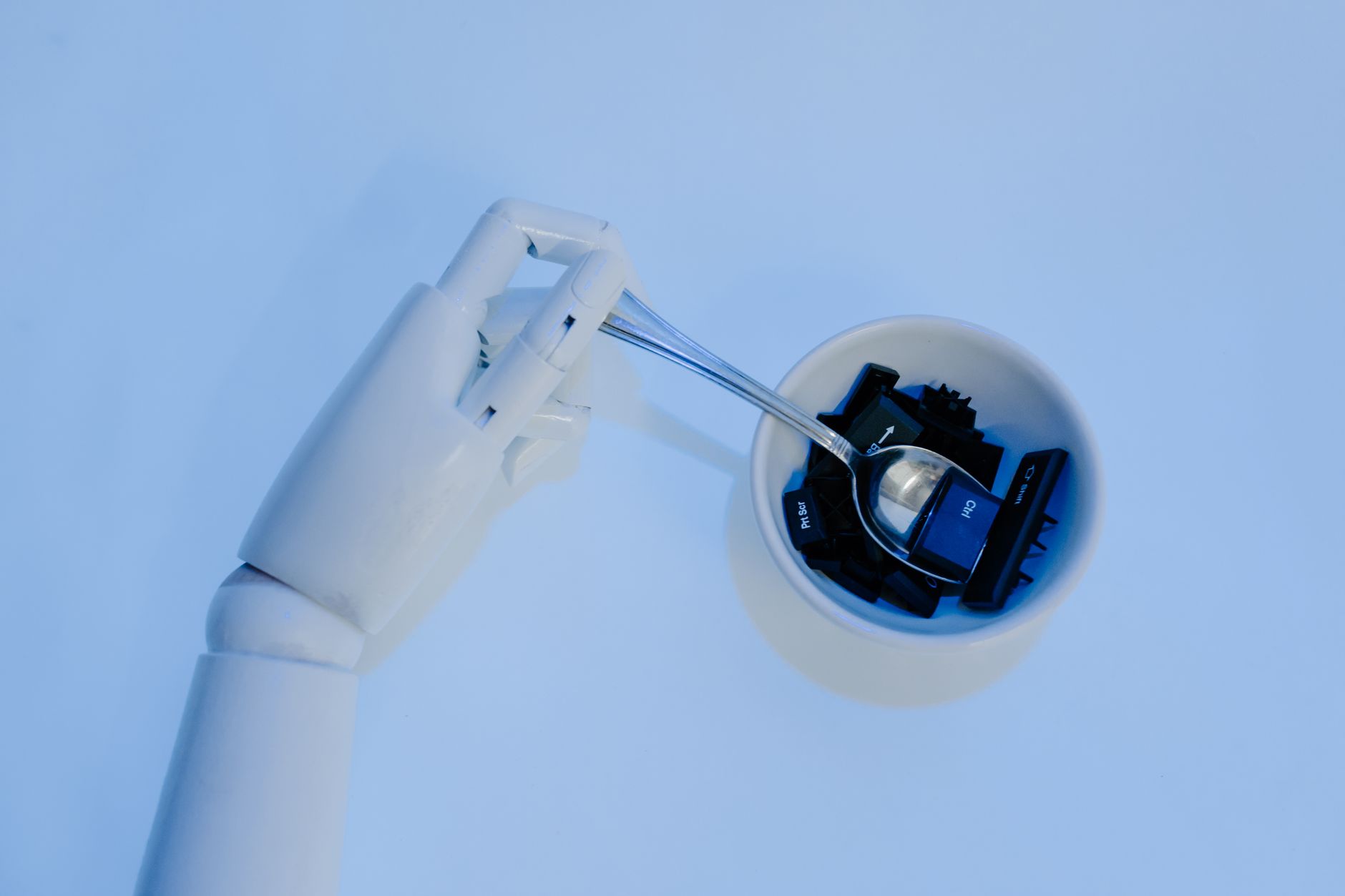
Web Summit Lisbon 2026 closed its doors after drawing 70,003 attendees from 164 countries, alongside 1,943 venture investors and more than 10,000 startups, according to official conference figures published at the event close. Beyond the sheer scale of the gathering, the four-day convention revealed a fundamental realignment across global technology hubs. Humanoid robots took the stage as official speakers for the first time, symbolizing a clear break from traditional software keynotes. The main stages were dominated by discussions on autonomous systems, hardware execution, and deeptech infrastructure rather than generic cloud tools. This transition marks the end of an era dominated by superficial software layers, signaling that the next wave of venture creation must interface directly with real-world operations.
The atmosphere in Lisbon underscored a sharp recalibration in how institutional capital evaluates early-stage risk. For years, European founders relied on predictable software-as-a-service playbooks to secure seed and Series A rounds from regional funds. Today, venture capital partners in attendance made it plain that generic enterprise software is no longer a viable thesis for outsized returns. Enterprise buyers are actively consolidating vendor lists and cutting redundant software subscriptions, leaving thin workflow applications exposed to rising churn. In response, venture firms are reallocating capital toward defensive hardtech, physical robotics, and deeptech research projects that offer genuine technological moats. The mandate for founders in 2026 requires building defensible physical systems rather than selling another digital dashboard.
Data presented at the conference highlighted both the historical success of early-stage entrants and the changing criteria for future winners. PitchBook announced new mechanisms to streamline early fundraising at the event, pointing out that historical winners of the summit PITCH competition have raised over 1.5 billion dollars since 2013. However, the profiles of featured startups this year diverged sharply from past cohorts. Emerging platforms like GetVocal AI, Polygraf AI, and Melious AI showcased autonomous agents capable of independent execution across enterprise workflows. Executives from established infrastructure giants like Atlassian, Datadog, and Replit noted that enterprise buyers are demanding autonomous execution over human-operated software interfaces. The shift reflects a market that prizes automated work output over digital tools that simply display data.
The strategic implications of this shift extend across the entire global startup ecosystem. Founders currently preparing pitch decks must demonstrate either direct physical integration or autonomous execution to command top-tier valuations. Capital efficiency is no longer measured solely by customer acquisition costs, but by the tangible operational value an autonomous agent delivers to end users. Venture capital funds, having spent two years digesting inflated software valuations, are demanding higher engineering rigor and hardware defensibility. European tech ecosystems in particular stand at a turning point, as regional policymakers and investors align behind deeptech manufacturing, green hardware, and autonomous robotics to counter competition from overseas markets. Founders unable to pivot away from legacy SaaS risk finding their addressable markets shrinking.
The next twelve months will witness a rapid reallocation of private capital toward physical artificial intelligence and sovereign hardware infrastructure. Expect late-stage venture capital firms to aggressively court hardware-software hybrid startups while legacy enterprise software multiples continue to normalize downward. The market will see an influx of specialized autonomous agents replacing human-in-the-loop software products across logistics, manufacturing, and back-office management. Early-stage accelerators will pivot their core curricula to emphasize deeptech engineering and hardware supply chain resilience over growth marketing tactics. Web Summit 2026 proved that the software-only decade has drawn to a close, leaving physical automation as the central battleground for technology leaders.
 The Future FrontBe on the cover.Twice a month we put the people shaping what's next on our cover.Apply for the cover