Warehouse Robotics Faces Its Performance Reckoning
Buyers are done with polished demos. In 2026, warehouse robotics vendors must prove their systems work in the real world, or lose the contract.
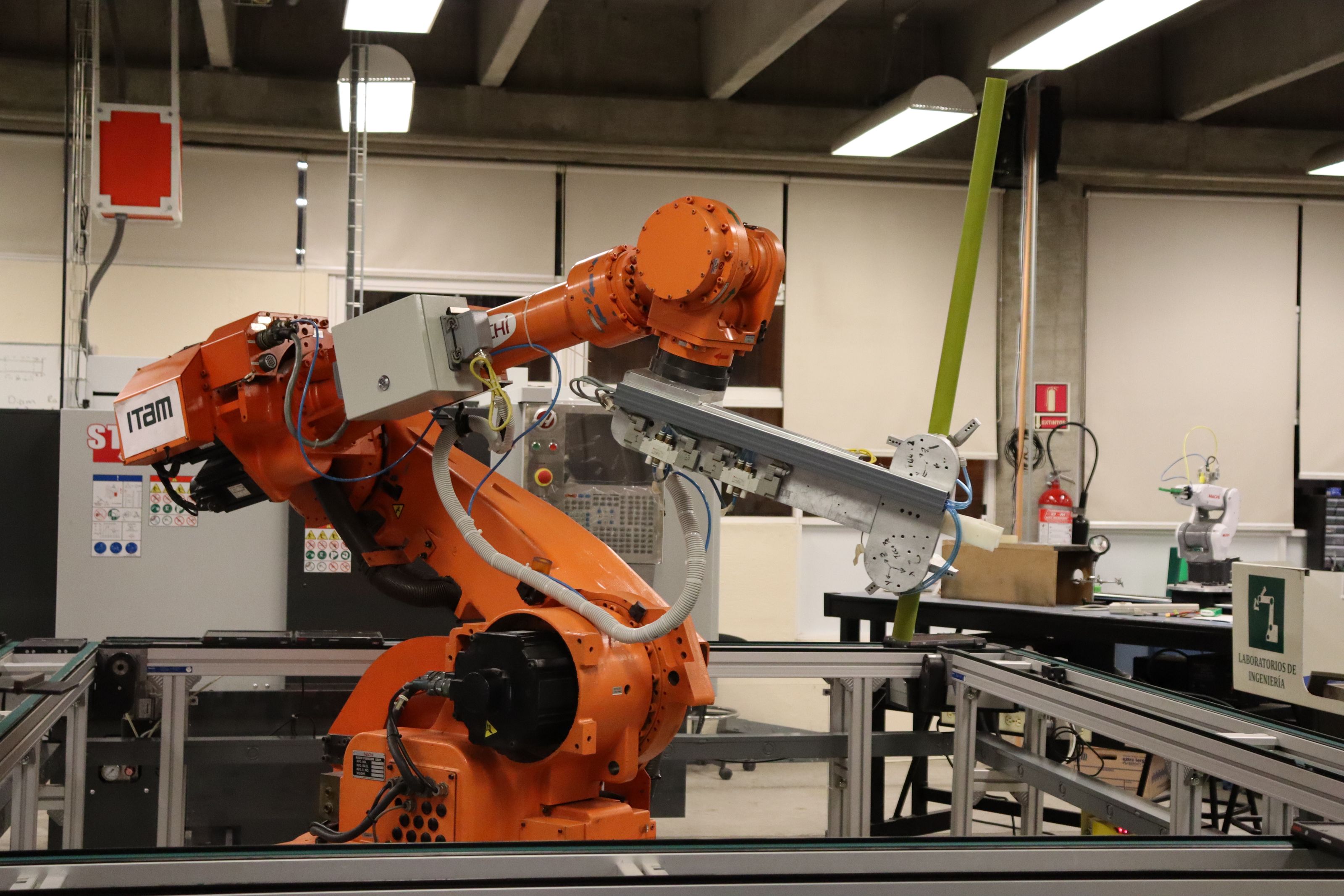
The warehouse robotics market is entering a phase that separates real businesses from funded science projects. Procurement teams, burned by pilots that never scaled, are now demanding validated proof that robots can handle damaged packaging, inconsistent lighting, and irregular materials, not just a choreographed demo on a clean factory floor. The edited video reel is no longer enough. Enterprise buyers are writing reliability clauses into contracts, and vendors without the QA infrastructure to back them up are about to find out what that costs.
This shift has been building for years, but 2026 is the inflection point where buyer behavior actually changes. Automation has moved from experimental to operational at enough major warehouses that the people writing the checks now have institutional memory of what failure looks like at scale. They have seen robots stall on a non-standard box at 2 a.m. and take a fulfilment line down with them. That experience has fundamentally changed how procurement evaluates vendors, pushing quality benchmarks from a nice-to-have to a hard gate in the sales process.
The standards tightening in real time are specific and unforgiving. Warehouses want documented failure modes, defined service recovery windows, and demonstrated performance under the kind of edge cases that controlled demos deliberately avoid. Runtime validation, monitoring software behavior while systems are live rather than just before deployment, is emerging as a baseline expectation, not a premium feature. As one industry analysis put it, "warehouses are demanding clearer proof that systems work as intended under real-world conditions," including clarity on how fast a system recovers when something goes wrong. Human oversight is not disappearing from this picture either. Analysts note that "AI in warehouses is changing the roles humans play, but it isn't replacing them," with people still handling exceptions, higher-order inspections, and process oversight, making human-robot workflow integration a core part of any credible reliability story.
For investors, this is a due diligence recalibration, not a panic signal. The market is maturing, and maturation rewards companies that built properly. The ventures that chased deployment speed over durability, that prioritized units shipped over mean time between failures, are the ones exposed. The durable businesses in this space have invested in QA infrastructure, in testing pipelines that simulate real warehouse chaos, and in the network reliability, including Wi-Fi 6 and beyond, that production-grade robotics actually requires. Those companies are about to look very different from their underprepared competitors on a term sheet.
Over the next twelve months, expect consolidation to accelerate sharply as enterprise contracts cluster around a smaller group of vendors who can clear the new reliability bar. Founders still in growth mode need to treat QA investment as a revenue function, not an engineering overhead. The buyers are already writing the new standards. The only question is which robotics companies helped write them, and which ones are learning about them from a lost RFP.
 The Future FrontBe on the cover.Twice a month we put the people shaping what's next on our cover.Apply for the cover




