The US Clean Energy Boom That Policy Can't Stop
The US is set to add 86 gigawatts of clean energy in 2026, and the forces driving it have nothing to do with Washington.
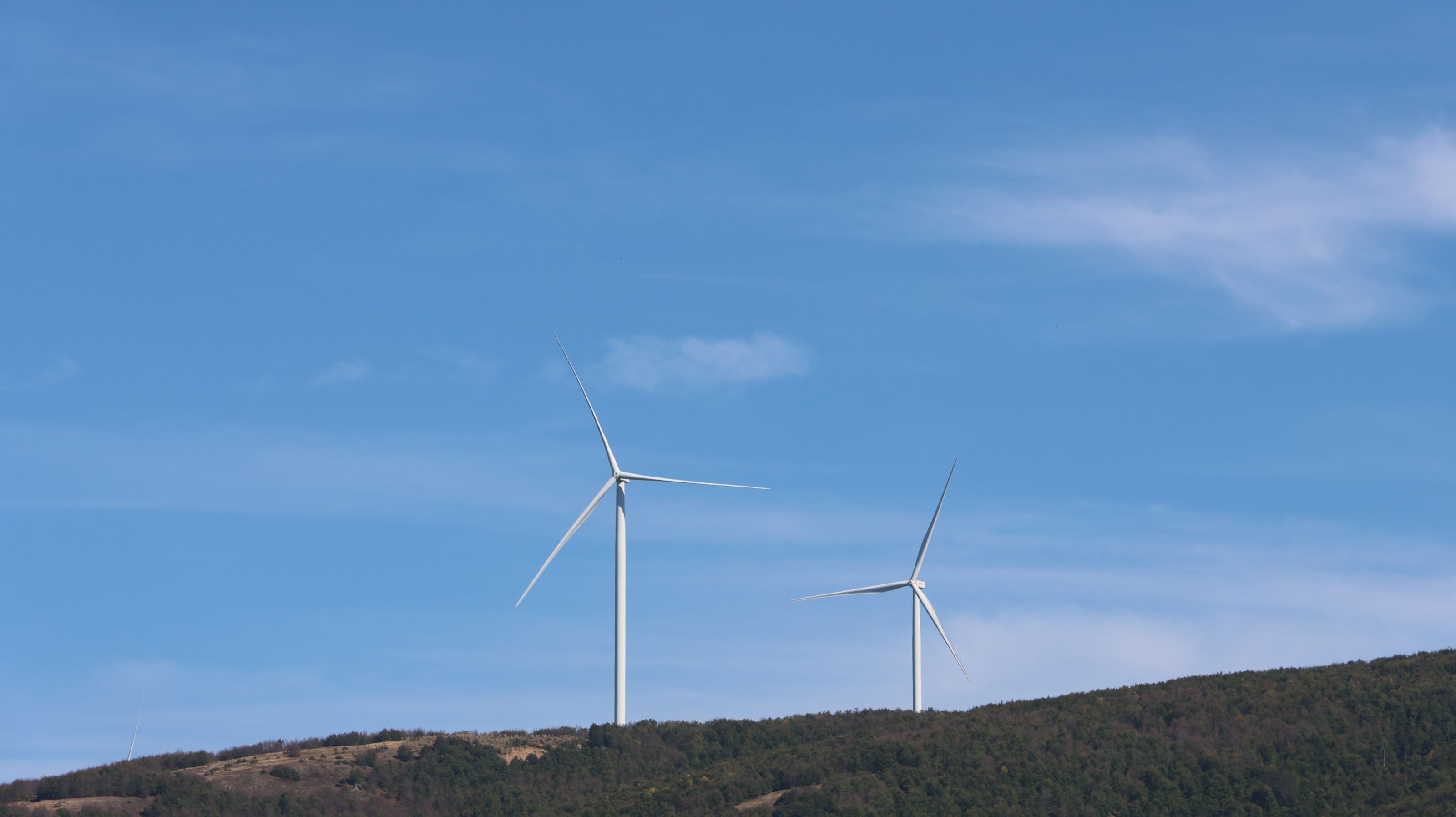
The US power grid is undergoing its fastest transformation on record, and the numbers are hard to dismiss. According to the U.S. Energy Information Administration's Preliminary Monthly Electric Generator Inventory, developers and operators plan to bring 86 gigawatts of new utility-scale capacity online in 2026. That figure obliterates the previous single-year record of 53 gigawatts added in 2025, itself the largest build-out since 2002. Ninety-three percent of that incoming capacity comes from solar, wind, and battery storage.
What makes this remarkable is the context it sits in. Federal policy has been anything but a tailwind for renewables in 2026. Permitting friction, subsidy uncertainty, and shifting regulatory signals have all given investors reason to pause. Yet the pipeline has not just held, it has accelerated. That tells you something important: market economics and state-level mandates have become the primary engine of clean energy deployment, not federal incentives. When growth persists despite headwinds, you are looking at structural demand, not a policy bubble.
The composition of the 86 gigawatts reveals where capital is concentrating. Solar leads at roughly 51% of new additions, cementing its status as the default generation technology for developers chasing speed and cost efficiency. Battery storage accounts for 28%, a figure that signals the industry has moved past the chicken-and-egg problem that plagued grid-scale storage for years. Wind contributes 14%, anchored by headline projects like SunZia in New Mexico, which will become the largest onshore wind facility in the country once complete. These are not experimental installations. They are commercial-scale deployments with contracted offtake.
For founders and investors, the 86 gigawatt figure is less a celebration and more a pressure test. Adding that much capacity in a single year strains every adjacent system: transmission interconnection queues, substation equipment supply chains, project finance structures, and grid software capable of managing variable generation at scale. The bottlenecks are where the real opportunity sits right now. Companies solving interconnection timelines, grid-edge storage orchestration, or automated permitting workflows are not working on future problems. They are working on problems that are actively delaying billions in deployed capital today.
Over the next twelve months, the pressure on infrastructure is only going to intensify. If 2026 closes anywhere near its projections, developers will enter 2027 planning cycles with even larger pipelines and even less slack in the supply chain. Transmission will be the defining constraint, and startups or funds that have not positioned around grid infrastructure will find themselves chasing a crowded trade. The record is not the story. What gets built around the record is.
 The Future FrontBe on the cover.Twice a month we put the people shaping what's next on our cover.Apply for the cover




