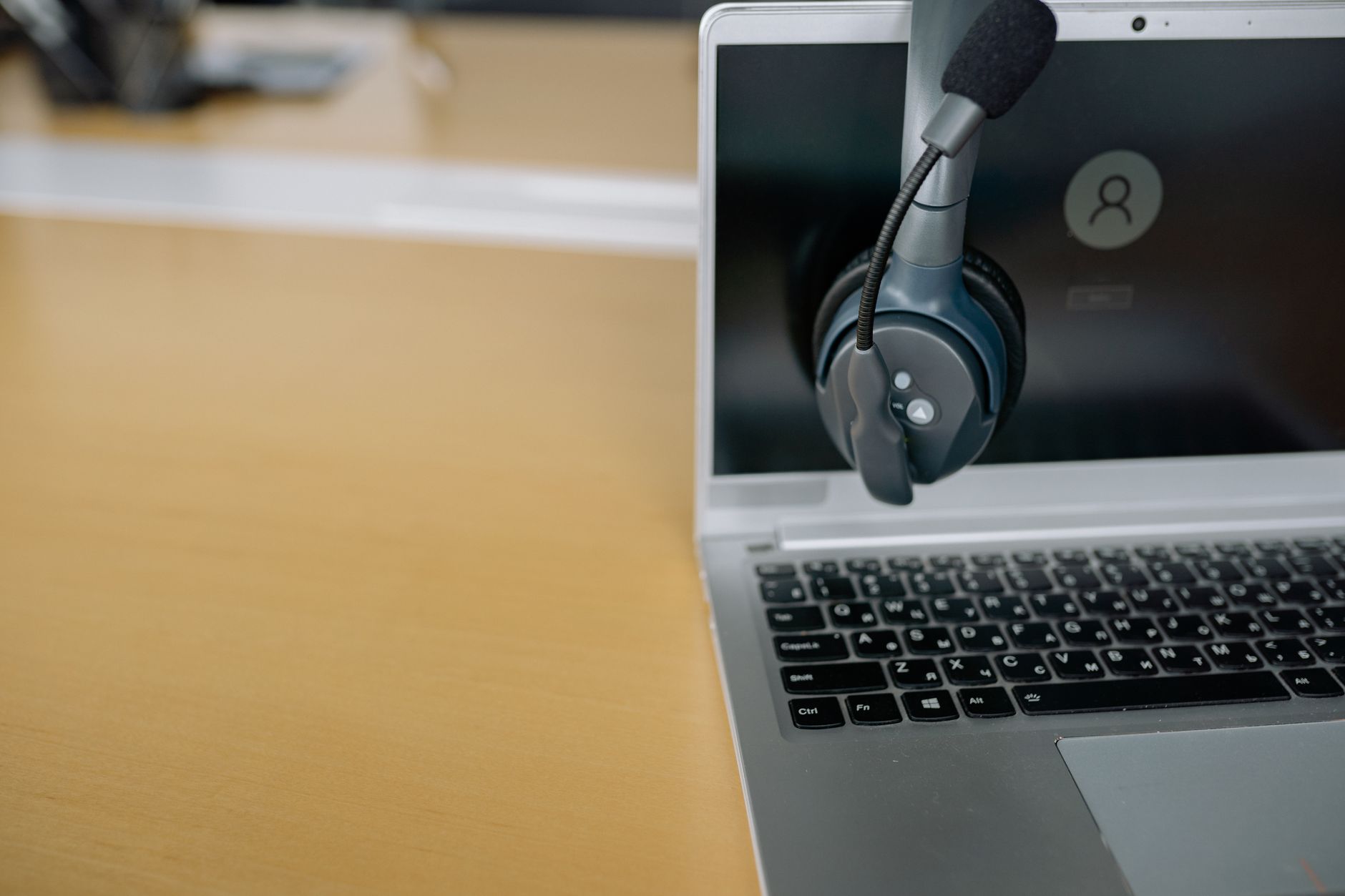
The RTO Wars Are Over and the Office Lost
With remote work permanently locked at nearly a quarter of all U.S. workdays, founders must stop fighting reality and start building for it.

Remote work is no longer a lingering pandemic habit or a temporary concession to employees. Fresh labor data reveals that remote work has permanently stabilized at 23.7 percent of all U.S. workdays. Despite aggressive return-to-office campaigns from corporate giants, the needle has stopped moving. The dream of a complete five-day office week is officially dead, replaced by a permanent distributed equilibrium that companies can no longer afford to treat as a temporary phase.
This stabilization comes after years of heavy-handed executive mandates. Nearly 61 percent of U.S. companies now enforce formal return-to-office policies, citing collaboration and productivity as their primary drivers. Yet, these top-down demands are failing to claw back lost office hours because the workforce has already adapted to autonomy. Approximately 48 percent of remote employees view these mandates as mere micromanagement rather than legitimate operational improvements, creating a cultural friction that threatens retention.
The real driver of this permanent shift is not worker stubbornness, but a quiet technological transformation. Today, 54 percent of distributed employees are actively using artificial intelligence tools to optimize their daily workflows. Instead of relying on physical proximity for collaboration, teams are using automated systems to bridge synchronous communication gaps. Research shows that 37 percent of these workers would gladly work from another country if permitted, illustrating how detached the modern workforce has become from physical office buildings.
For founders and venture capitalists, this structural shift demands a complete reallocation of resources. Continuing to lease expensive commercial real estate while hoping for a cultural reversal is a waste of precious capital. Winning startups will be those that build for a decentralized world, investing in secure, asynchronous infrastructure rather than physical lobbies. Investors must evaluate companies not by their physical footprint or desk occupancy, but by their ability to ship product across time zones.
Over the next twelve months, the line between remote and local work will blur entirely as AI-driven automation matures. We will see the emergence of autonomous operations platforms that make physical presence completely obsolete for knowledge workers. Companies that continue to fight this evolution with rigid physical attendance policies will lose their best technical talent to agile competitors. The winners of the next decade are already designing their organizations to be digital-first, treating physical space as an occasional luxury rather than an operational necessity.
 The Future FrontBe on the cover.Twice a month we put the people shaping what's next on our cover.Apply for the cover