The Guerrilla Solar Era Has Arrived
Plug-in solar panels need no installer, no permit, and no utility blessing. That changes everything for who gets to join the energy transition.
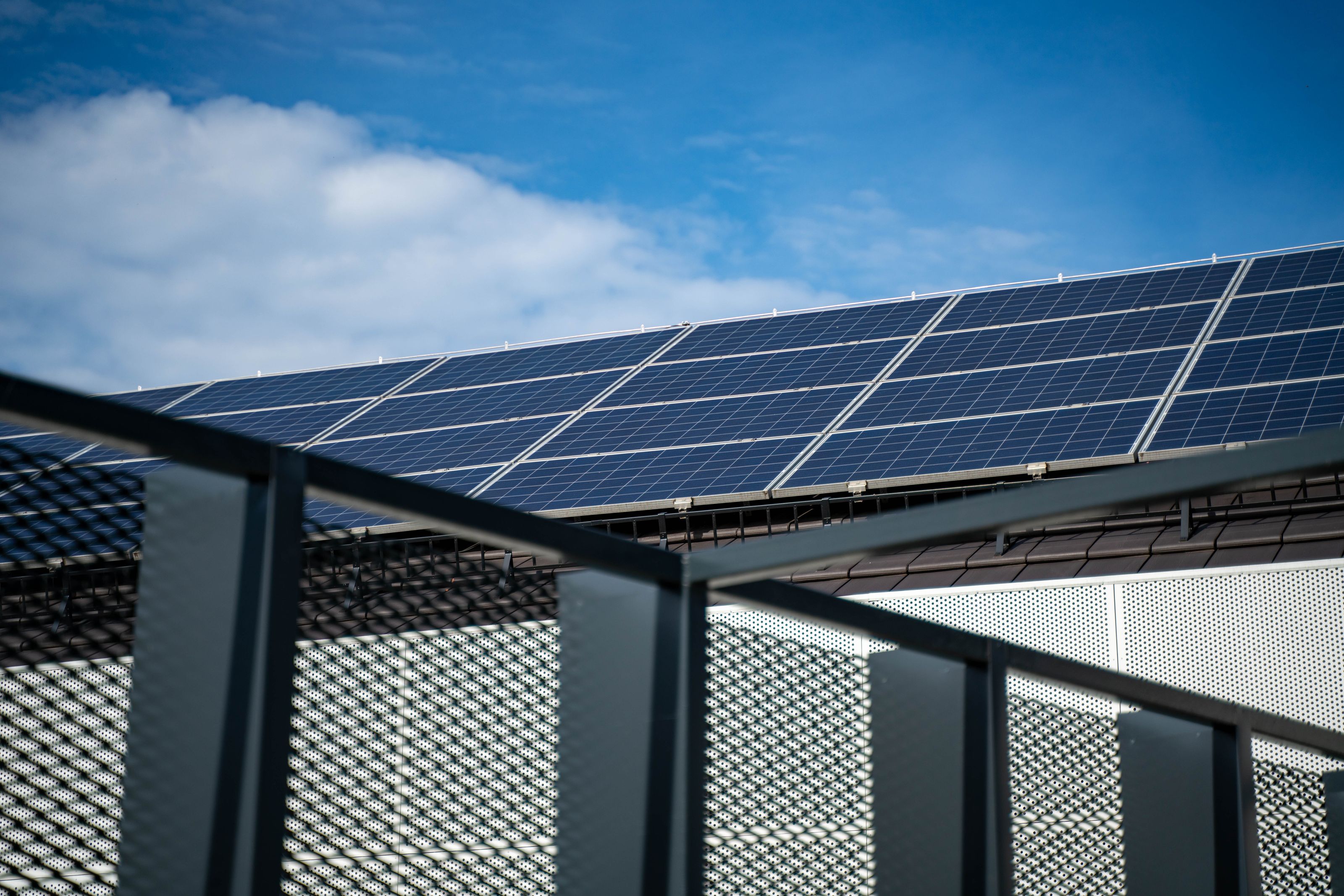
The global balcony solar panel market was valued at $3.8 billion in 2025 and is projected to hit $14.2 billion by 2034, growing at a CAGR of 15.8%. That growth is not being driven by utilities or large-scale developers. It is being driven by renters plugging panels into wall outlets and quietly defecting from the grid, one apartment at a time. Call it guerrilla solar: low-cost, self-installed, and completely outside the permission structures that have historically gatekept clean energy adoption.
The concept is straightforward. A small array of solar panels paired with a microinverter plugs directly into a standard household outlet, feeding electricity into a home without utility interconnection approval, permits, or a licensed electrician. The trend took root in Germany, where supportive regulation and sky-high electricity prices created the perfect conditions, before spreading across Europe and into early US markets. Over 55% of consumers surveyed cite lower electricity costs as their primary motivation, which means this is less an ideological movement than a rational economic response to energy inflation.
What makes this moment strategically significant is not the technology itself, which is mature, but the distribution unlock. Traditional rooftop solar has always been a homeowner product: capital-intensive, installer-dependent, and inaccessible to the roughly 35% of US households that rent. Plug-in solar collapses that barrier entirely. A renter in a third-floor apartment can now participate in the energy transition for under $500, without landlord sign-off in many jurisdictions. That is a fundamentally new customer segment, and it is largely unserved by incumbent solar companies whose entire go-to-market is built around ownership and installation.
For founders and hardware investors, the opportunity is layered. The obvious play is in the devices themselves, a market projected to reach $7.02 billion by 2035 according to separate market sizing. But the more durable businesses may emerge in adjacent layers: financing products tailored to renters, software that aggregates distributed plug-in generation into virtual power plants, and platforms that help building owners offer solar as an amenity to attract tenants. The incumbents in residential solar are not well-positioned for any of this. Their sales motion, their financing structures, and their installer networks are all calibrated for a different customer.
The next twelve months will stress-test whether the US regulatory environment can keep pace with consumer behavior. Several states are already drafting plug-in solar standards, and the outcome of those rule-makings will either accelerate or stall domestic adoption significantly. In Europe, the trajectory is largely set. In the US, the window for early hardware and platform founders to establish position is open, but it is not permanent. Utilities will eventually push back, regulators will eventually weigh in, and the distribution advantage that makes guerrilla solar so compelling today will either get codified into law or legislated away. Founders who move in the next year will be building on the right side of that decision.
 The Future FrontBe on the cover.Twice a month we put the people shaping what's next on our cover.Apply for the cover