The Grid Is Choking on Free Solar Power
Solar is set to overtake coal within six years, but the real venture opportunity lies in the software fixing our overloaded grids.
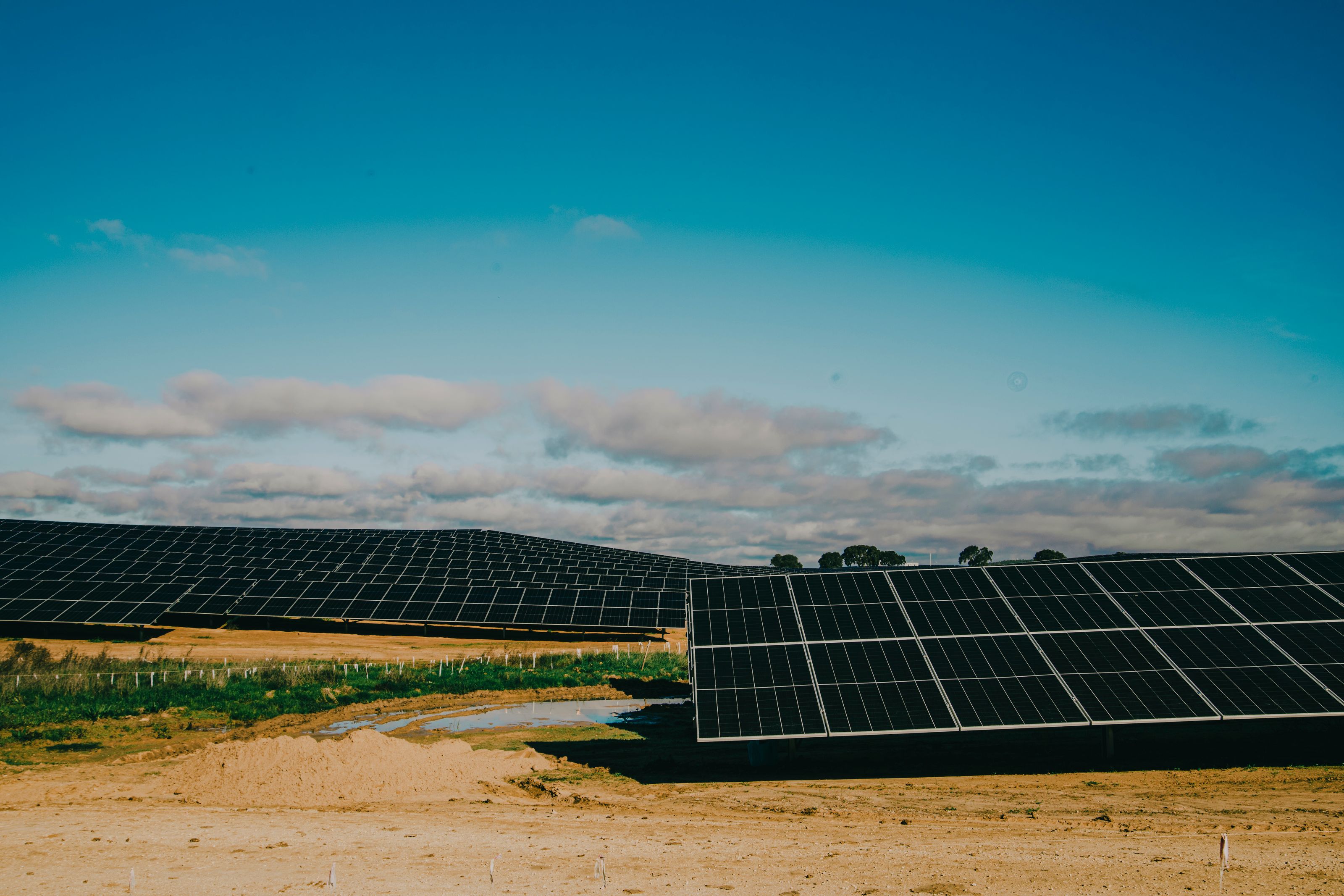
Solar energy is officially on track to dethrone coal as the world's leading source of electricity within the next six years. According to the latest energy transition outlook from BloombergNEF, this shift is accelerating despite a minor plateau in new installations this year. The era of cheap, abundant daytime power has arrived, but it comes with a massive catch. The physical infrastructure built for steady fossil fuels is utterly unprepared for the violent swings of solar generation.
For the past decade, climate tech investing was dominated by hardware scaling, driving the cost of photovoltaic panels down to historic lows. Now that solar is the cheapest source of new power globally, the bottleneck has shifted from generation to integration. Grid operators are increasingly forced to curtail, or waste, clean energy because transmission lines cannot handle the surge. This structural imbalance is turning the energy transition into an orchestration challenge rather than a manufacturing one.
BloombergNEF's modeling indicates that the global transition is entering a demand-driven phase where storage and orchestration are non-negotiable. At the same time, the global energy storage market has surged past the 100-gigawatt milestone, demonstrating that developers are racing to buffer the grid. Software startups are finding a gold rush in virtual power plants, automated demand response, and predictive curtailment mitigation. These technologies are no longer optional luxuries but critical infrastructure required to keep the lights on during peak demand.
For venture capitalists, the investment thesis for decarbonization has fundamentally flipped. Capital is fleeing capital-intensive panel manufacturing, where margins have been commoditized to zero, and pouring into grid-edge intelligence. Founders who build the software layer to coordinate millions of distributed batteries, heat pumps, and electric vehicles will capture the next wave of energy wealth. The future giants of climate tech will look less like heavy industrial manufacturers and more like enterprise SaaS companies managing complex, real-time logistics.
Over the next twelve months, expect a wave of regulatory reforms to unlock massive utility budgets for digital upgrades. Early-stage startups specializing in machine learning for grid congestion and localized storage management will see unprecedented deal flow. We will also witness the first major deployments of artificial intelligence agents managing real-time power trading at the municipal level. The solar revolution is no longer about building more panels, but about writing the code to survive them.
 The Future FrontBe on the cover.Twice a month we put the people shaping what's next on our cover.Apply for the cover




