The Grid is 91 Percent Solar and Batteries Now
Solar and energy storage accounted for a staggering 91 percent of all new US utility-scale capacity additions in the first quarter of 2026.
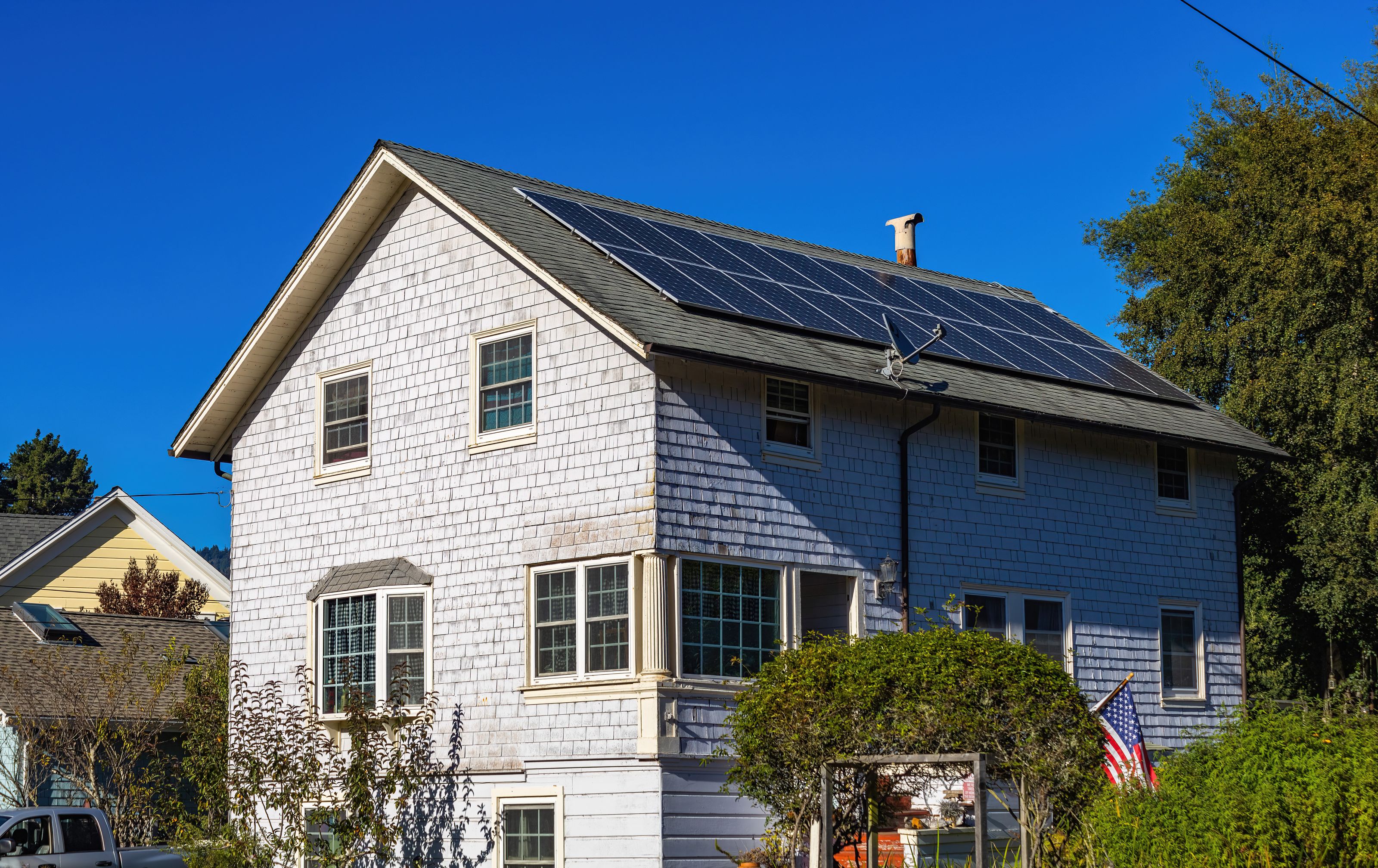
The debate over whether clean energy can anchor the modern grid is officially over. In the first quarter of 2026, solar and energy storage accounted for an unprecedented 91 percent of all new utility-scale electricity generation capacity added to the US grid. According to the Solar Energy Industries Association, developers deployed 7.8 gigawatts of new solar capacity during this three-month window alone, pushing the nation past 6 million cumulative installations. This is no longer a gradual transition, but an absolute takeover of the power sector.
This massive scaling is the direct result of plummeting battery costs and mature supply chains, supercharged by long-term incentives from the Inflation Reduction Act. Utilities and private developers are no longer building fossil-fuel plants because the economics of combined solar-and-storage facilities have become unbeatable. The US Energy Information Administration projects a record 86 gigawatts of utility-scale capacity will be added to the grid by the end of 2026, more than doubling the pace of previous decades. In this new market reality, legacy fossil fuels are struggling to justify their capital expenditures.
The physical scale of this deployment is staggering. Of the planned 86 gigawatts of new capacity for 2026, solar is projected to account for 51 percent, or 43.4 gigawatts, while battery storage is set to claim the second-largest share. Storage alone saw a record 9.7 gigawatt-hours installed in the first quarter of the year. This rapid influx of intermittent assets is fundamentally changing the physics of grid management, forcing utility operators to adapt to supply curves that shift by the minute.
For founders and venture capitalists, this clean energy surge creates a secondary gold rush in grid-enhancing software. Hardware deployment has outpaced the digital infrastructure required to manage it, leaving a massive bottleneck in transmission and distribution. Startups specializing in virtual power plants, automated demand response, and predictive battery orchestration are suddenly holding the keys to grid stability. The real value is shifting from the physical panels and lithium cells to the intelligent software layers that keep them synchronized.
Over the next twelve months, expect a wave of consolidation and intense funding activity in the grid software ecosystem as legacy utilities scramble for digital tools. Federal regulators will face intense pressure to fast-track interconnection queues, which currently hold gigawatts of clean power waiting to be plugged in. The startups that can successfully orchestrate decentralized energy assets will become the next generation of energy giants. The hardware transition is already locked in, and the software race has officially begun.
 The Future FrontBe on the cover.Twice a month we put the people shaping what's next on our cover.Apply for the cover




