The Detroit Era of Robotics Is Over
As robot orders hold steady at 9,055 units, a massive 55.6 percent surge in cobots proves automation is leaving the auto plant for good.
North American companies ordered exactly 9,055 industrial robots valued at $543 million in the first quarter of 2026, marking a virtually flat 0.1 percent decline in units year-over-year. While aggregate spending fell slightly by 6.4 percent, the baseline volume reveals a market that has officially decoupled from its historic reliance on automotive assembly lines. This stabilization during a period of macroeconomic hesitation indicates that automation capital expenditure is no longer a discretionary luxury. Instead, it has become a structural necessity for modern corporate survival.
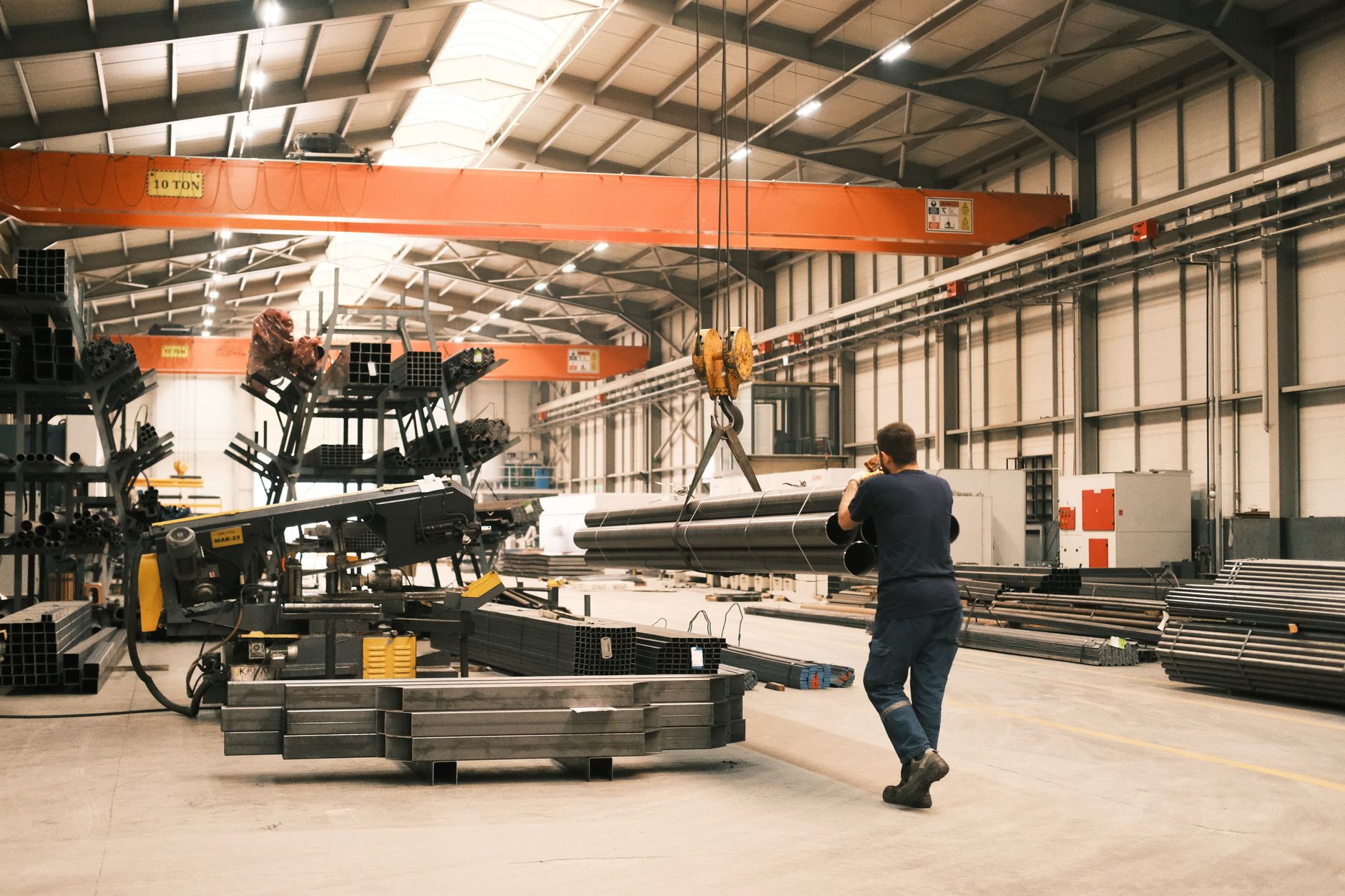
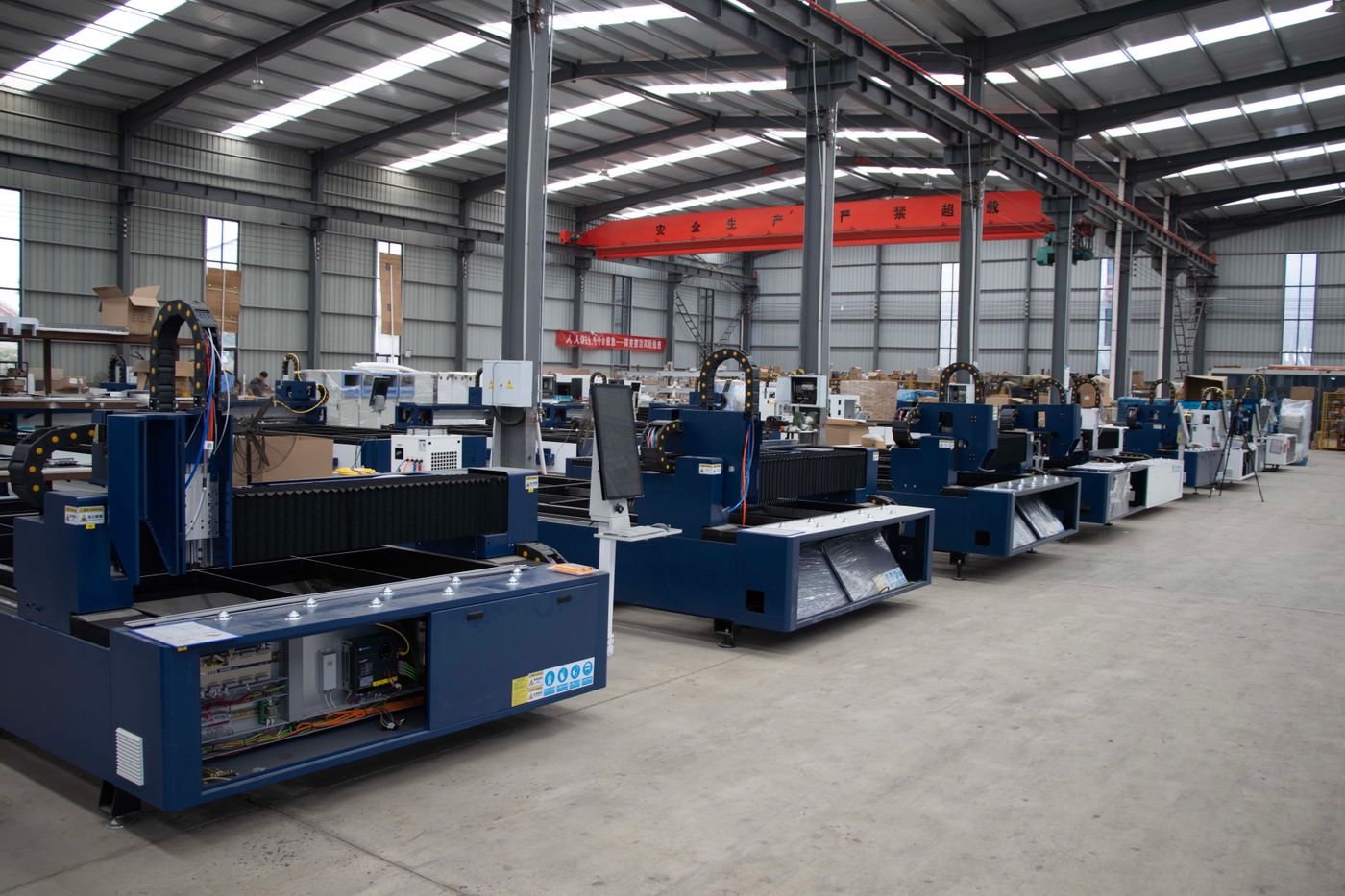
For decades, the health of the robotics sector lived and died by Detroit's capital cycles. When automakers paused factory retooling, the entire robotics supply chain caught a cold. Today, that vulnerability is evaporating as a highly diversified customer base steps in to absorb excess manufacturing capacity. Food processing, life sciences, and consumer electronics are rapidly scaling their deployments, permanently shifting the center of gravity away from legacy automotive OEMs.
The most telling indicator of this structural shift is the explosive rise of collaborative robots, or cobots, designed to work alongside human operators. Cobot orders surged by 55.6 percent to reach 1,637 units in the first quarter of 2026, now commanding more than 18 percent of the entire robotics market. At the same time, companies like Nauticus Robotics are advancing next-generation electric manipulators that autonomously map and recognize complex workspaces. These technologies bypass the expensive, rigid programming that previously locked smaller enterprises out of automation.
For hardware founders and venture capitalists, this diversification redraws the map of addressable markets. Startups no longer need to land multi-million dollar contracts with legacy auto giants to achieve viable scale. Instead, the immediate opportunity lies in building specialized, highly adaptable software layers for smaller factories that require flexible automation. Investors who previously avoided robotics due to long sales cycles and heavy capital requirements are starting to treat the sector more like software, driven by rapid deployment timelines.
Over the next twelve months, the industry will see a wave of consolidation as legacy robotics firms acquire nimble software startups to upgrade their aging platforms. Hardware will increasingly become a commoditized vehicle for sophisticated AI perception models. Factories will transition from static automation to dynamic, self-configuring environments that can pivot production lines in hours rather than weeks. The companies that dominate this next era will not be those building the heaviest arms, but those writing the smartest code.
 The Future FrontBe on the cover.Twice a month we put the people shaping what's next on our cover.Apply for the cover