The Death of the Robotics Demo Video
As the robotics market undergoes a brutal shakeout, the era of viral humanoid demos is giving way to applied physical AI with real-world ROI.

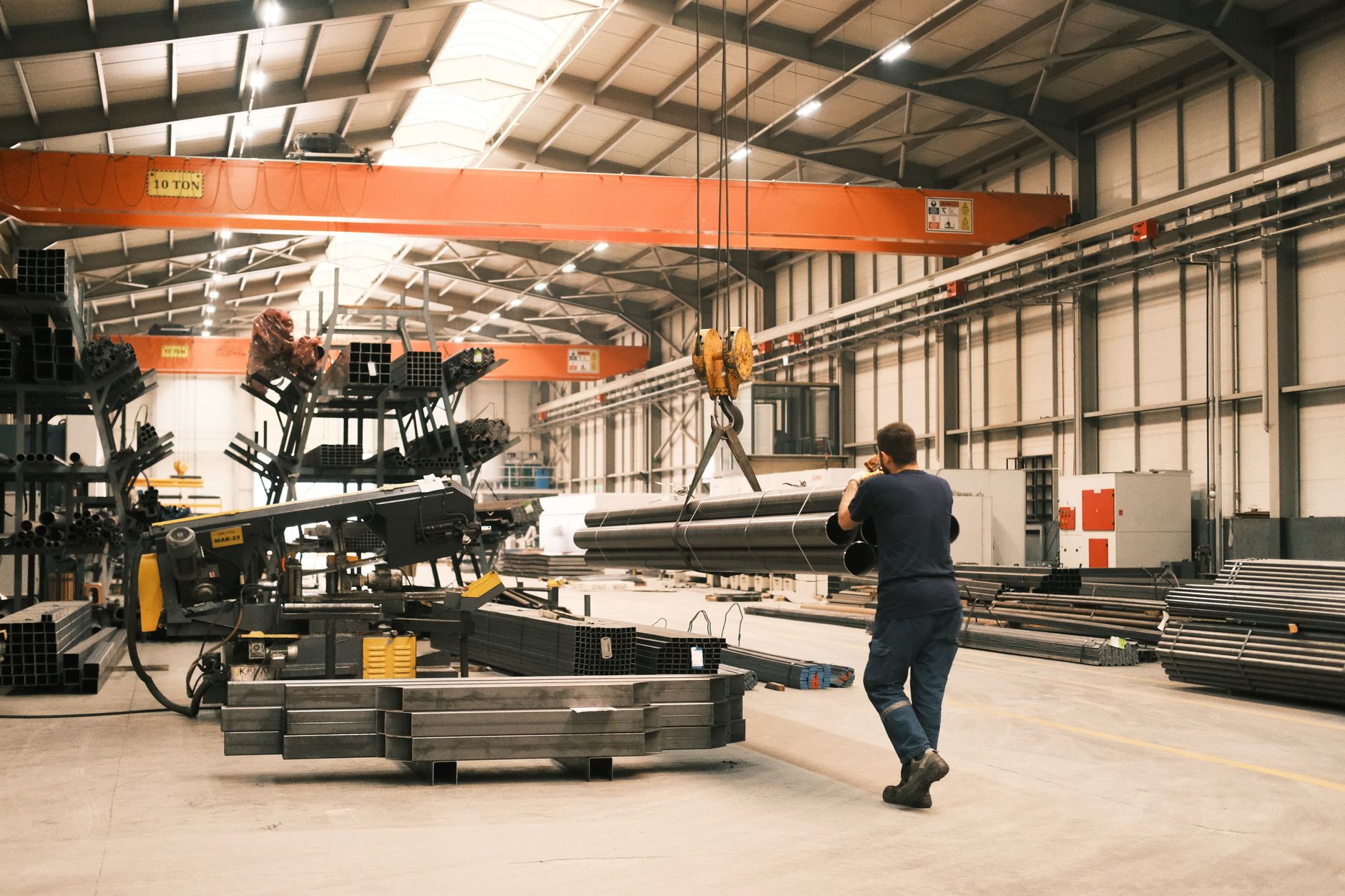
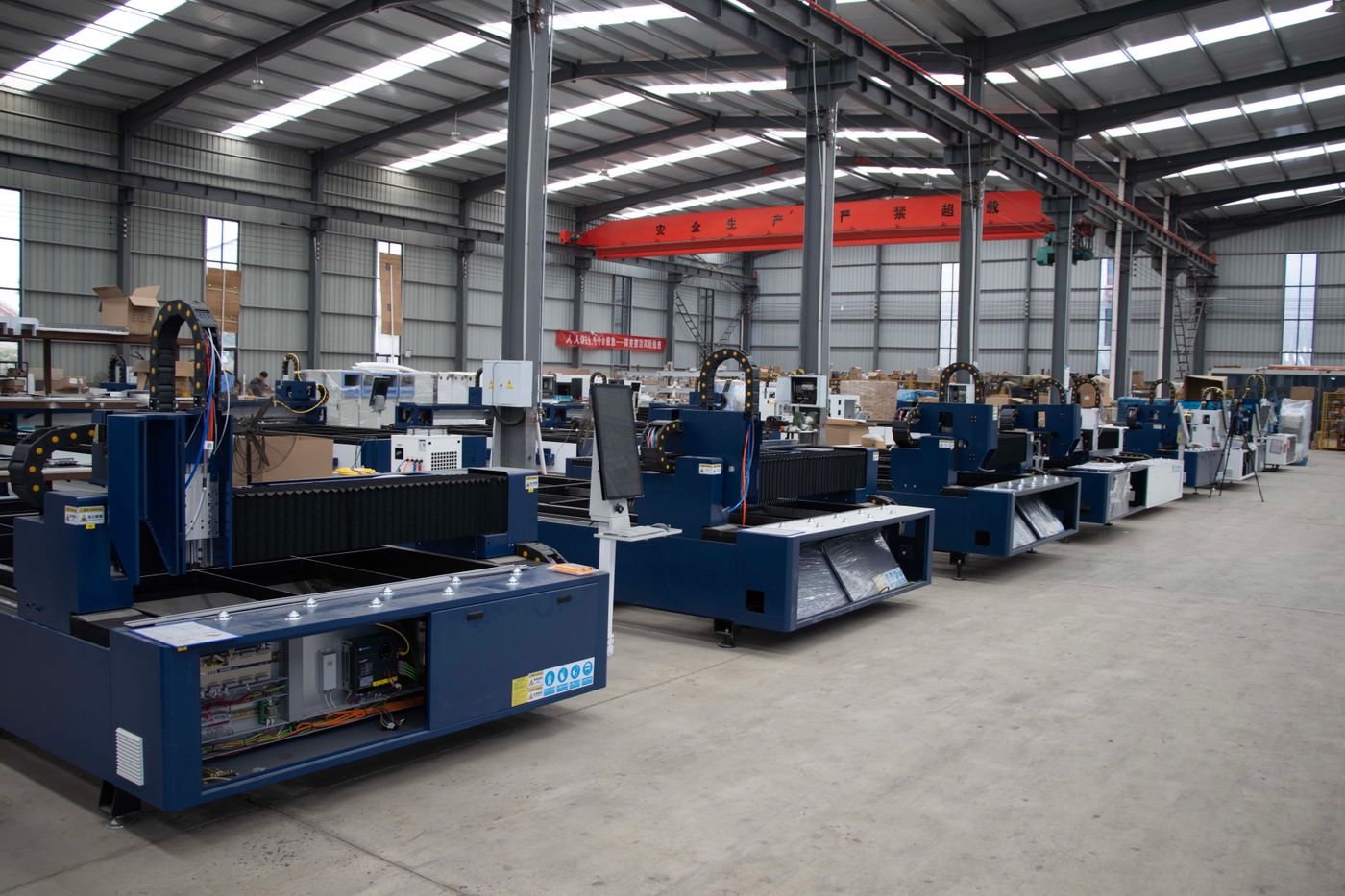
The era of the viral humanoid robotics demo is officially over. As National Robotics Week 2026 highlights a major industry-wide shakeout, the global market value of industrial robot installations has climbed to an all-time high of 16.7 billion dollars. Yet behind this record-setting capital expenditure lies a brutal weeding out of startups that relied solely on simulated proof-of-concept videos. Investors are no longer funding hardware companies that cannot prove immediate, repeatable deployment capabilities on actual factory floors.
This transition marks the critical pivot point where robotics enters its applied physical AI phase. For years, the industry operated in a state analogous to early large language models, showcasing impressive laboratory generalization that crumbled under real-world unpredictability. Today, the primary differentiator is no longer how well a robot can mimic human hands in a controlled studio, but how seamlessly its software integrates into high-mix manufacturing environments. Hardware has become a commodity, while the proprietary software stack that drives autonomous adaptation has become the ultimate prize.
Data from the State of Robotics 2026 report indicates that capital is rapidly consolidating around vertically integrated players prioritizing energy-efficient designs and vertical-specific deployments. Industry insiders note that robotics is currently undergoing its GPT-2.5 moment, where scaling laws are beginning to show up in physical data, but the gap between lab demos and factory production remains wide. Startups that focus on narrow, high-value tasks are securing late-stage funding, while those pursuing general-purpose humanoids without immediate use cases are quietly shuttering.
For founders and venture capitalists, survival now dictates abandoning the hardware-first hype cycle. Building a successful robotics company in this climate requires treating physical AI as a software deployment problem rather than an engineering novelty. Margins are no longer driven by selling heavy machinery, but by licensing the intelligence that keeps those machines running through shifts without human intervention. Investors are demanding clear metrics on mean time between failures and deployment speed, raising the barrier to entry for early-stage teams.
Over the next twelve months, expect a wave of fire sales and consolidations as cash-strapped hardware startups fail to bridge the deployment gap. The companies that survive will be those that successfully commercialize physical AI models capable of zero-shot learning on the assembly line. We will see the first true production-scale deployments of multi-modal physical AI, transforming factories from automated assembly lines into highly adaptive, self-optimizing ecosystems. The winners of this shakeout will not be the ones with the most watched YouTube videos, but the ones quietly running three-shift operations.
 The Future FrontBe on the cover.Twice a month we put the people shaping what's next on our cover.Apply for the cover