The Clean Energy Juggernaut No Tariff Can Stop
Geopolitics are fracturing, but clean energy is still on track to add 4.5 terawatts by 2030. Here is where the smart money is moving next.
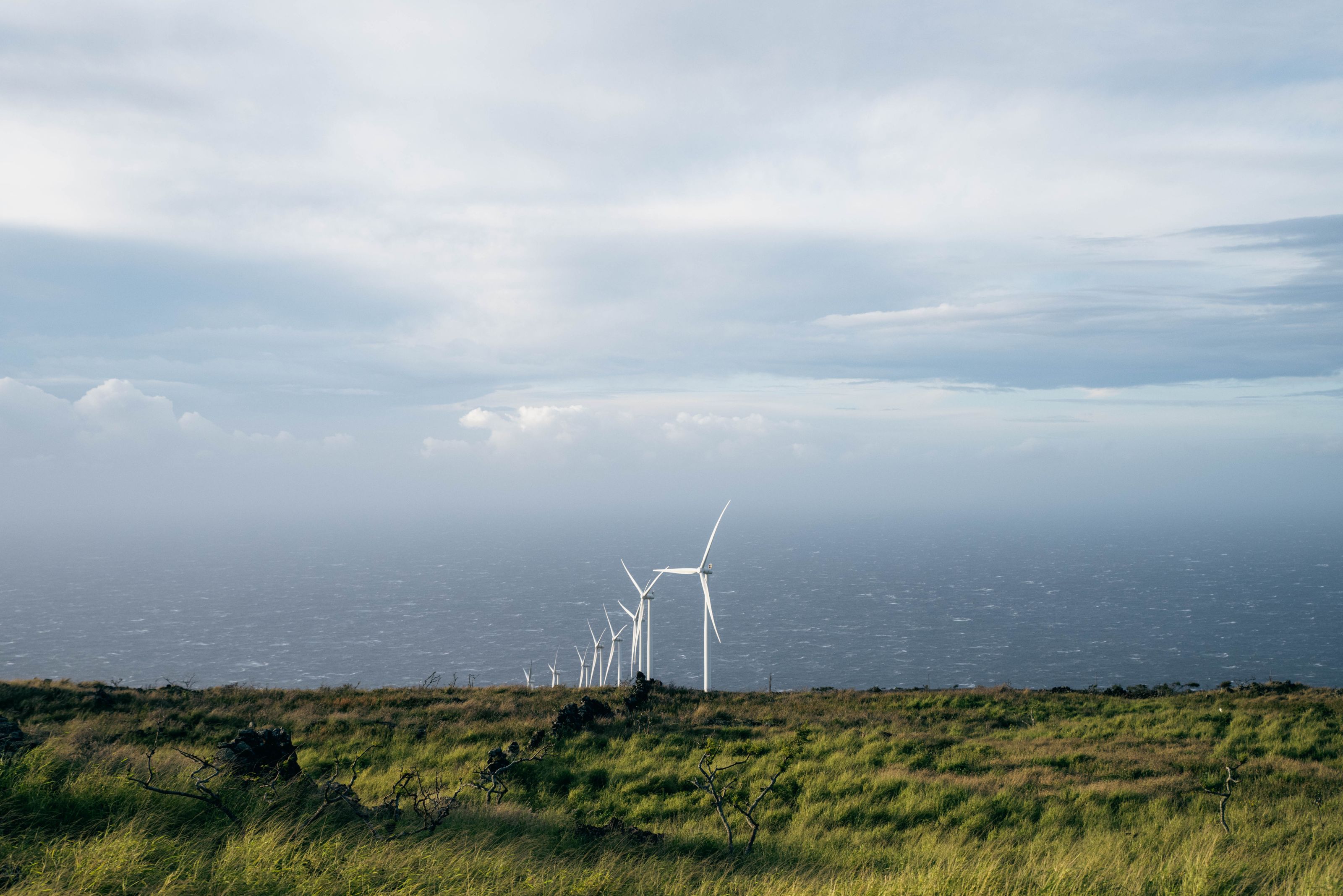
Global clean energy installations are decoupling from geopolitical friction, with BloombergNEF projecting 4.5 terawatts of new wind and solar capacity over the next five years. This represents a staggering 67 percent increase over the prior five-year period. Despite escalating trade barriers, tariffs, and fractured global supply chains, the sheer economic gravity of renewables is rendering political resistance obsolete. Wind and solar last year crossed a record 800 gigawatts of installations, tripling 2021 levels and proving that market momentum has eclipsed policy volatility.
The energy transition is no longer a single, synchronized global race, but rather a series of highly localized sprints. Major economies are increasingly ring-fencing their energy supply chains to protect domestic industries. In the United States, even as policy momentum shifts, BNEF still forecasts 336 gigawatts of wind, solar, and storage additions between 2026 and 2030. This structural resilience shows that the levelized cost of electricity now consistently favors renewables over fossil fuels, regardless of political shifts.
The transition's underlying strength lies in dramatic manufacturing cost declines that offset regulatory friction. Solar and wind benchmarks have consistently beaten traditional power plants since 2017, driven by massive manufacturing capacity in Asia that continues to flood global markets with cheap hardware. Even under conservative scenarios, BNEF models a cumulative 5.8 terawatts of solar and 1.9 terawatts of wind by the decade's end. This overwhelming volume of cheap hardware forces a shift in developer strategies away from securing panels and toward securing grid access.
For venture capital and climate tech founders, this landscape demands a major strategic pivot. The era of betting on basic hardware manufacturing is giving way to software and infrastructure plays that solve local bottleneck issues. The primary challenge has shifted from generation to integration, creating a massive premium for grid-enhancing technologies, virtual power plants, and localized supply chain logistics. Startups that can help developers navigate fragmented regulatory environments and grid congestion are poised to capture the next wave of capital.
Over the next twelve months, we will see a surge in early-stage funding targeting grid orchestration software and long-duration energy storage. As regional grids struggle to absorb this 4.5-terawatt wave of intermittent power, regulatory bodies will be forced to fast-track interconnection reforms. Capital will flow away from raw hardware assembly and toward defensive, localized infrastructure that can withstand trade disputes. The winners of this next phase will not be those who build cheaper panels, but those who build the digital and physical highways to connect them.
 The Future FrontBe on the cover.Twice a month we put the people shaping what's next on our cover.Apply for the cover




