Telecoms Are Buying Into Robotics. Here's Why.
NTT and NTT Docomo Business just bet on Mujin, and it tells you everything about who's really competing to own the automation stack.
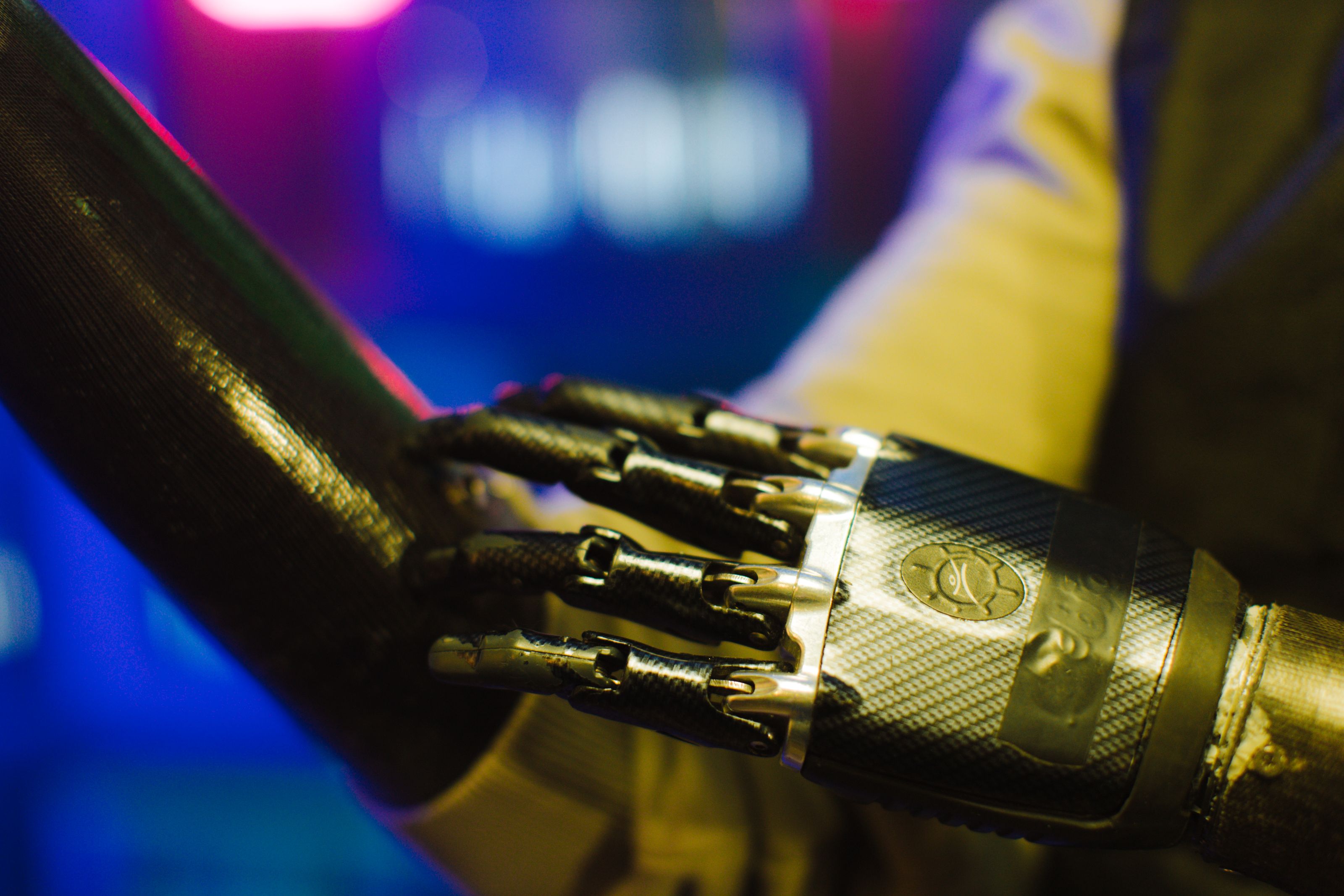
When a telecom giant formalises a capital alliance with a warehouse robotics firm, it is not a diversification play. It is a land grab. NTT and NTT Docomo Business have entered a capital and business alliance with Mujin, one of the world's most sophisticated industrial robotics companies, positioning Japan's dominant telecom infrastructure directly inside the automation stack. The timing is deliberate. Mujin closed a landmark $233 million funding round in 2026, signalling that the race to control intelligent industrial automation is now drawing capital at a scale that dwarfs typical robotics Series rounds.
Mujin is not a conventional robotics company. Its core product, MujinOS, functions as a unified industrial automation platform that integrates robots, AGVs, storage systems, sensors and other equipment within a single digital environment. It enables facility-wide optimisation and real-time digital twin operations, making it one of the few platforms with a credible claim to becoming the operating system of the modern warehouse. That is precisely the asset NTT wants adjacent to its 5G and edge-computing infrastructure. The alliance is designed to layer NTT's connectivity backbone underneath Mujin's AI-driven robot controllers, creating a vertically integrated offering that neither company could credibly deliver alone.
The strategic logic here runs deeper than a co-marketing agreement. NTT is betting that 5G private networks and edge compute will become mandatory infrastructure for next-generation autonomous logistics, and that owning equity in the intelligence layer locks in that dependency. Mujin gets capital, distribution reach across NTT's vast enterprise client base and a credible connectivity story for global expansion. NTT gets a seat at the table as physical AI reshapes manufacturing and logistics, two sectors that represent enormous recurring infrastructure spend. This is the telecom pivot that analysts have been predicting for years, finally executed with conviction.
For founders building in the logistics-tech stack, this deal raises both the ceiling and the floor. The ceiling rises because large-cap strategic investors validate premium exit multiples for robotics and automation software companies. The floor rises because competing against a Mujin now backed by NTT's network assets and enterprise relationships is a materially harder proposition. Investors who have quietly held the thesis that telecoms would eventually move to own the automation connectivity layer are now watching that thesis crystallise faster than most expected. The question is no longer whether this convergence happens, but who captures the margin when it does.
Over the next twelve months, expect this alliance to accelerate competitive pressure on European and North American telecoms to make similar moves. Ericsson, Deutsche Telekom and AT&T have all circled the industrial automation space without committing. NTT's structured capital alliance with Mujin changes the calculus. Robotics startups with defensible software platforms will find themselves fielding strategic conversations from carriers who can no longer afford to be pure pipes in an AI-driven industrial economy. The winners will be founders who built platforms, not features. The losers will be anyone still betting that automation and connectivity remain separate markets.
 The Future FrontBe on the cover.Twice a month we put the people shaping what's next on our cover.Apply for the cover




