Tariffs and Tax Shifts Cannot Stop the Solar Boom
Despite regulatory headwinds and tariff hikes, utility-scale solar is expanding at a record pace, exposing a massive grid integration gap.
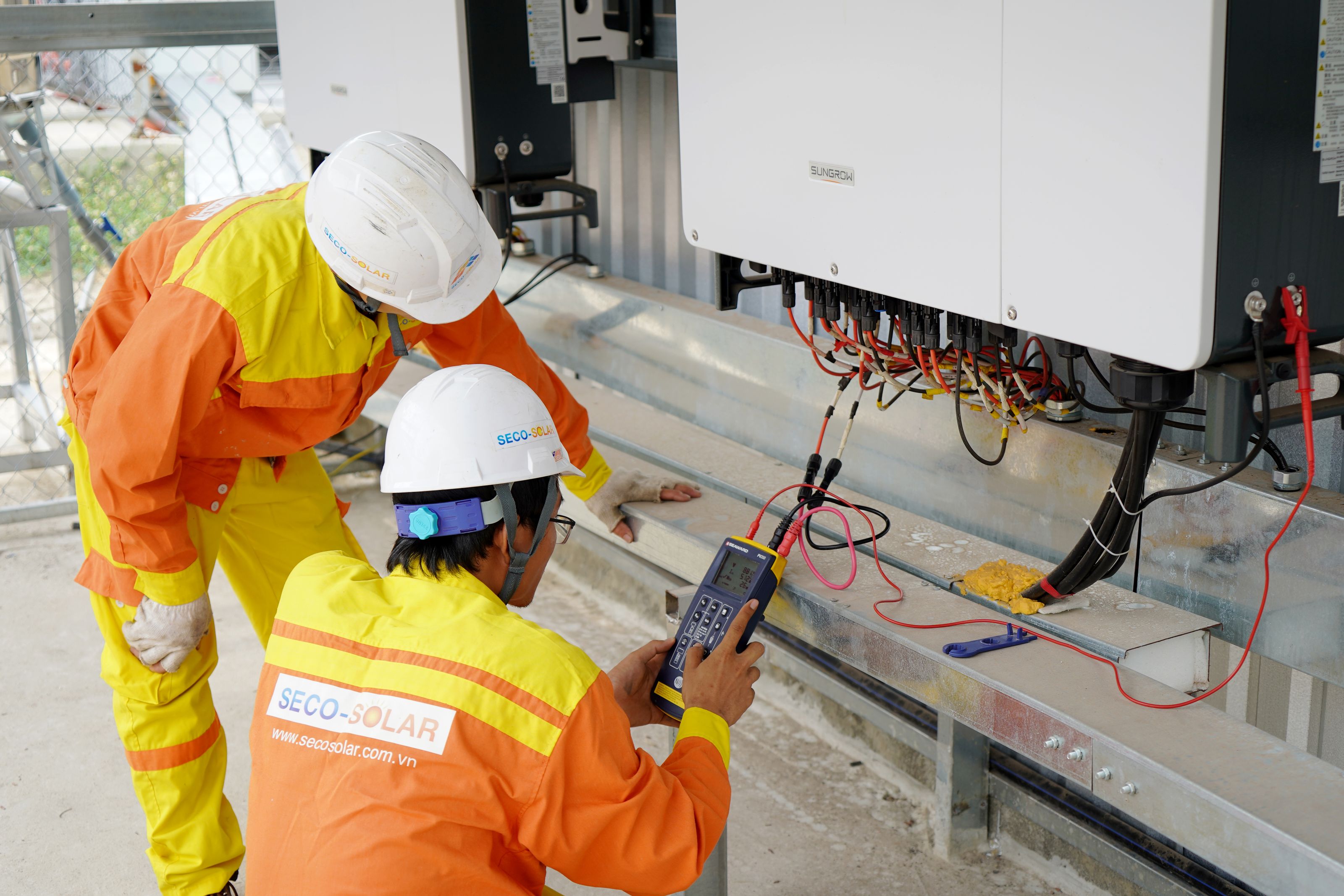
The United States is on track to install 42,971 megawatts of utility-scale solar power this year, defying a wave of regulatory friction and macroeconomic headwinds. This massive deployment represents a new high-water mark for clean energy despite escalating trade tariffs on polysilicon and impending shifts in federal tax incentives. The sheer momentum of utility-scale solar indicates that demand for clean energy has decoupled from political uncertainty. Developers are moving faster than ever, proving that the economics of solar are now strong enough to withstand regulatory shocks.
This resilience comes at a critical moment for the American electrical grid. While solar is expanding rapidly, natural gas is projected to maintain a stable 40 percent market share of electricity generation through 2027. This persistence of fossil fuels highlights a widening integration gap that cannot be solved by simply adding more solar panels. The grid is reaching its physical limits, creating a structural bottleneck that threatens to stall the transition if left unaddressed.
The regulatory landscape is shifting quickly, forcing developers to front-load their pipelines. Under current policy rules, the standard solar investment tax credit is set to sunset in 2027, though projects beginning construction by July 4, 2026, can qualify if operational by 2030. Concurrently, new tariffs starting in December 2026 will increase polysilicon costs, impacting rooftop installations more severely than massive utility-scale arrays. These deadlines have triggered a gold rush of early-stage development as firms rush to lock in favorable financial terms.
For climate tech founders and venture capitalists, this dynamic signals a massive market opportunity for grid-enhancing technologies. The primary constraint on solar expansion is no longer the cost of panels, but the ability of the transmission network to absorb intermittent power. Startups focusing on long-duration energy storage, automated grid orchestration, and high-voltage transmission hardware are positioned to capture the next wave of capital. Investors should look beyond generation assets toward the infrastructure that makes clean generation viable at scale.
Over the next twelve months, the industry will witness an unprecedented scramble to break ground on projects before the July 2026 tax credit deadline. This rush will strain supply chains and test the limits of regional grid interconnection queues. As hardware costs fluctuate under new tariff regimes, software solutions that optimize power dispatch and battery storage integration will become essential. The next phase of the energy transition will not be defined by who can build the most solar, but by who can successfully plug it into the grid.
 The Future FrontBe on the cover.Twice a month we put the people shaping what's next on our cover.Apply for the cover




