Solar Power Defies the Trade Wars
Despite aggressive tariffs and shifting tax rules, utility-scale solar is set to grow 45 percent this year on sheer economic merit.
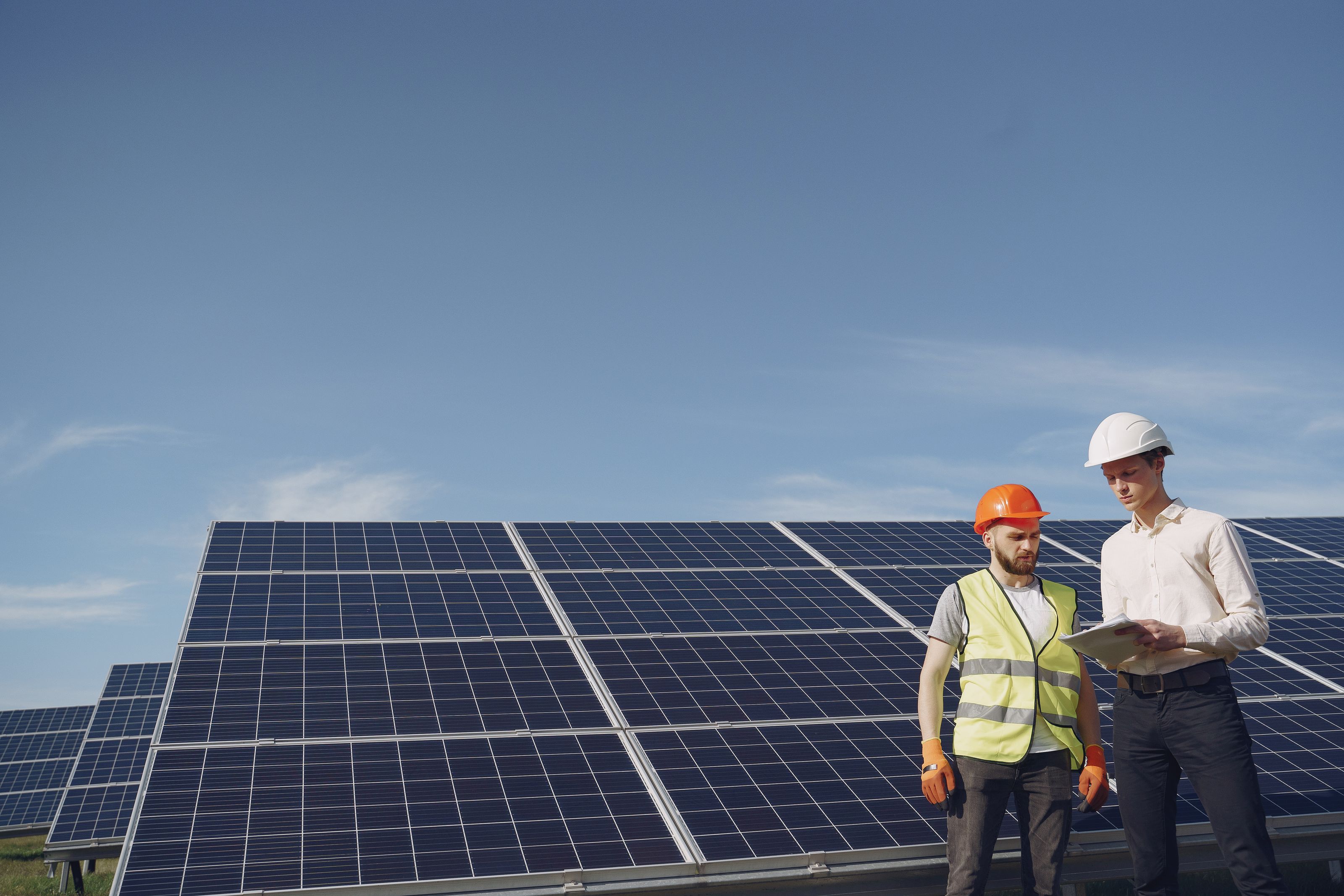
The United States is on track to install nearly 43,000 megawatts of utility-scale solar capacity in 2026, representing a massive 45 percent surge over last year. This unprecedented growth is happening not because of friendly federal policies, but in spite of their sudden disappearance. Even as the Department of Commerce levies import tariffs exceeding 100 percent on some overseas components, developer demand is hitting record highs. The sheer velocity of this expansion proves that utility-scale solar has crossed a critical threshold where market economics outpace political friction.
For years, critics argued that clean energy deployment was an artificial construct kept alive solely by government subsidies and trade protections. Recent regulatory shifts, including new antidumping investigations and complex tax credit revisions, were expected to freeze capital deployment. Instead, the industry has shown remarkable resilience by restructuring supply chains at breakneck speed. Developers are absorbing these regulatory shocks because the fundamental demand for clean, domestic electricity is growing faster than supply chain disruptions can hinder it.
The underlying financial data explains why projects remain highly viable. While commercial solar costs ticked up slightly, utility-scale system pricing actually decreased by 3 percent year-over-year, driven by a plunge of more than 20 percent in global module prices. This cost reduction has neutralized the impact of aggressive new tariffs on imports from Southeast Asian nations. Consequently, developers are proceeding with massive installations, secured by the reality that solar remains the cheapest source of new electricity generation in most of the country.
For venture capital and infrastructure investors, this resilience changes the risk calculus entirely. Solar is no longer a policy-dependent play vulnerable to the whims of changing administrations, but a mature infrastructure asset class. However, the scale of the transition ahead remains monumental, as natural gas is still projected to maintain a 40 percent market share through 2027. To fully displace legacy generation, energy developers must now focus heavily on grid integration and battery storage systems that can handle this incoming wave of intermittent power.
Over the next twelve months, the market will see a massive push toward domestic manufacturing as developers seek to permanently bypass international trade disputes. Expect to see substantial capital shift toward regional supply chains and domestic module assembly plants within the United States. While political debates over energy policy will undoubtedly persist, the physical buildout of the grid is now locked into an irreversible trajectory. By this time next year, the sheer volume of operational solar assets will make the transition practically impossible to unwind.
 The Future FrontBe on the cover.Twice a month we put the people shaping what's next on our cover.Apply for the cover