Solar Just Topped Wind. The Grid Will Never Be the Same.
Utility-scale solar has dethroned wind as America's top clean energy source, and the investment map for storage and grid infrastructure just changed with it.
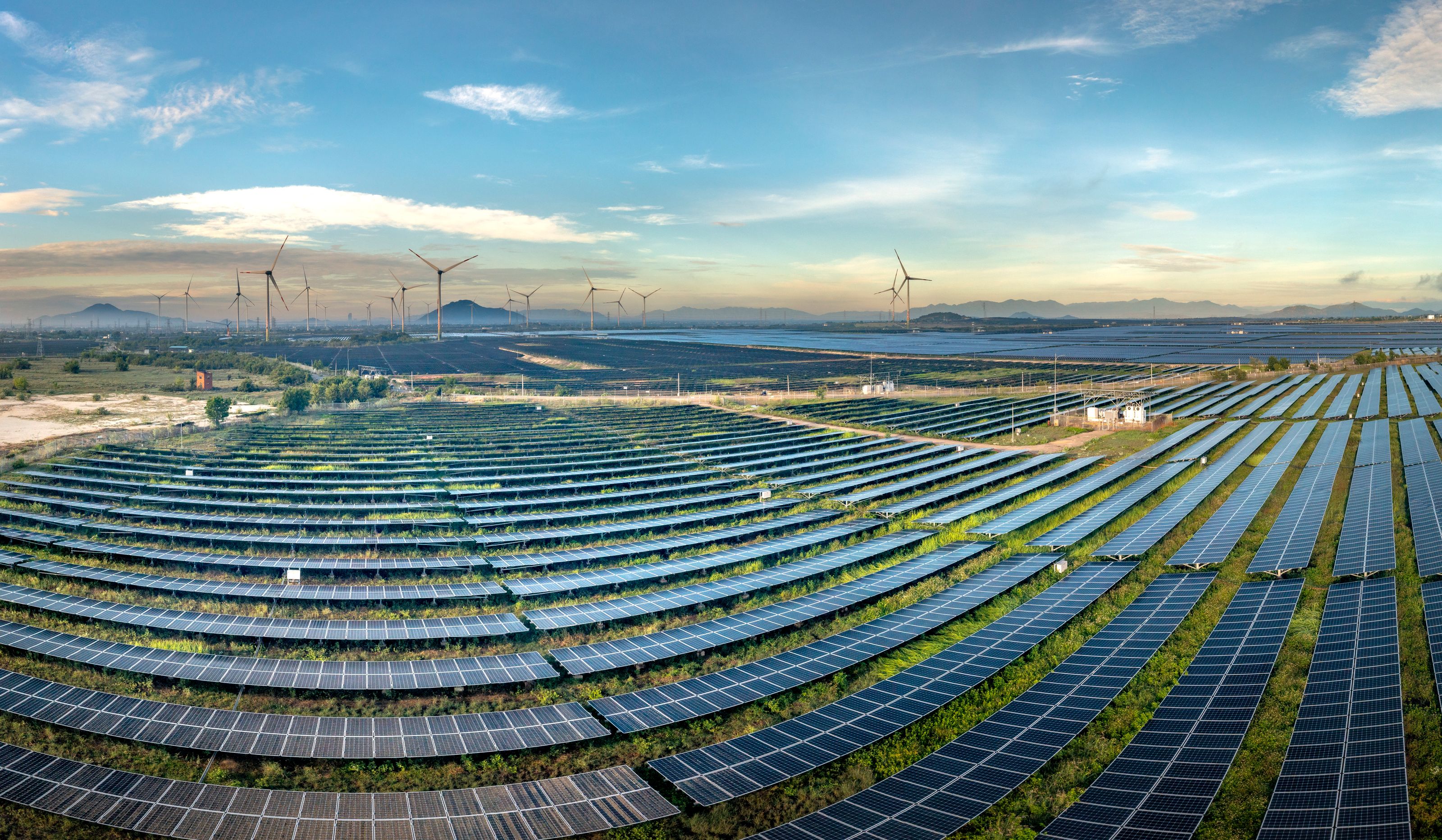
For the first time in US history, utility-scale solar has overtaken wind as the single largest source of clean electricity on the American grid. Combined utility-scale and small-scale solar now sits at 261,166 MW of installed capacity, well clear of wind's 170,154 MW, according to the US Energy Information Administration. In May 2026 alone, solar generation hit a record 45.5 terawatt-hours, up 17% year-over-year. This is not a rounding error or a seasonal blip. It is a structural shift that redraws the energy investment map heading into the second half of 2026.
The milestone lands against a deeply contradictory political backdrop. The current administration has pushed hard for coal and gas, yet market forces have effectively ignored the policy signal. Solar is projected to account for 51% of all new utility-scale capacity coming online in 2026, with batteries adding another 28% and wind contributing 14%. Fossil gas, despite White House backing, makes up just 7% of new additions. Coal does not register at all. When the economics are this lopsided, industrial policy becomes noise.
The EIA projects a record 86 GW of utility-scale capacity will be added to the US grid in 2026, nearly double the 53 GW added in 2025. Solar is driving the bulk of that number, and the downstream consequences are already visible in procurement pipelines and project financing. Solar has now also handily surpassed coal at 163,425 MW and more than doubled nuclear at 98,451 MW in installed capacity terms. The caveat is capacity factors: nuclear and coal still punch above their weight in actual output hours. But the trajectory is irreversible.
For founders and investors, the inflection point sharpens a specific thesis. When solar is the dominant generation source, the value shifts upstream and downstream of the panel itself. Grid-scale storage becomes critical infrastructure, not an optional add-on, because solar's intermittency problem scales with its share of the grid. Smart inverters, transmission hardware, and demand-response software all move from niche plays to essential plumbing. The startups building the connective tissue of a solar-heavy grid are now operating in a market with structural tailwinds, regardless of what happens in Washington.
In the next twelve months, expect capital to rotate hard toward storage and grid infrastructure as solar saturation in key markets like California and Texas creates real curtailment pressure. Interconnection queues are already a bottleneck, and transmission reform will move from a policy wonk concern to a founder opportunity. The solar milestone is not the end of the transition story. It is the moment the second chapter begins, one defined less by generation capacity and far more by the intelligence and flexibility of the grid that carries it.
 The Future FrontBe on the cover.Twice a month we put the people shaping what's next on our cover.Apply for the cover




