Solar Just Dethroned Wind in the US Clean Mix
Utility-scale solar has officially surpassed wind as the US's largest clean energy source, and the capital implications for grid infrastructure are enormous.
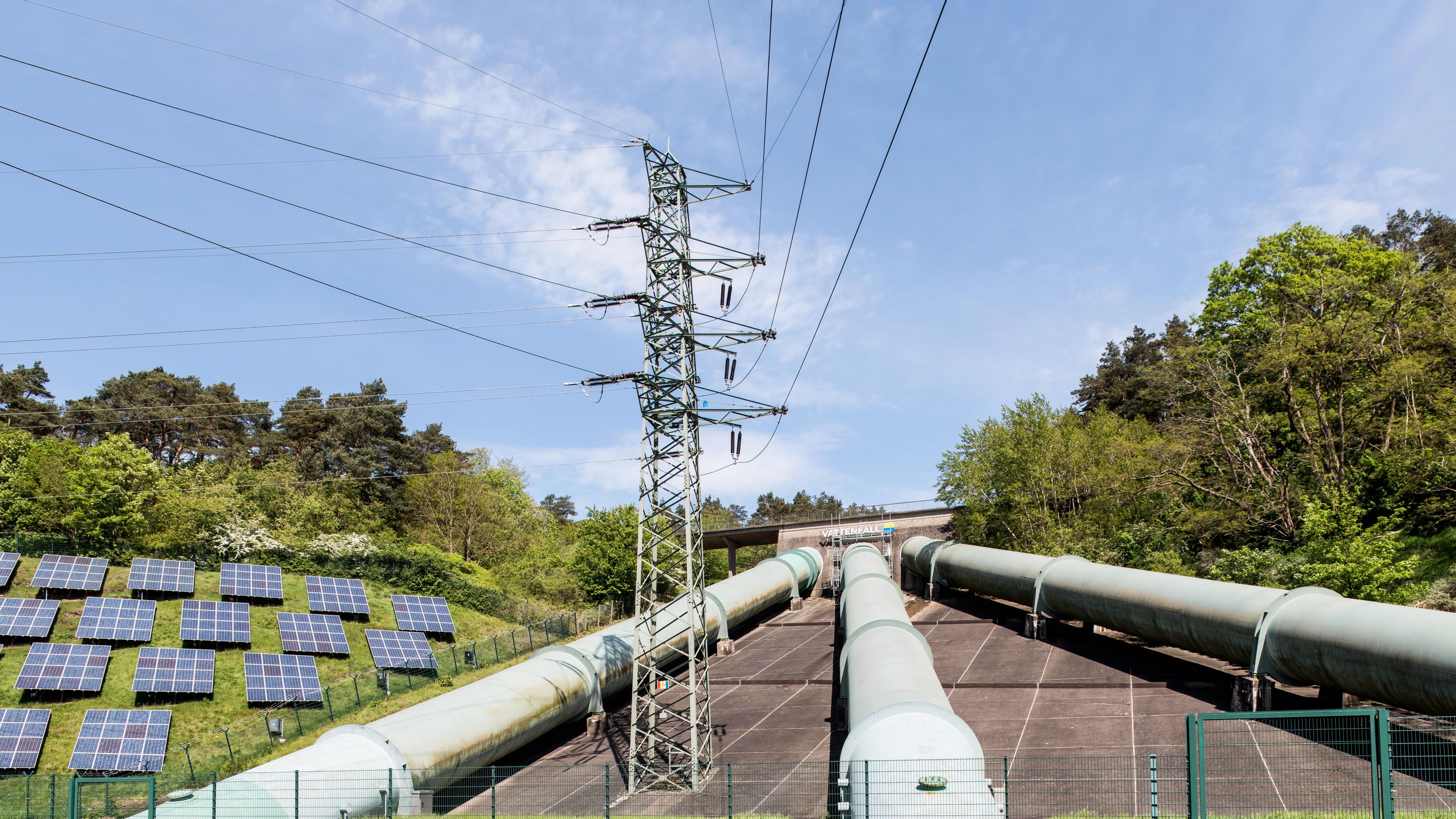
For the first time in American energy history, solar has overtaken wind as the single largest source of clean electricity in the US power mix. In May 2026, solar supplied a record 12.8% of US electricity, briefly surpassing coal at 12.2%, according to Ember. Combined utility-scale and small-scale solar now sits at 261,166 MW of installed capacity, comfortably ahead of wind's 170,155 MW. This is not a blip. It is a structural realignment of the US energy system, and it is moving faster than almost anyone modeled.
The speed of this shift matters as much as the shift itself. The US Energy Information Administration expects 86 GW of new utility-scale capacity to be added to the grid in 2026, a record if realized. Solar accounts for 51% of that planned build. Wind, by contrast, is adding capacity at a fraction of that pace. The underlying driver is cost: solar's levelized cost of energy has fallen so sharply, and its permitting and deployment timelines have compressed so dramatically, that it is now the default first call for project developers across nearly every US market.
Solar's dominance over coal is the headline, but the more consequential comparison is with nuclear. Solar's installed capacity now more than doubles nuclear's 98,452 MW, even though nuclear retains a far higher capacity factor. That gap illuminates the central tension in the new energy landscape: raw capacity is no longer the constraint. Reliability, dispatchability, and grid integration are. Solar's intermittency problem does not get smaller as solar's share grows. It compounds.
This is precisely where the capital story gets interesting for founders and investors. Solar's rise creates immediate downstream pressure on grid storage, transmission, and interconnection infrastructure. A grid increasingly shaped by a single dominant, weather-dependent source needs far more balancing capacity than the current system provides. Battery storage is the obvious beneficiary, but the real bottleneck is transmission: the US still cannot move electrons from where solar is abundant to where demand peaks. Founders building in grid software, long-duration storage, and transmission optimization are now operating in a structurally favored environment, not a speculative one.
Over the next twelve months, watch for solar's capacity advantage to force a repricing of risk across the project finance stack. Investors who have treated solar and wind as interchangeable clean energy bets will need to disaggregate. Solar-adjacent infrastructure, from inverter manufacturing to grid-scale storage and flexible load management, will attract an outsized share of both VC and institutional capital as developers race to solve the integration problems that solar's dominance has made unavoidable. The energy transition has a new center of gravity. The question is whether the rest of the grid can keep up.
 The Future FrontBe on the cover.Twice a month we put the people shaping what's next on our cover.Apply for the cover




