Solar Is Winning Without Policy's Help
US utility-scale solar is on track to add nearly 43,000 MW in 2026, and tariffs aren't stopping it.
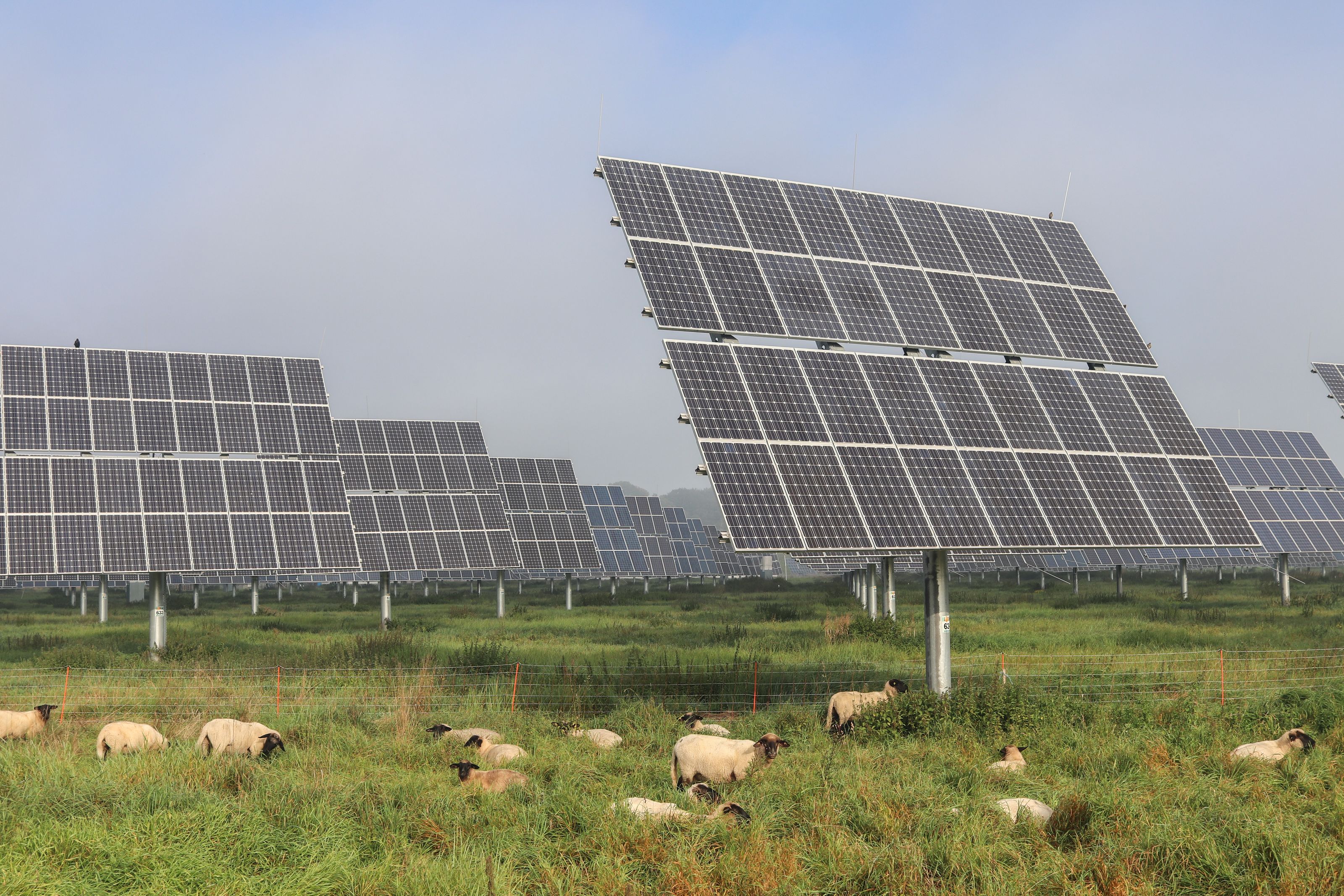
The United States is on track to add 42,971 megawatts of utility-scale solar in 2026, according to the Energy Information Administration. That number dwarfs every other power generation technology. This is happening while tariffs on imported solar hardware are squeezing margins and IRA tax credit rollbacks have removed incentives that the industry once treated as foundational. The policy environment is hostile. The deployment numbers do not care.
For years, the central bear case against solar as an asset class was regulatory fragility: strip the subsidies, raise the import costs, and the economics collapse. That argument is now empirically broken. Utility-scale solar surpassed wind as the largest source of new generating capacity in the US in late 2025, and 2026 is accelerating that lead. The structural cost curve, driven by years of manufacturing scale, cheaper installation, and shorter construction timelines, has moved solar past the point where political cycles can reverse the trajectory.
The Q1 2026 numbers tell a nuanced story worth reading carefully. The US solar industry installed 7.8 gigawatts in Q1, a 27% decline from Q1 2025 and a 42% drop from Q4 2025. On the surface that looks alarming. It is not. The quarterly dip reflects tariff front-running in late 2025, where developers rushed to complete projects before new import costs landed. The full-year pipeline, at nearly 43,000 megawatts, reflects real committed capital, not accounting noise. Developers are absorbing higher hardware costs and still building.
This is the signal that reframes the risk calculus for founders and investors. Solar is no longer a policy bet. It is an infrastructure bet, and infrastructure bets compound differently. The adjacent plays, grid interconnection software, utility-scale storage, asset management platforms, and financing infrastructure, inherit that same structural resilience. Capital flowing into these layers is now insulated from the political volatility that once made LP committees nervous about clean energy exposure. That changes the conversation at the fund level and at the project level simultaneously.
Over the next twelve months, the pressure points will shift from policy to operations. Grid interconnection queues are already the binding constraint for many projects, and 2026 is shaping up as one of the most operationally demanding years the utility-scale sector has seen. The developers and software platforms that solve interconnection bottlenecks and compress project timelines will capture disproportionate value as deployment volume keeps rising. The energy transition no longer needs to be rescued by Washington. It needs to be built, and that is a fundamentally different, and better, problem for the market to solve.
 The Future FrontBe on the cover.Twice a month we put the people shaping what's next on our cover.Apply for the cover




