Solar Is Surging, But the Grid is Still Gas-Powered
Despite tariffs and tax changes, US utility-scale solar is booming, but a stubborn natural gas baseline reveals a massive opportunity for grid-scale storage.
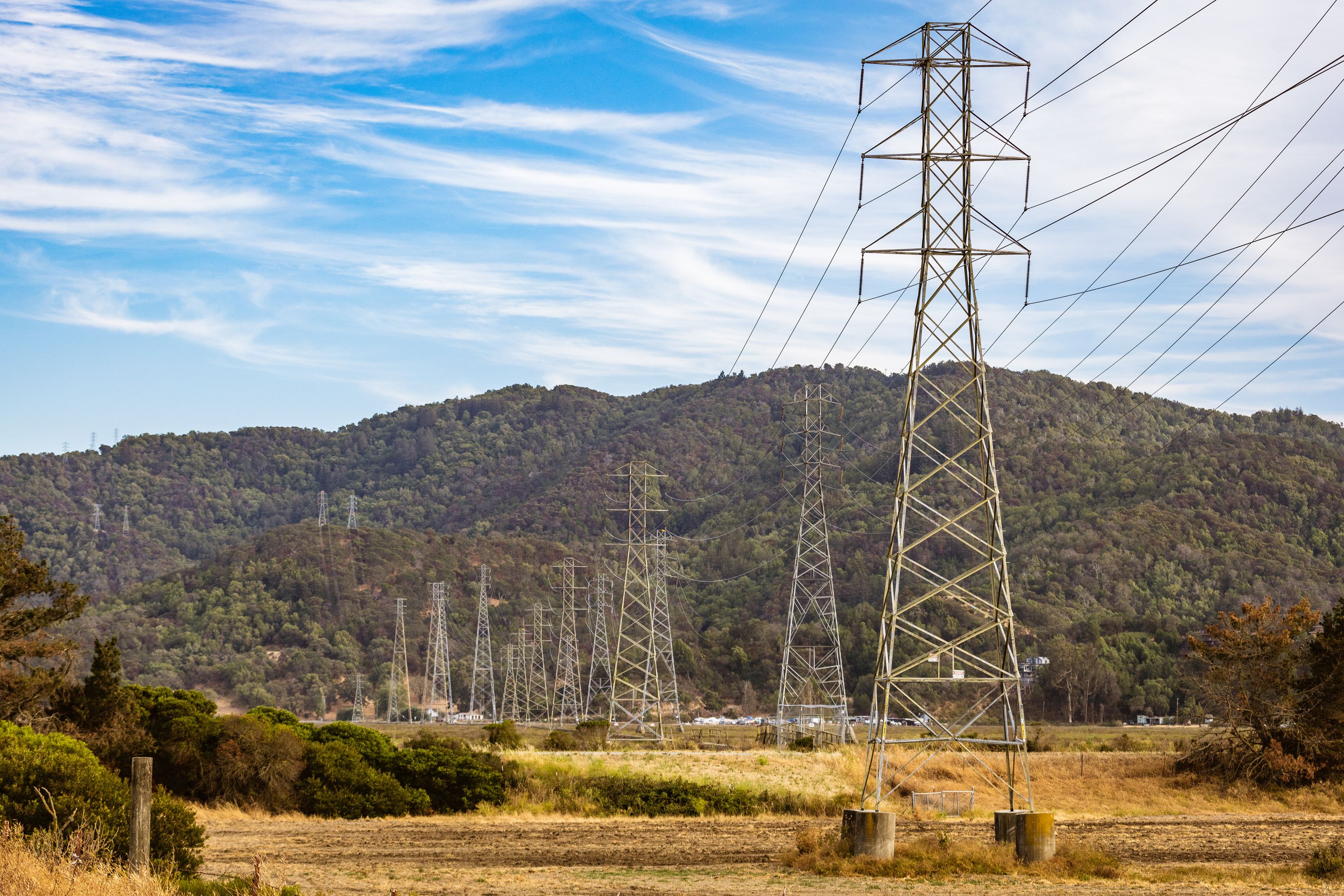
The United States is on track to install a staggering 42,971 megawatts of utility-scale solar capacity this year, defying a gauntlet of protectionist tariffs and tightening tax-credit sourcing rules. This massive buildout proves that the underlying economics of photovoltaic power have bypassed political cycles entirely. Developers are rushing to meet skyrocketing electricity demand driven by artificial intelligence data centers and industrial manufacturing. Solar has officially transitioned from a subsidized alternative to the fastest, cheapest path for adding capacity to a strained grid.
This boom is occurring despite escalating friction in the international supply chain, including stiff Section 201 tariffs on Asian import panels and stricter domestic-sourcing mandates for federal tax credits. Historically, such regulatory hurdles would have frozen multi-million dollar pipeline projects indefinitely. Today, however, the sheer speed of solar deployment makes it the default choice for developers facing urgent capacity shortfalls. While permitting on federal land remains a notorious bottleneck, private land developments, particularly in Texas, are accelerating at an unprecedented pace to meet the demand.
The sheer momentum of solar, however, masks a deeper systemic challenge that clean-energy developers must confront. Federal projections show that natural gas is set to maintain a dominant 40 percent market share of US electricity generation through 2027, matching its 2025 levels exactly. Even as tens of gigawatts of new solar panels saturate midday supply, fossil fuels remain the indispensable backbone of evening peak demand. The data reveals that merely installing more photovoltaic panels is no longer sufficient to displace fossil generation on its own.
For climate tech founders and venture capital firms, this stubborn natural gas baseline represents a massive commercial opportunity. The bottleneck of the energy transition is no longer generation cost, but rather dispatchability and grid stability. This market reality shifts the investment mandate from raw solar generation to long-duration energy storage, virtual power plants, and grid-enhancing software. Companies that can solve the multi-hour storage dilemma stand to capture the value that solar currently leaves on the table when the sun sets.
Over the next 12 months, the industry will see a tactical pivot as developers begin bundling storage with almost every new utility-scale solar bid. Supply chains will continue to localize rapidly to capture maximum federal tax incentives, driving up domestic manufacturing capacity. Ultimately, the next year will prove that solar dominance is no longer a question of panel efficiency, but a race to deploy the storage and software that makes renewable power reliable around the clock.
 The Future FrontBe on the cover.Twice a month we put the people shaping what's next on our cover.Apply for the cover