Solar Dethrones Wind as America's Top Clean Source
For the first time ever, utility-scale solar generated more electricity than wind in the US, and the capital implications are seismic.
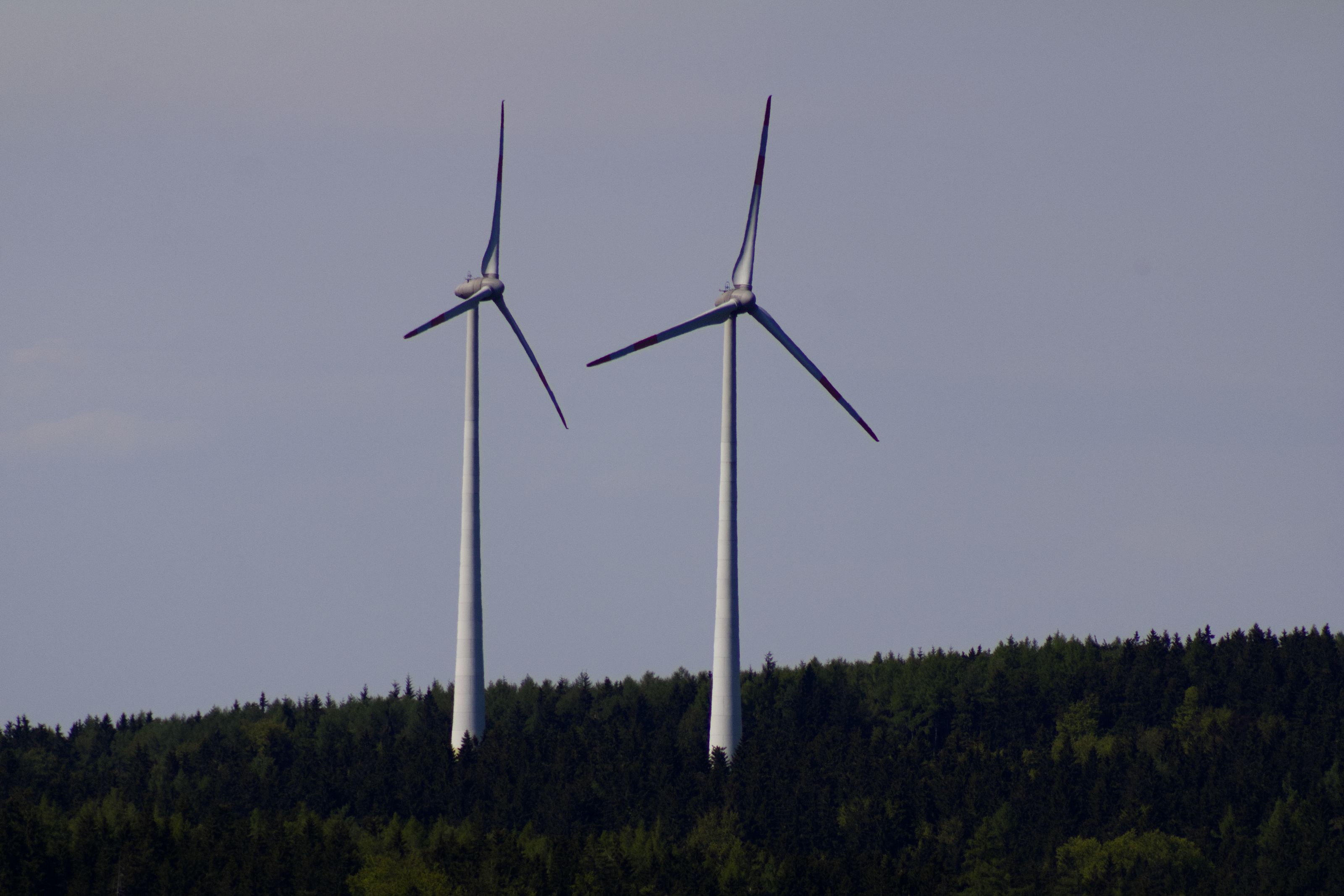
For the first time in American energy history, utility-scale solar has overtaken wind as the largest source of clean electricity in the US. In Q1 2026, solar pulled ahead in the generation rankings, a milestone confirmed by EIA data and underscored by May 2026 figures showing solar also surpassed coal to become the third-largest electricity source in the country overall. The US added 7.8 gigawatts of new solar capacity in Q1 alone, with solar and storage together accounting for over 90% of all new power added to the grid. This is not a quarterly blip. It is a structural reordering of the American energy stack.
The shift has been building for two decades. Wind and utility-scale solar together generated 760,000 gigawatthours in 2025, up 88,000 GWh from the prior year, and together represented 17% of US electricity, compared to less than 1% in 2005. But the internal dynamics of that pairing have now decisively split. Wind's land-based pipeline has stagnated, offshore wind has collapsed, and solar has filled the gap with compounding speed. The policy environment has turbocharged the divergence: early and mid-stage land-based wind projects are struggling to clear federal approvals, while offshore wind's development pipeline has dropped 35% year-over-year according to the American Clean Power Association's Q1 2026 report.
Solar's ascent is partly a cost story, but more precisely it is a deployment story. Utility-scale solar is faster to permit, cheaper to finance at current interest rates, and easier to site across a wider geographic range than wind. The ACP's Q1 data shows the solar pipeline grew 13% year-over-year, while battery storage followed at 8% growth. These two technologies are now functionally inseparable in project economics. Developers are not building solar without co-located storage, and that pairing is what has made solar viable as a baseload-adjacent resource rather than a weather-dependent afterthought.
For founders and investors, the reordering matters because capital follows the dominant technology. Grid-edge software, storage integration platforms, and transmission management tools all see their addressable markets expand as solar becomes the primary dispatch variable on the grid. Solar's intermittency profile is fundamentally different from wind's, it peaks midday and drops sharply in the evening, creating a specific and predictable demand curve for storage and demand-response technologies. That predictability is actually an advantage for software-layer businesses building around it. Investors who have been sitting on the fence on grid software and storage plays now have a cleaner thesis to back.
Over the next 12 months, the structural questions shift from whether solar leads to what solar's leadership demands. Transmission infrastructure will face acute pressure, as utility-scale solar clusters in sun-rich regions that are not always where demand concentrates. Land-use conflicts will intensify. And the storage co-deployment rate will become the critical metric to watch, since solar capacity without storage simply creates new grid management problems rather than solving old ones. The companies building the software and hardware layer on top of this solar-dominant grid are now operating in the most capital-efficient moment the clean energy sector has ever produced. The milestone is worth noting. What comes next is worth investing in.
 The Future FrontBe on the cover.Twice a month we put the people shaping what's next on our cover.Apply for the cover




