Solar Beats Wind. Now Comes the Hard Part.
Utility-scale solar just surpassed wind capacity in the US for the first time. Here is what that shift means for capital, infrastructure, and the grid.
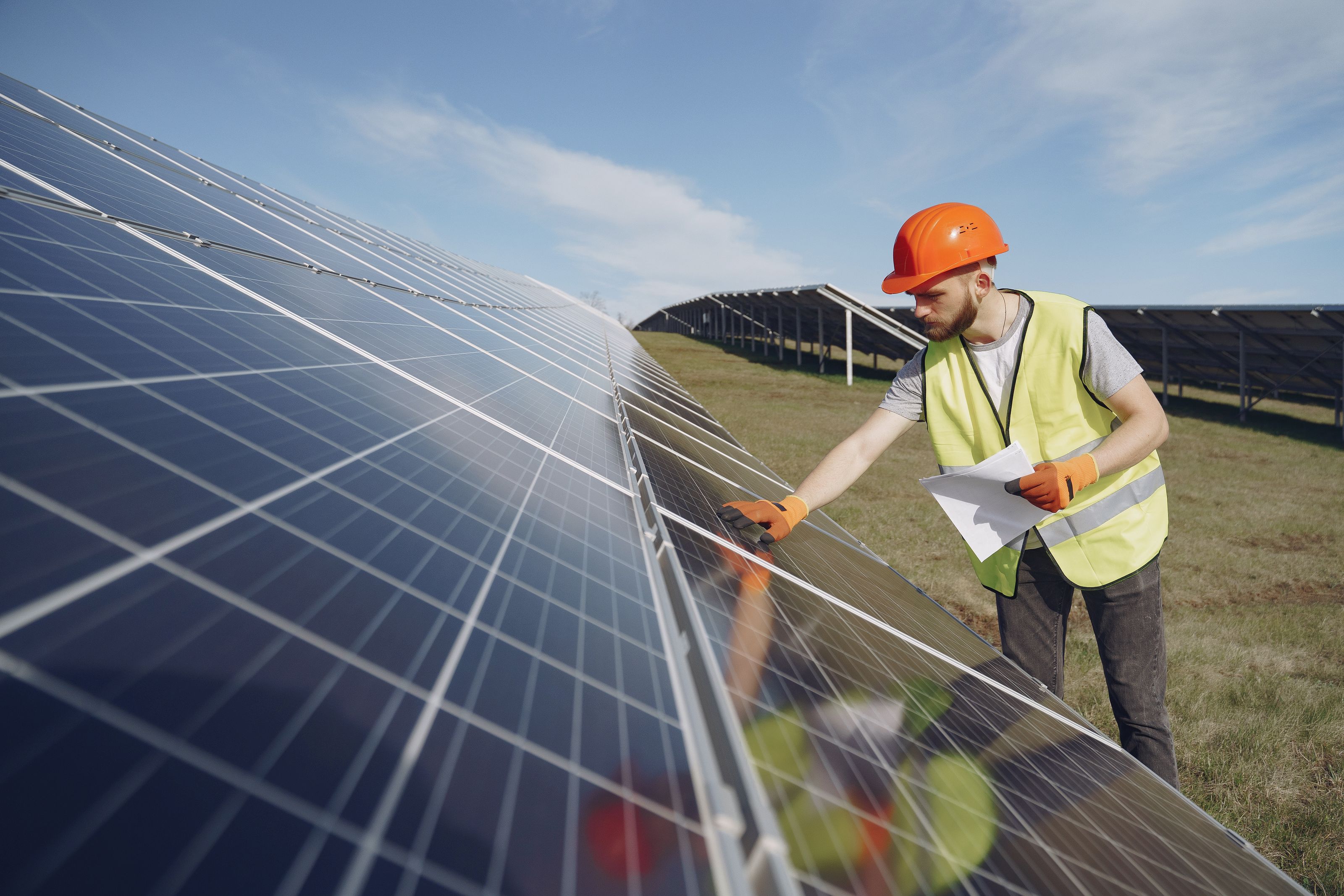
In April 2026, utility-scale solar capacity crossed 160,208 MW in the US, edging past wind at 160,100 MW. It is a number that looks almost too close to be historic, but the direction of travel is decisive. Solar is not creeping ahead. It is accelerating. The EIA projects nearly 70 GW of new solar capacity coming online in 2026 and 2027 alone, a 49% increase on installed capacity from the end of 2025. This is no longer a trend. It is a structural reset.
For most of the past decade, wind held the crown in US clean power. It scaled first, built the political coalitions, and carved out the transmission corridors. Solar spent those years getting cheap. The cost curve worked, quietly and then all at once. Now solar makes up 51% of the record 86 GW of new utility-scale capacity planned for 2026, and renewables as a whole hit 30% of total US electrical generation in the first four months of this year, up from 27.8% in the same period of 2025. The math has shifted in a way grid planners cannot ignore.
The EIA's short-term forecast puts utility-scale solar generation at 290 billion kilowatt-hours in 2025, rising to 424 billion by 2027. That is not incremental growth. That is a technology moving from challenger to dominant, faster than most infrastructure cycles allow for. Combined utility-scale and small-scale solar already sits at 261 GW of installed capacity, dwarfing coal at 163 GW and more than doubling nuclear at 98 GW. Solar's capacity factors still trail both, but the gap is narrowing as tracker technology and siting improve.
For founders and investors, the implications are immediate and specific. The bottleneck is no longer generation. It is everything that comes after it. Grid interconnection queues are jammed. Storage is the constraint that determines whether solar electrons actually reach demand. Battery energy storage capacity grew by 17,703 MW, or 58%, in just the first third of 2026, which tells you the market already knows this. The capital priority has shifted to the stack around solar: storage integration, transmission infrastructure, grid software, and the supply chains feeding panel and inverter manufacturing at scale. Picking the generation winner is the easy trade. The harder and more valuable one is betting on the infrastructure that makes the winner useful.
The next twelve months will test whether deployment velocity can survive its own success. Interconnection bottlenecks are already slowing projects in high-growth markets. Supply chains for trackers, inverters, and balance-of-system components face pressure as 70 GW of projects compete for the same inputs. The founders and funds who move now on grid integration plays, long-duration storage, and interconnection solutions will be positioned before the broader market prices in the shift. Solar did not just pass wind. It changed the question the energy industry has to answer.
 The Future FrontBe on the cover.Twice a month we put the people shaping what's next on our cover.Apply for the cover




