Solar and Batteries Just Captured 91 Percent of the Grid
With solar and batteries claiming 91 percent of new US power capacity, the climate tech battlefield is shifting from hardware to software.
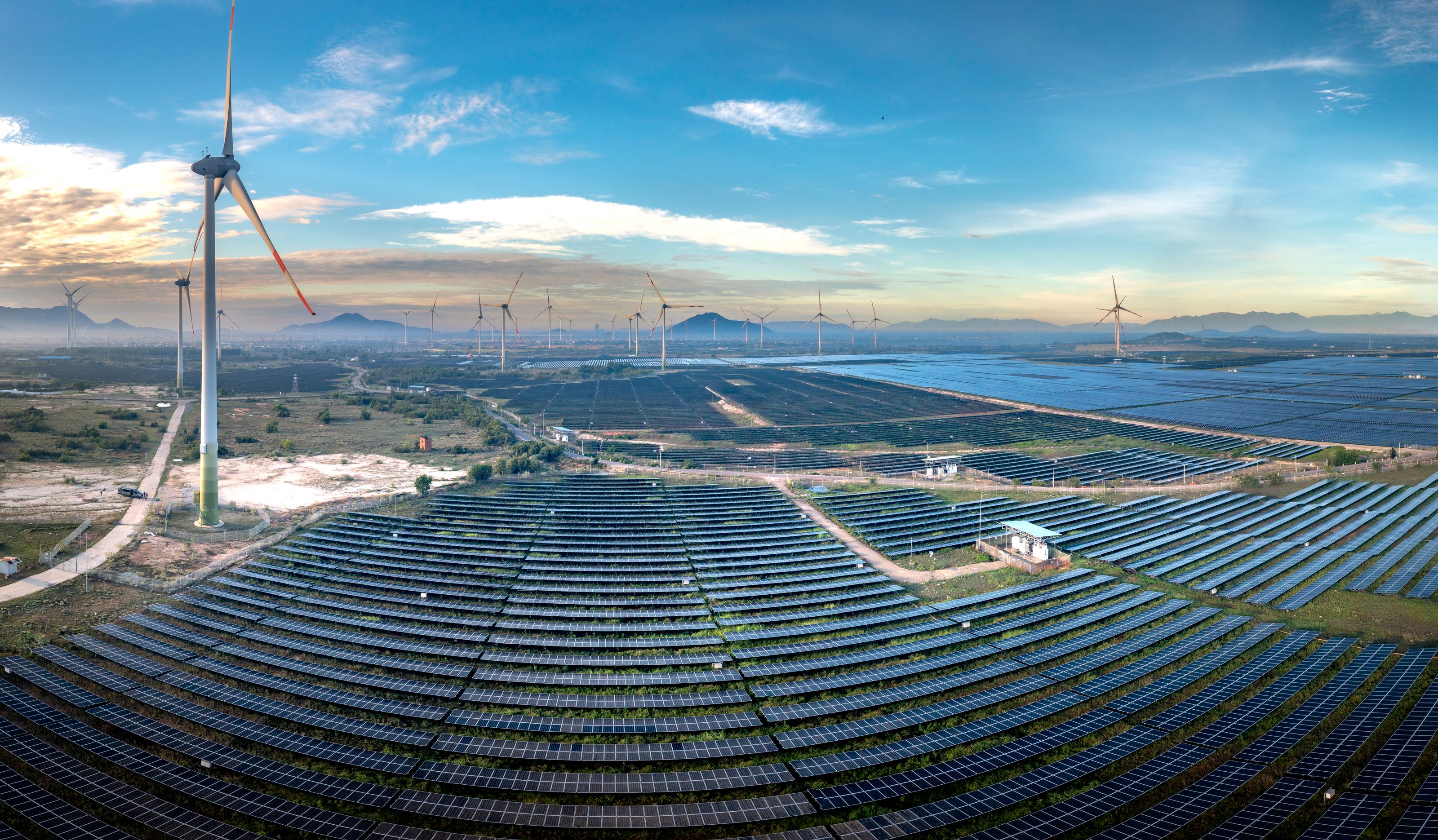
In the first quarter of 2026, solar and energy storage accounted for an unprecedented 91 percent of all new utility-scale power capacity added to the US grid. The nation installed 7.8 gigawatts of solar capacity, pushing the US past 6 million cumulative installations despite volatile regulatory conditions. At the same time, battery installations soared to 9.7 gigawatt-hours, marking the largest Q1 deployment in history with a 32 percent year-over-year increase. Fossil fuels did not just lose ground, they were functionally locked out of the expansion pipeline.
This record-breaking surge represents a permanent structural shift in American infrastructure, driven by mature project economics and post-Inflation Reduction Act momentum. The old era of climate tech investing, which focused on driving down the cost of physical solar panels and lithium-ion cells, has reached its logical conclusion. Hardware is now a cheap commodity, and the sheer volume of intermittent generation is pushing the existing grid to its physical limits. The bottleneck is no longer how much power we can generate, but how we route and balance it in real time.
Modern grids were designed for centralized, predictable fossil fuel plants, not millions of decentralized solar arrays and batteries. In Q1 2026, the utility-scale battery market alone grew to 7.8 gigawatt-hours across states like Texas and California, creating massive localized congestion. This structural mismatch is fueling a surge in demand for grid-enhancing technologies, or GETs, which can dynamically adjust power lines to prevent overloads. Startups building software for active network management and virtual power plants are finding a ready market of desperate utility operators.
For climate tech venture capitalists, the investment thesis is rapidly pivoting from hardware manufacturing to software-driven orchestration. Building a better solar panel is a low-margin capital trap, but writing the algorithmic layers that control battery discharge is highly scalable. Founders who focus on machine learning systems that predict localized grid strain or coordinate distributed energy resources are capturing premium valuations. The value in the energy transition has officially migrated from the physical asset to the digital intelligence layer managing it.
Over the next 12 months, this influx of intermittent power will force regulators to streamline the interconnection queues that currently stall multi-gigawatt projects. We will see the first major utility deployments of autonomous, AI-driven grid dispatch engines designed to replace human operators in managing volatile battery fleets. The startups that succeed will not be those selling cheaper cells, but those proving they can keep the lights on during localized demand spikes. Software is finally eating the electric grid, and the transition will be faster than anyone anticipated.
 The Future FrontBe on the cover.Twice a month we put the people shaping what's next on our cover.Apply for the cover




