Software Is Finally Eating the $16 Billion Robot
The merging of IT and operational technology is turning rigid industrial hardware into flexible, software-defined platforms.
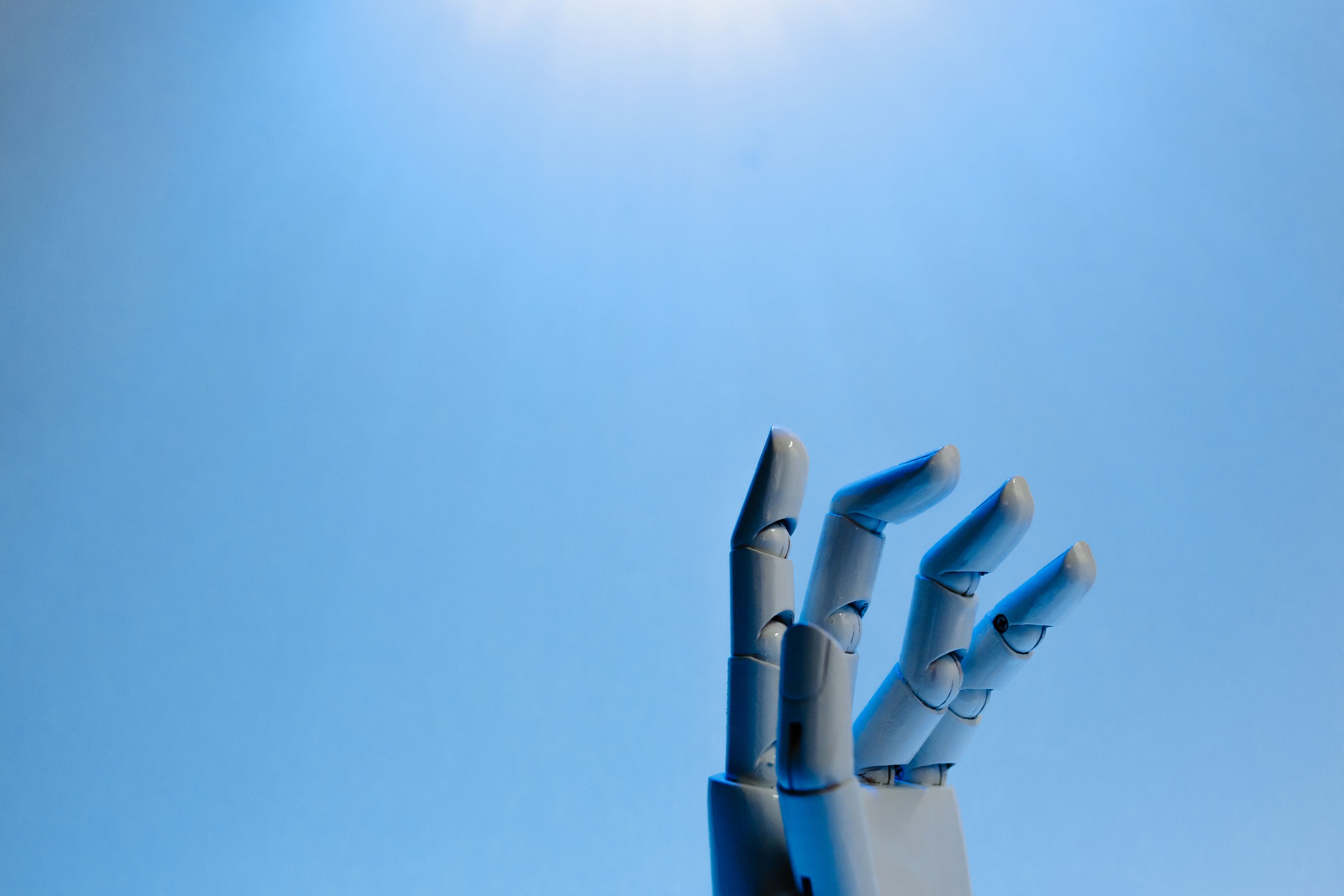
The global market for industrial robot installations has officially hit an all-time high of 16.7 billion dollars, but the real revolution is not in the steel. According to the International Federation of Robotics, the defining shift of 2026 is the rapid convergence of information technology and operational technology on the factory floor. This is not just another hardware upgrade cycle. It is a fundamental software transition that turns heavy machinery into API-driven devices.
Historically, industrial robots operated in highly isolated silos, running proprietary code written decades ago. This rigid operational technology environment made reprogramming incredibly expensive and locked manufacturers into single-purpose automation. By bridging this gap with modern enterprise software, factory operators are suddenly gaining real-time data exchange and advanced analytics. The market demand for legacy systems is collapsing as buyers realize they need versatile, programmable fleets instead of static machinery.
The latest data from the IFR highlights that this IT and OT integration is the core enabler for the next generation of physical artificial intelligence. The report identifies robotic versatility as the primary purchasing driver, prompting a massive wave of venture funding into software-first robotics startups. Instead of competing on mechanical hardware, these newer players are building hardware-agnostic operating systems that can deploy across diverse factory fleets. By treating physical robots as edge compute nodes, these platforms allow operators to push over-the-air updates that instantly adapt to new manufacturing tasks.
For venture capitalists and founders, this structural shift completely changes the valuation metrics of the entire automation sector. The margin profile of industrial robotics is transitioning from low-margin hardware manufacturing to highly scalable, recurring software subscriptions. Startups that focus on interoperability and unified orchestration layers are rapidly capturing market share from legacy industrial giants who refuse to adapt. The winners of this cycle will not be companies that weld the strongest robotic arms, but those that write the most adaptable orchestration software.
Over the next twelve months, we will see the first widespread commercial deployments of multi-task robots capable of dynamic reprogramming without manual intervention. Legacy industrial giants will be forced to open their proprietary ecosystems or risk rapid obsolescence as customers demand open APIs. Software-defined robotics will transition from experimental pilot programs to the standard operational baseline for global supply chains. The advanced factories of 2027 will look less like mechanical assembly lines and more like physically embodied server farms.
 The Future FrontBe on the cover.Twice a month we put the people shaping what's next on our cover.Apply for the cover




