Silicon Valley Is Hijacking the Factory Floor
The International Federation of Robotics says the era of rigid hardware is over, ushering in software-defined machines that learn on the fly.

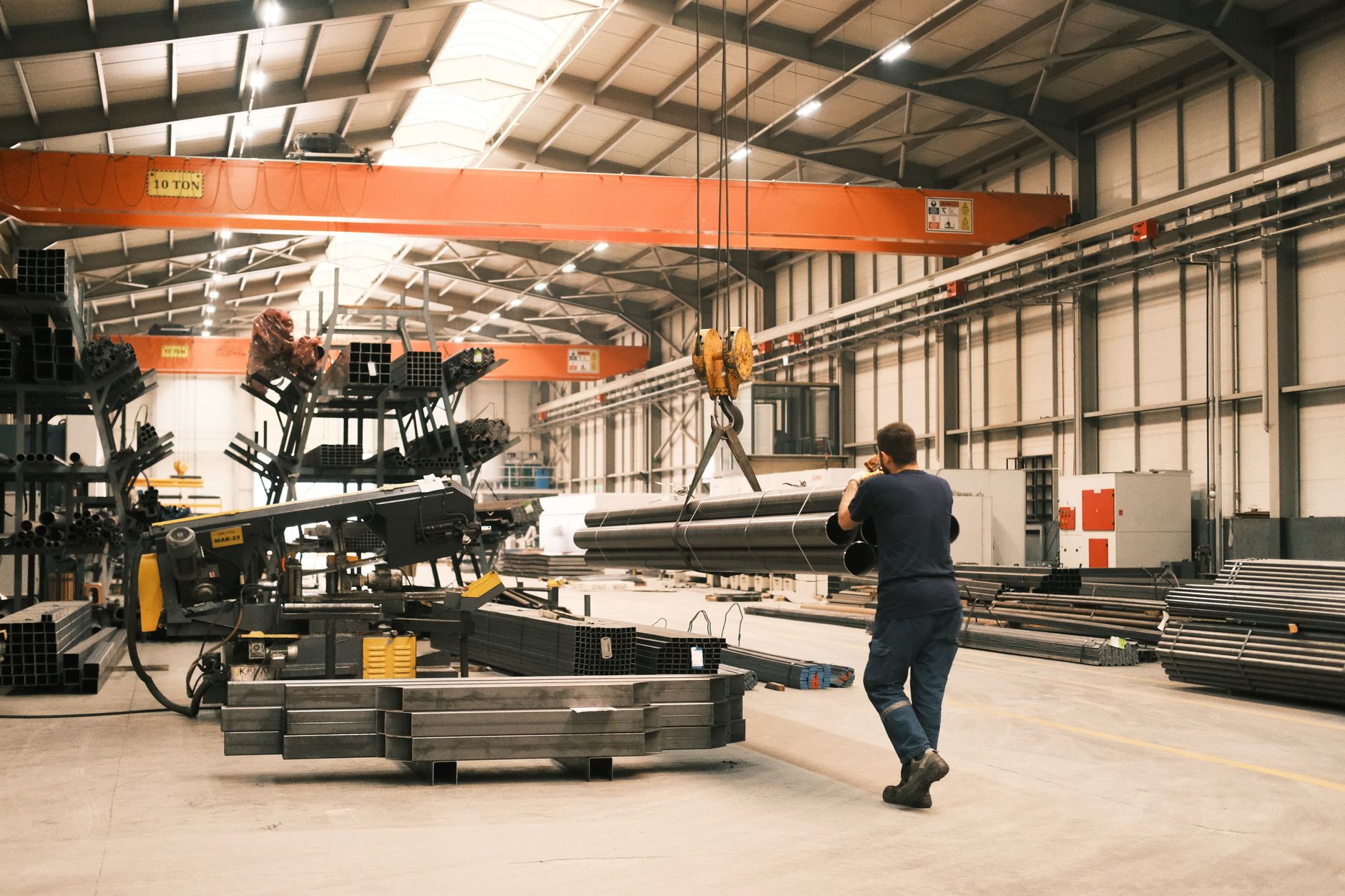
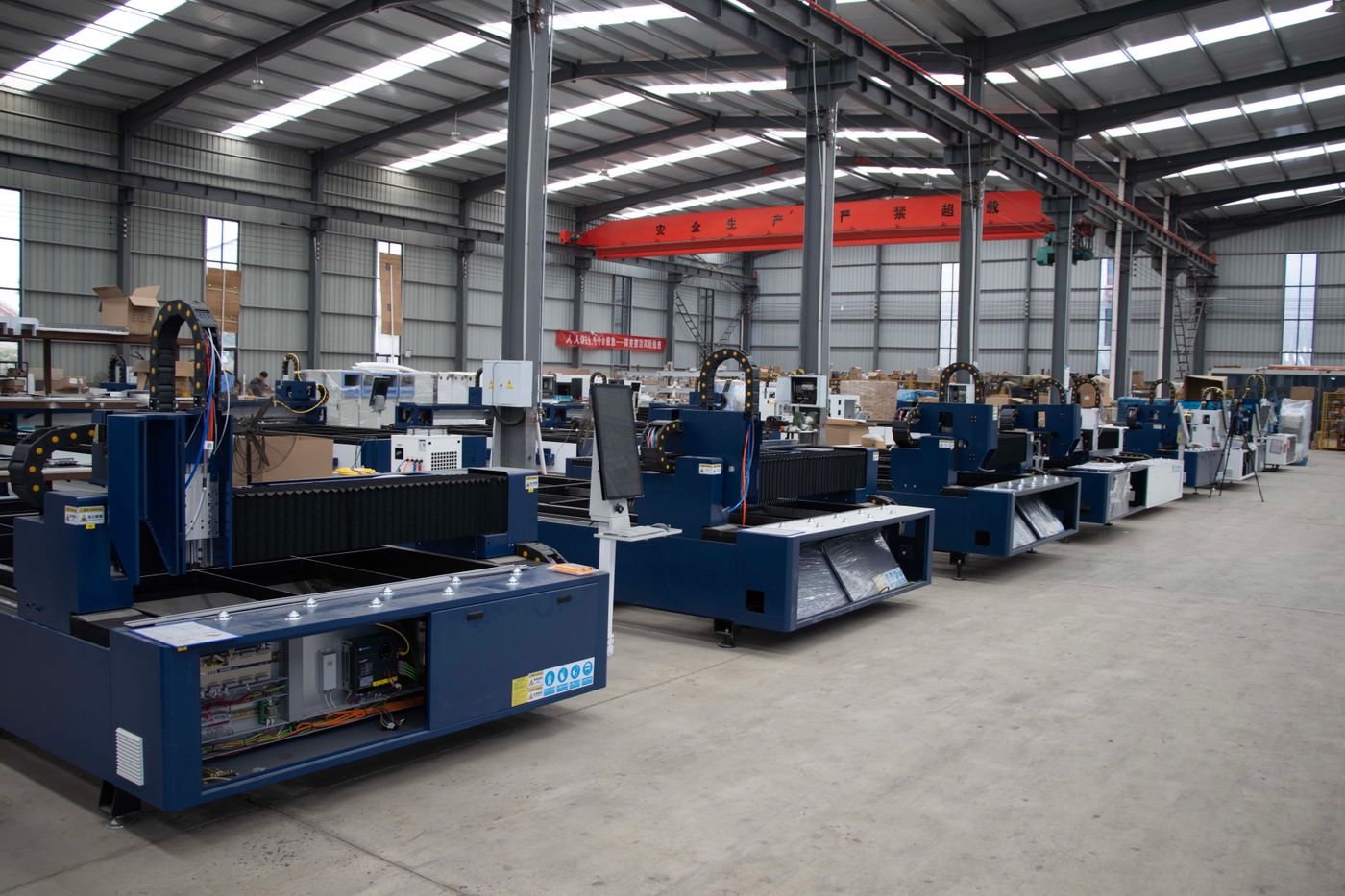
The International Federation of Robotics reports that the traditional barrier between factory floor machinery and enterprise software has completely collapsed. For decades, industrial automation relied on rigid, single-purpose machines programmed to perform a solitary task millions of times without deviation. Today, the rapid convergence of Information Technology and Operational Technology is turning heavy machinery into agile, software-defined platforms. This shift marks the definitive end of the hardware-first era in physical automation, forcing a complete rebuild of industrial infrastructure.
The urgency behind this transition is driven by a severe global labor crunch and volatile supply chains that punish inflexible manufacturing operations. Manufacturers can no longer afford to spend months reprogramming robotic arms every time a product line shifts or a new component is introduced. By merging cloud-based data processing with real-time physical control, modern systems can adapt to new workflows in minutes rather than weeks. This means the physical world is finally adopting the continuous deployment cycle of modern software.
Industry data highlights that the global demand for versatile, multi-task robots is outpacing rigid, static systems for the first time. According to the latest IFR strategic outlook, the integration of agentic AI allows robots to safely navigate unpredictable environments without expensive manual coding. This is exemplified by the sudden rise of general-purpose humanoids and adaptable manipulators currently being trialed across global logistics hubs. These machines are not valued for their custom mechanical gears, but for the proprietary neural networks driving their real-time physical decisions.
For robotics founders and venture capitalists, this paradigm shift completely redefines how venture value is created and captured. Capital expenditure is shifting rapidly from expensive, low-margin mechanical engineering to highly scalable software licensing models. Investors are increasingly penalizing hardware startups that lack a proprietary software moat or a robust cloud-to-edge developer ecosystem. Success in this new landscape belongs to teams that build flexible operating systems capable of orchestrating diverse fleets of third-party hardware.
Over the next twelve months, we will witness the first true software-only robotics platforms secure massive, multi-site enterprise deployment contracts. Legacy hardware giants will be forced to open their proprietary APIs or face rapid obsolescence as industrial customers demand cross-platform compatibility. Startups that prioritize adaptable, API-first physical AI will capture the lion's share of market interest, proving that the factories of the future will be defined by code, not steel.
 The Future FrontBe on the cover.Twice a month we put the people shaping what's next on our cover.Apply for the cover