Silicon Beats Policy: Why Solar Is Crushing Tariffs
Despite aggressive trade tariffs and shifting tax rules, utility-scale solar is crushing records and proving policy is no match for physics.
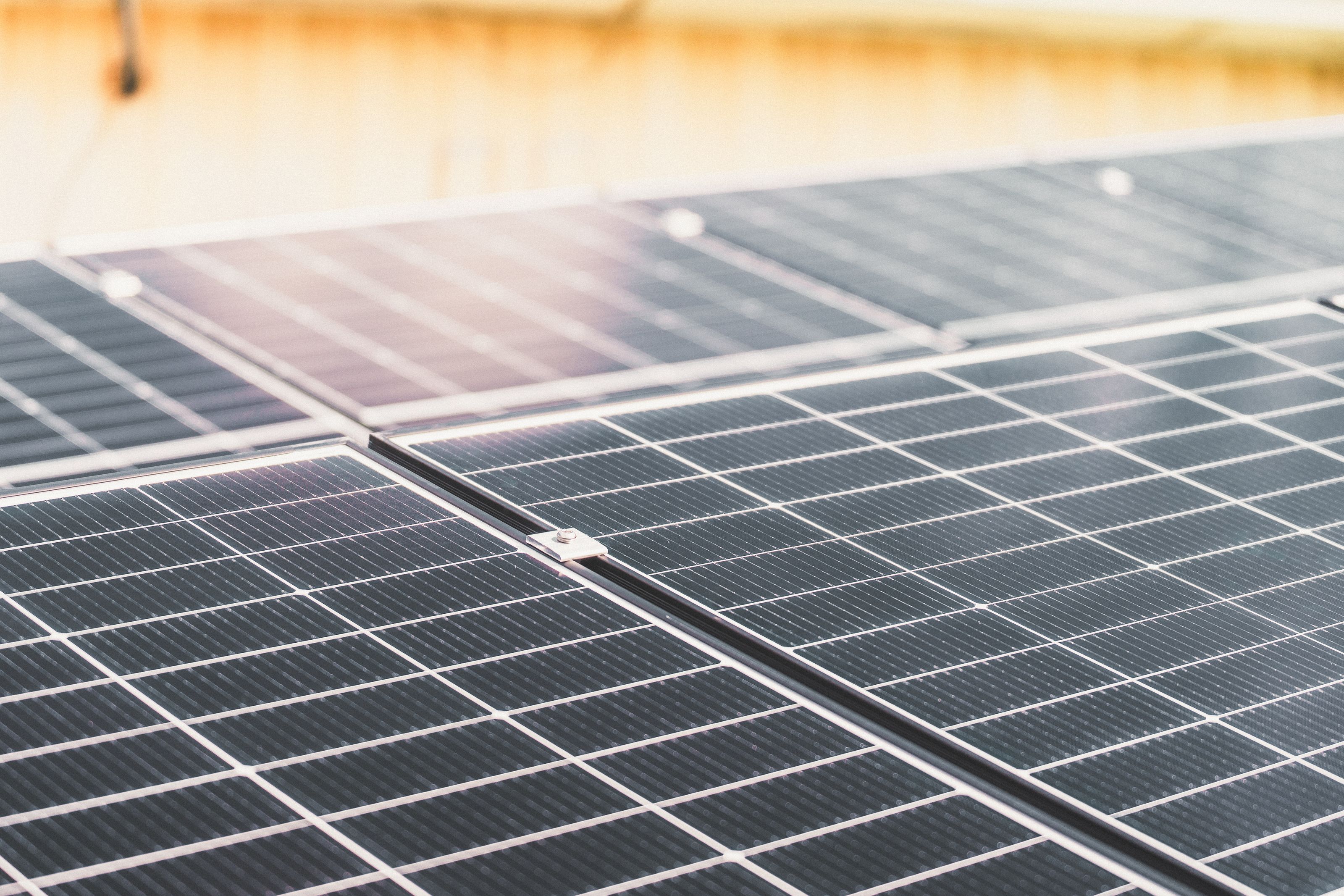
In 2020, the United States celebrated a historic milestone when annual utility-scale solar installations topped 10,000 megawatts for the first time. By the close of 2026, that once-unthinkable figure has quadrupled, with developers deploying over 40,000 megawatts in a single year despite severe regulatory headwinds. This massive surge reveals a fundamental shift in energy economics. Hardware cost declines and raw demand are now officially outrunning the political friction of trade tariffs and shifting tax incentives.
This resilience comes at a critical juncture as geopolitical tensions and domestic manufacturing mandates threaten supply chains. Import tariffs on panels were designed to protect local manufacturing, but they also introduced severe procurement bottlenecks and cost hikes for developers. Yet the sheer scale of private market demand, fueled heavily by energy-hungry AI data centers, has forced the industry to adapt rather than stall. Clean tech developers are simply absorbing the friction, proof that utility-scale solar has achieved permanent economic escape velocity.
The hard numbers highlight this unstoppable momentum, especially in deregulated markets. Texas alone led the nation by pairing massive solar arrays with battery storage, making solar-plus-storage the default architecture for new grid connections. Meanwhile, fossil fuels are not vanishing overnight, as natural gas is projected to maintain a steady 40 percent market share through 2027 to provide grid stability. This prolonged transition phase means solar must continue its rapid scaling to meet the electrification needs of the next decade.
For climate tech founders and venture capitalists, the takeaway is clear. Betting on regulatory favors or tax subsidies is a fragile strategy, but building raw hardware efficiency is an enduring shield. Startups that focus on mitigating soft costs, automating installation labor, and solving interconnection delays will capture the next wave of value. The winners of this energy transition will not be those who lobby the hardest, but those who engineer the cheapest path to connection.
Looking ahead to 2027, developers are already planning to smash existing records by installing nearly 43,000 megawatts of new solar capacity. Over the next twelve months, the primary bottleneck will shift from panel procurement to grid interconnection queues and labor shortages. Expect to see a wave of venture funding pour into automation startups designed to speed up physical construction. As the grid struggles to keep pace with demand, the software and robotics that accelerate deployment will become the industry's most valuable commodities.
 The Future FrontBe on the cover.Twice a month we put the people shaping what's next on our cover.Apply for the cover




