Robots Find a New Home Outside the Auto Factory
A quiet diversification in North American robotics orders signals the end of Detroit's monopoly on industrial automation.
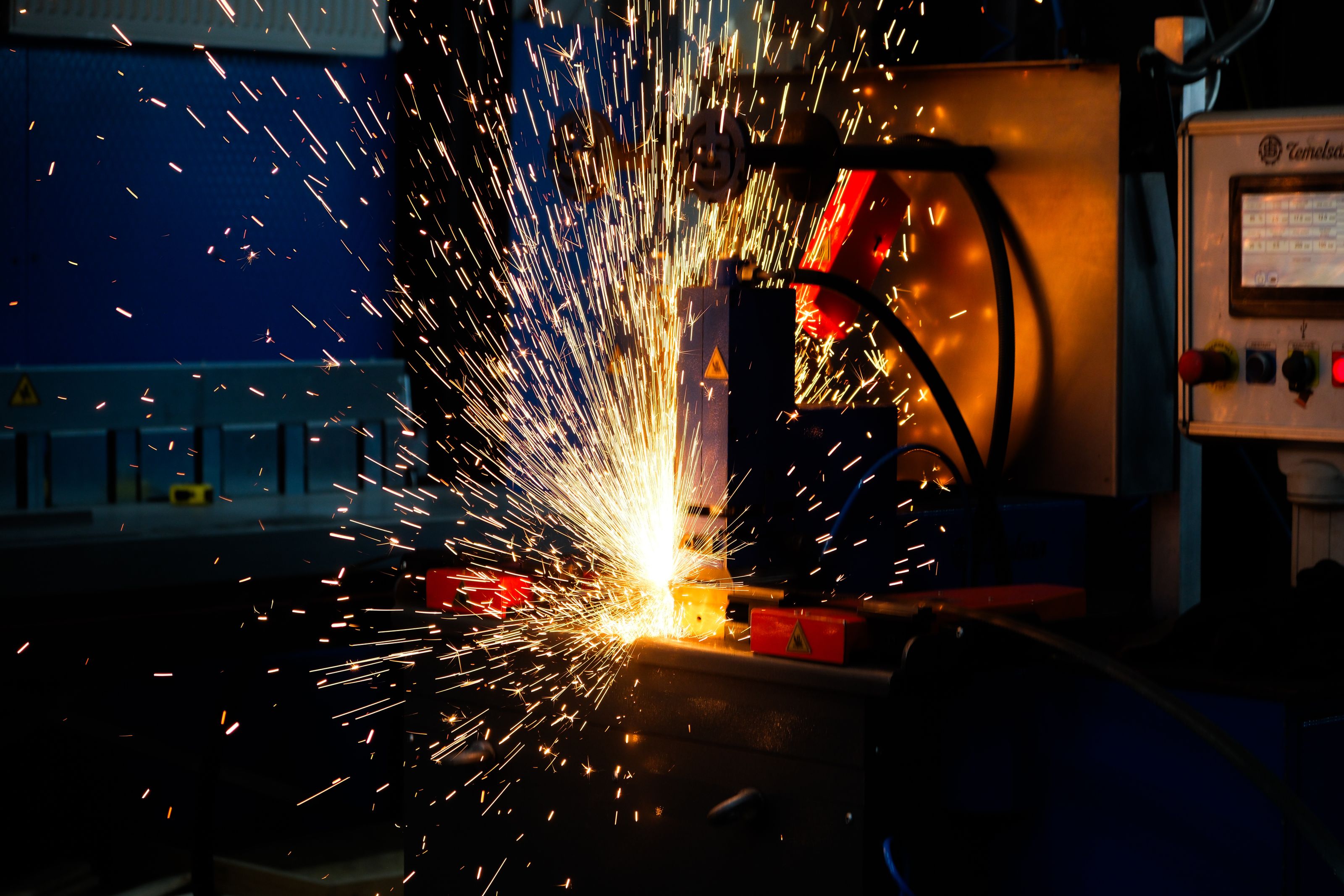
North American companies ordered 9,055 robots valued at $543 million in the first quarter of 2026, signaling a major structural shift in industrial automation. While the overall unit volume dipped by a microscopic 0.1 percent, the underlying composition of these purchases has radically transformed. Traditional automotive dominance is rapidly giving way to a decentralized wave of automation across previously untouched sectors. This is no longer a temporary trend, but a permanent recalibration of industrial labor. This newfound stability in the face of a cyclical automotive slowdown proves that robotics has finally outgrown its single-industry dependency.
For decades, the economic health of the robotics market was tethered directly to Detroit's capital expenditure cycles. Whenever automotive giants paused factory retooling, robotics manufacturers faced severe revenue droughts. This quarter, however, surging demand in non-automotive sectors successfully insulated the industry from a significant automotive purchasing slowdown. The maturation of flexible, collaborative systems has democratized access, allowing a broader class of enterprises to adopt automation. The traditional factories of the past are rapidly being replaced by dynamic, software-enabled environments.
According to data from the Association for Advancing Automation, industries like life sciences, electronics, and food production are driving this diversification. Collaborative robot orders in particular skyrocketed by 55.6 percent in Q1, highlighting a market preference for adaptable, human-adjacent machines. These sectors face chronic labor shortages and strict regulatory pressures that cannot be solved by temporary hiring spikes. Consequently, automation has transitioned from an experimental luxury to a permanent operational baseline.
This diversification represents an unprecedented opportunity for venture capital investors and hardware-focused startups. Historically, founders avoided the robotics sector due to notoriously long enterprise sales cycles and a heavy reliance on a handful of automotive buyers. Today, specialized software-differentiated platforms targeting specific niches like laboratory automation or agricultural sorting can scale rapidly. Because these new non-automotive buyers lack large in-house engineering departments, they are highly willing to pay a premium for turnkey, zero-code automation systems.
Over the next twelve months, collaborative robots are on track to capture more than a quarter of all North American robot orders. As artificial intelligence models designed for physical manipulation begin migrating to production lines, the complexity of tasks these machines can perform will increase exponentially. Startups that focus on building intelligent, industry-specific workflows rather than proprietary hardware will be the ones that dominate this new paradigm. The automation market is no longer waiting on Detroit, and neither should investors.
 The Future FrontBe on the cover.Twice a month we put the people shaping what's next on our cover.Apply for the cover




