RobCo Hits $1B as Modular Robots Tackle Factory Shortages
Industrial automation is moving from rigid car assembly lines to flexible SME factories, turning Munich's RobCo into Europe's newest robotics unicorn.
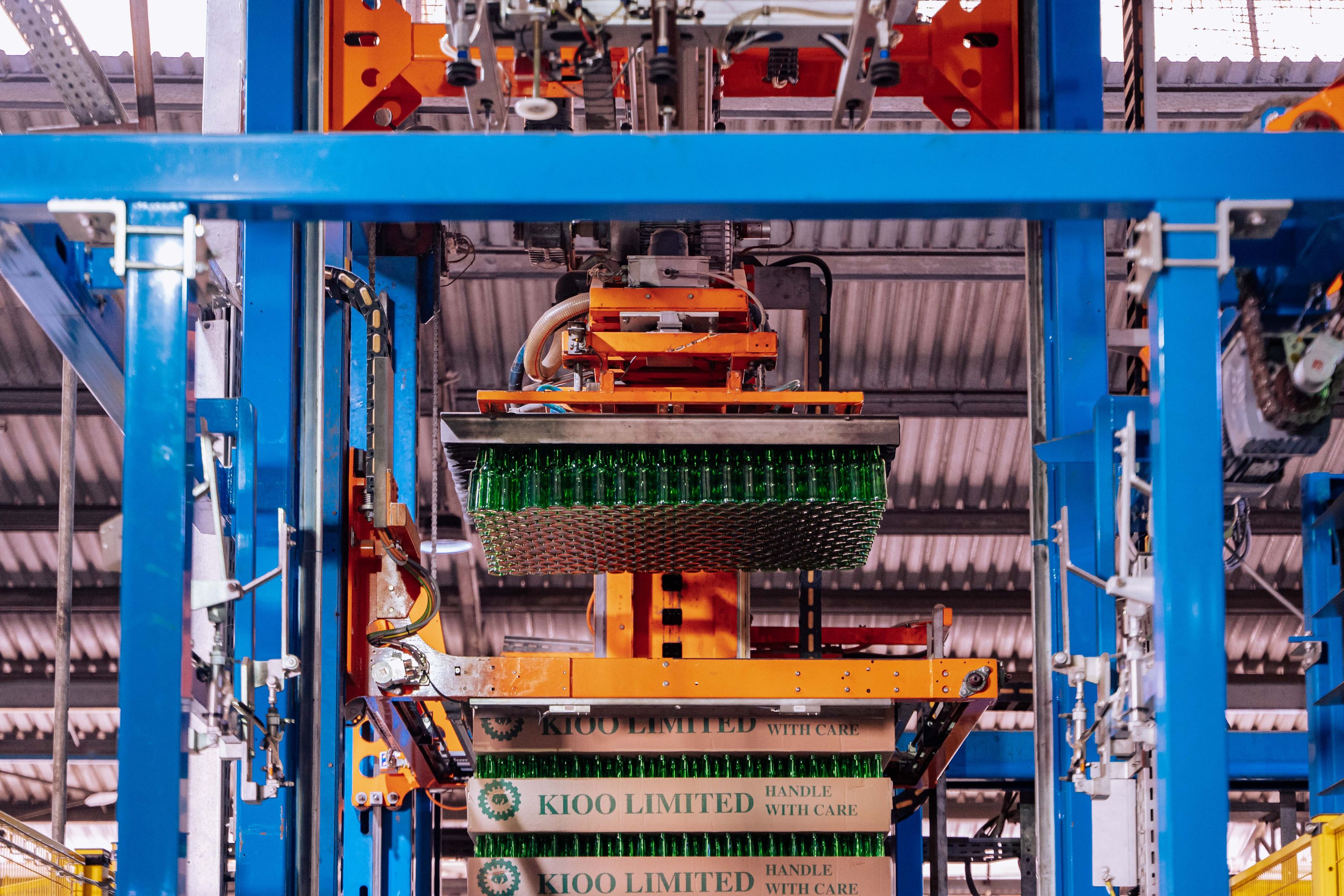
Munich-based RobCo has doubled its valuation in just nine months to cross the $1 billion mark, becoming Europe's newest robotics unicorn. Backed by Sequoia Capital and Lightspeed, the industrial startup paired new growth funding with a $40 million secondary share sale for early employees. The valuation surge highlights a profound shift in global manufacturing demand away from rigid multi-million-dollar installations toward adaptable, autonomous systems. As small and medium enterprises struggle with severe labor deficits, modular automation has moved from a luxury to an operational necessity.
Traditional factory automation was built for high-volume automotive assembly lines, requiring massive upfront capital and months of custom software engineering. RobCo targets the long tail of mid-sized manufacturers that cannot afford dedicated automation teams or single-purpose machinery. By offering modular, AI-powered industrial robot arms, the German firm enables factory managers to reconfigure hardware for new tasks in hours rather than weeks. This flexibility directly addresses the persistent structural worker shortages plaguing European and North American industrial hubs.
Global momentum in factory robotics is accelerating sharply to meet this mid-market demand. The International Federation of Robotics reported that global factory installations reached 603,000 units in 2025, pushing total operational stock past 5 million active robots worldwide. Annual installations are projected to climb another 9 percent in 2026 to reach 655,000 units. Venture capital investors are aggressively backing solutions like RobCo that can plug immediately into these growing assembly environments without requiring expensive overhaul of existing facilities.
The $1 billion benchmark signals that robotics venture investment is migrating from experimental humanoid prototypes to pragmatic, revenue-generating factory tools. For founders, RobCo offers a blueprint for scaling hardware by combining software flexibility with localized assembly. The company is actively shifting its primary expansion engine to the United States, setting up assembly operations in Austin, Texas, alongside a research lab in San Francisco. This transatlantic pivot demonstrates how European deep-tech startups must capture American industrial markets to sustain software-like valuation multiples.
Over the next twelve months, the deployment of fully autonomous systems will face its biggest practical test as RobCo commercially launches Alfie, its next-generation industrial robot, in 2027. Competitors and legacy suppliers will be forced to respond with their own modular, AI-driven offerings or risk losing mid-market clients entirely. As factory managers prioritize fast deployment over legacy brand names, hardware startups with software-first architectures will capture the lion's share of new industrial spending. The era of static, single-task industrial machinery is officially coming to an end.
 The Future FrontBe on the cover.Twice a month we put the people shaping what's next on our cover.Apply for the cover




