Renewables Decouple from Politics as 4.5 Terawatts Near
BloombergNEF forecasts 4.5 terawatts of new wind and solar by 2030, proving market economics outweigh geopolitical friction.
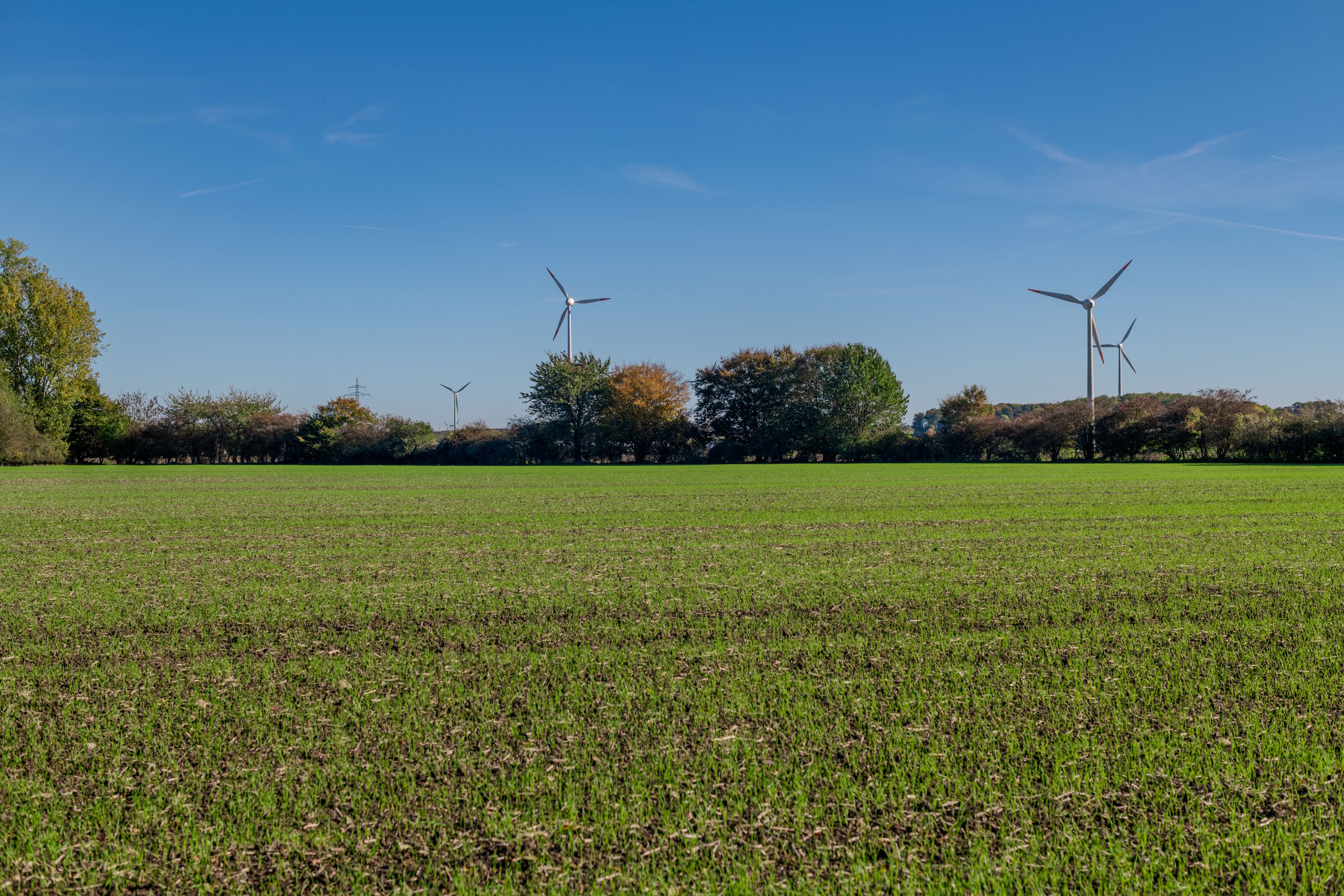
Global energy transition investments reached a record $2.3 trillion in 2025, but the market's true acceleration is only now beginning. New research from BloombergNEF projects that 4.5 terawatts of wind and solar capacity will come online globally over the next five years. That represents a staggering 67% increase compared to deployment rates seen during the preceding five-year stretch. Low generation costs have permanently decoupled renewable deployment from shifting political sentiment, converting clean power into an aggressive commercial imperative across every major economy.
Severe trade fragmentation and complex regulatory barriers were widely expected to cripple clean energy expansion across western markets. Instead, exponential power demand spikes from artificial intelligence data centers and widespread electric vehicle adoption have generated relentless market pull. Even inside the United States, where policy shifts have moved away from direct federal clean energy support, deployment remains stubbornly resilient. The US is still projected to install 336 gigawatts of wind, solar, and energy storage between 2026 and 2030, marking a 24% gain over the prior five years.
The underlying financial data underlines why private capital continues to pour into low-carbon infrastructure regardless of political headwinds. Electric vehicles and solar power together accounted for 55% of total clean energy investment last year, anchored by massive supply chain expansion across Asia. China alone drove 49% of global battery EV investment in 2024 while building 1.8 million charging points, surpassing the rest of the world combined. When baseline generation costs drop below fossil alternatives, raw market forces overpower administrative drag every single time.
For climate tech founders and venture investors, this tidal wave of new generation shifts the core problem from energy creation to grid integration. Adding terawatts of variable power onto fragile, legacy electricity grids creates massive bottlenecks, curtailment risks, and frequency instability. The premier investment thesis for the late 2020s lies not in basic power hardware, but in software intelligence, advanced transmission lines, and flexible energy storage. Venture capital will rapidly pivot away from basic generation models to fund high-margin grid orchestration and distribution technology.
Over the next 12 months, the global energy transition will pivot from a broad capacity buildout to a high-stakes race for grid interconnection. Tech giants operating power-hungry AI data centers will aggressively lock down direct renewable energy purchase agreements, forcing utility regulators to expedite transmission queue approvals. Startups addressing high-voltage equipment shortages, virtual power plant management, and long-duration battery chemistry will land the largest growth rounds. Corporate demand has officially taken the steering wheel from government policymakers, guaranteeing that the clean energy surge moves forward uninterrupted.
 The Future FrontBe on the cover.Twice a month we put the people shaping what's next on our cover.Apply for the cover




