Renewables Are Winning on Cost. The Data Proves It.
IRENA's latest report shows firm renewables now undercut new coal and gas on cost, and the implications for energy founders and investors are immediate.
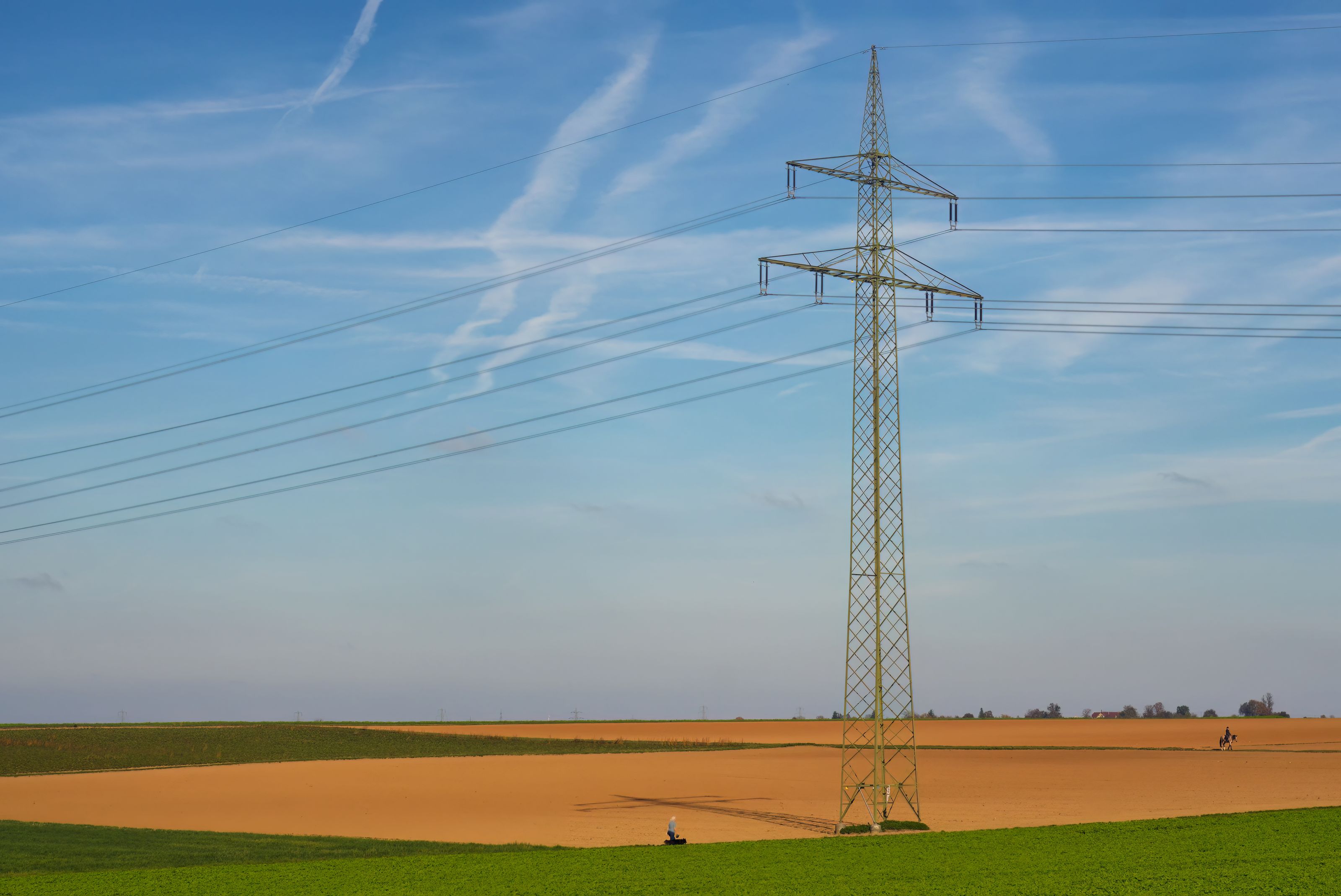
The energy transition just got a harder edge. IRENA's freshly released analysis on 24/7 renewables confirms what many in clean energy have argued but struggled to prove at scale: renewables paired with storage are now cost-competitive with fossil fuels for round-the-clock power delivery. Firm renewables, meaning solar and wind systems built with firming capacity like batteries and grid-balancing tools, already undercut the levelised cost of new coal and gas plants across many global markets. This is not a projection. It is current, measured data from one of the most credible energy institutions on the planet.
The timing of this report matters as much as its contents. Mid-2026 finds investor confidence in clean energy facing genuine headwinds, driven largely by U.S. policy rollbacks that have injected uncertainty into domestic clean power markets. Against that backdrop, independent global data from IRENA carries serious weight. It shifts the conversation away from political risk and back to fundamentals, where renewables are quietly compounding their structural advantage over fossil fuel economics.
IRENA's analysis is explicit about the mechanism. Integrating higher shares of renewables is not governed by a single cost component, but by the optimisation of a portfolio of flexibility solutions tailored to different time scales. In plain terms, the system works because it is designed to work, not because any single technology has become cheap enough to carry the load alone. The report also flags that firm renewable electricity systems are already delivering multiple system-wide benefits: lowering overall system costs, reducing exposure to price volatility, and improving reliability. The economics are no longer theoretical.
For founders building in energy transition, this data validates the infrastructure layer. Grid software, long-duration storage, demand flexibility platforms and hybrid asset management tools are not speculative bets on a future market. They are picks-and-shovels for a transition that is already commercially underway. For investors, the IRENA findings should accelerate capital reallocation away from fossil-fuel-adjacent projects. When firm renewables beat new coal and gas on cost and reliability, the risk-adjusted case for fossil fuel infrastructure weakens materially, and fast.
The next twelve months will test whether capital follows the data. IRENA's report concludes that the pace of deployment of firm renewable electricity systems will be one of the most consequential factors shaping the global energy transition in the coming decade. That framing puts pressure on investors to act before the deployment curve steepens further and entry costs rise. Founders who have spent the last two years building in a headwind may find the market turning sharply in their favour, not because of policy tailwinds, but because the numbers finally speak for themselves.
 The Future FrontBe on the cover.Twice a month we put the people shaping what's next on our cover.Apply for the cover




