Remote Work Settles Into a Permanent Tech Divide
New workforce data shows computer roles sitting at 68 percent telework while service sectors remain in-person, ending blanket office mandates.

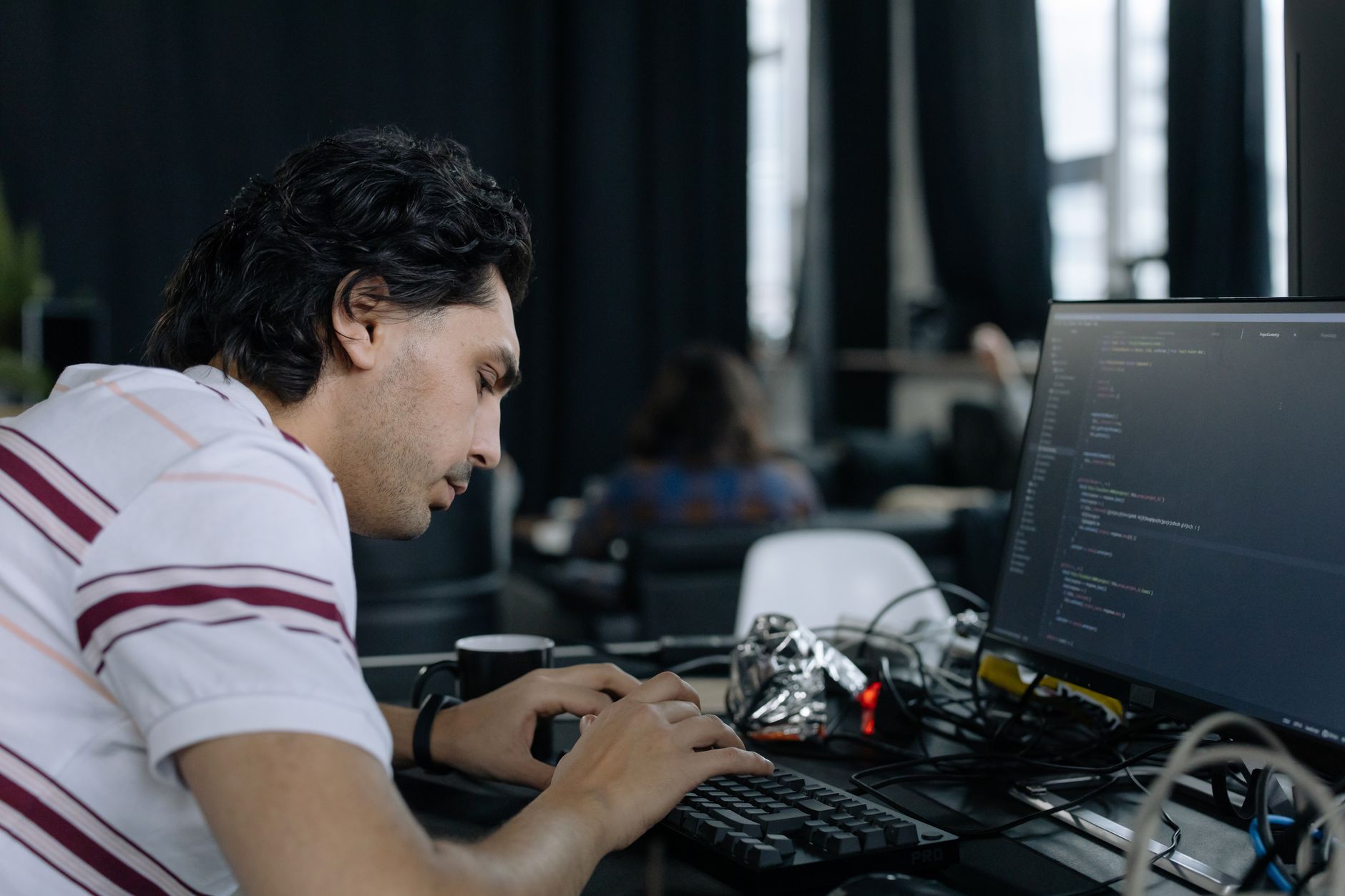
Data from the Bureau of Labor Statistics shows the national telework rate in the United States settled at 21.9 percent in September 2026, down slightly from 22.6 percent in March, solidifying a multi-year plateau. According to workplace data analysis by researcher Arthur Gluzman, this national aggregate masks a profound occupational divide across the modern economy. While computer and mathematics roles post a telework rate of 68.5 percent, frontline service sectors such as food preparation sit at less than 1.5 percent, illustrating a nearly 50-fold gap in remote accessibility. The figures confirm that the broader debate over remote work has moved past whether corporate America will ever fully return to physical desks. Instead, remote capability has become strictly defined by technical job function and digital workflow density.
This sharp divergence marks the definitive end of uniform, top-down corporate workplace mandates. Research tracked by Stanford economist Nick Bloom confirms that roughly one in four paid workdays in the United States now takes place outside a traditional office building, a proportion that has remained virtually constant since early 2023. Early post-pandemic efforts by executive teams to enforce blanket five-day office mandates have systematically failed or resulted in quiet carve-outs for highly skilled technical personnel. As a result, organizations operating across software, sales, and physical operations now manage two radically different labor cultures under a single roof. Ignoring this functional reality creates friction between remote-enabled knowledge workers and desk-bound operational teams.
The structural divide reflects the operational realities of modern software infrastructure rather than arbitrary corporate preference. Figures published by Gallup show that 52 percent of remote-capable workers in the United States now operate under hybrid arrangements, while 26 percent remain completely remote and only 22 percent work full-time on-site. In high-skill software development and mathematics fields, overall telework adoption reaches nearly 92 percent, giving specialized engineers significant leverage to reject full-time office presence. Conversely, physical logistics, lab research, and hardware testing remain strictly tethered to concrete facilities, forcing management to address stark disparities in daily employee flexibility across departments.
For startup founders and venture investors, this functional bifurcation fundamentally alters capital allocation, hiring strategy, and real estate planning. Office square footage can no longer be calculated by applying a fixed multiplier to overall headcount, as software engineering teams require minimal physical infrastructure while hardware, biology, and logistics units require dedicated facilities. Competing for elite software talent now requires offering default flexibility as a baseline condition of employment, whereas physical operational roles demand different compensation structures to balance commuting burdens. Founders who attempt to impose identical attendance rules across engineering and physical operations risk damaging retention among their most mobile employees.
Over the next 12 months, workplace management will fully shift from geographic hub strategies toward function-specific operating frameworks. Commercial real estate portfolios will continue to shrink, with traditional office leases being replaced by smaller, project-focused hubs designed for periodic team gatherings rather than daily desk seating for software developers. Compensation models will also evolve to reflect functional mobility, establishing distinct equity and pay structures based on role flexibility rather than simple geographic zip codes. Leaders who embrace these permanent occupational realities and build tailored operating structures will secure a clear talent advantage over competitors still pushing uniform mandates.
 The Future FrontBe on the cover.Twice a month we put the people shaping what's next on our cover.Apply for the cover