Real time optical probe guides bone cancer surgery
Qalam Health builds an AI intraoperative probe giving surgeons real-time margin feedback during bone cancer resections.
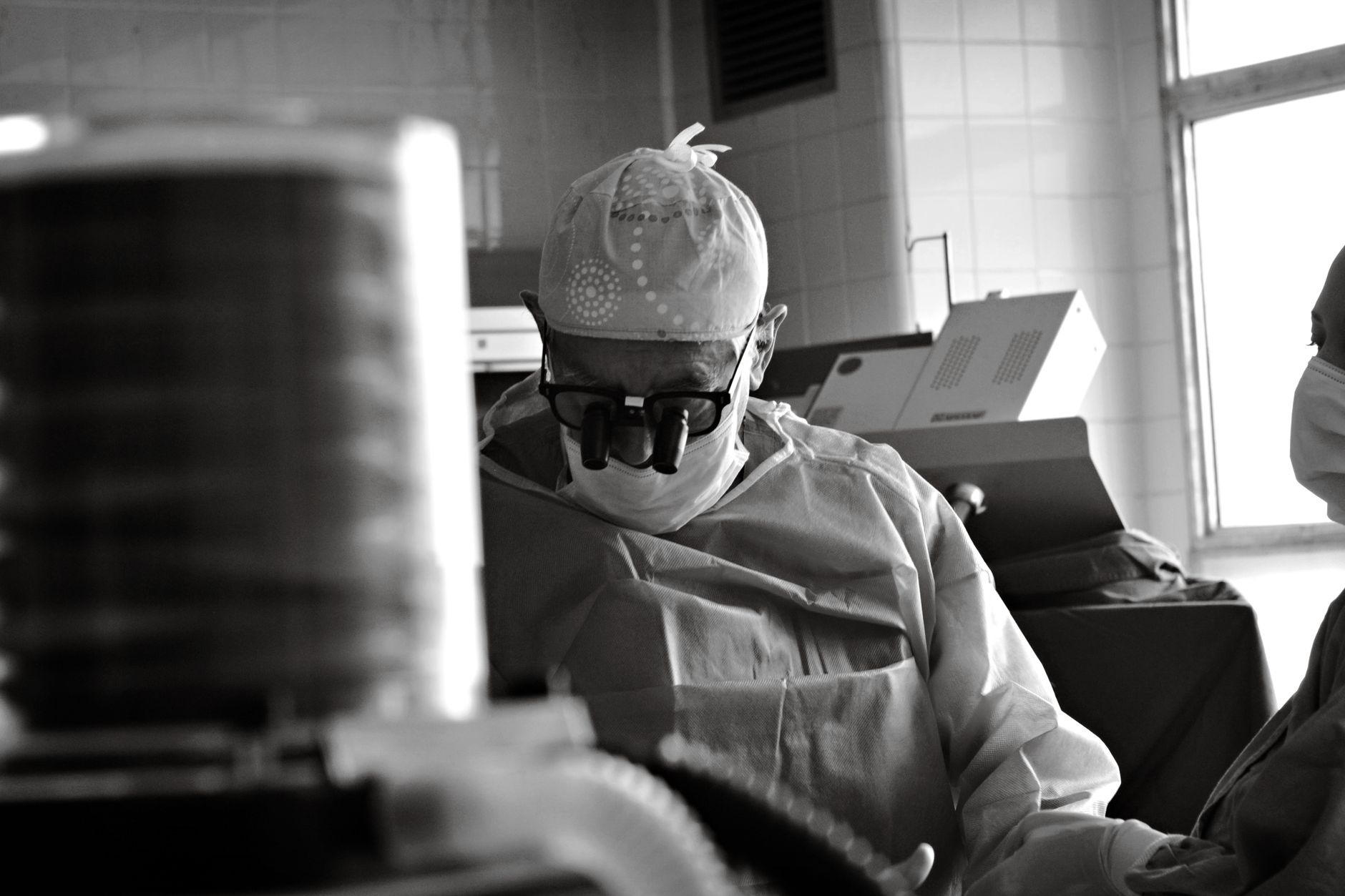
During bone cancer surgery, an orthopaedic surgeon faces a delicate balance between removing enough tissue to clear all cancer cells and preserving functional bone structure. For decades, surgical teams have relied primarily on visual judgment and physical tactile feedback while making resections inside the operating room. Microscopic residual cancer cells frequently remain invisible to the human eye, with full pathology verification taking days to process post-surgery. This lack of immediate margin guidance contributes to a forty percent bone cancer relapse rate and readmission costs reaching one hundred thousand dollars per patient.
Qalam Health was established in Montreal to give surgical teams instant clarity where precision matters most. Founded by Haitham Shoman, who serves as chief executive officer, the Canadian deep technology startup brings together medical specialists, optical scientists, and engineers. Working alongside Chief Medical Officer Ahmed Aoude, the team designed a medical device capable of evaluating tissue right at the edge of a resection. By combining advanced spectroscopy with artificial intelligence, the system offers real-time analysis directly to the surgical team before closing an incision.
The core technology centres on a handheld intraoperative probe designed to make microscopic cancer margins clearly identifiable during surgery. When applied to bone tissue inside the surgical field, the device gathers spectroscopic data and uses explainable artificial intelligence to evaluate the margin status. This immediate feedback helps surgeons remove remaining cancer cells without unnecessarily sacrificing healthy, functional bone. The technology transforms margin assessment from a delayed post-operative question into real-time guidance during complex oncologic resections.
The device is targeted at surgical fields where margin precision directly determines patient recovery outcomes. In orthopaedic oncology, preserving healthy bone determines whether a patient retains limb function after tumour removal. Beyond orthopaedic procedures, the intraoperative probe is designed for complex neurosurgery along the skull base, head and neck resections near critical neurovascular structures, and oral maxillofacial surgeries. In each of these delicate disciplines, avoiding excess tissue removal is essential to preserving patient aesthetics and bodily function.
Supported by medical incubators and academic innovation networks such as V1 Studio, Centech, and the Harvard Innovation Labs, Qalam Health has built a strong clinical foundation spanning research labs and operating rooms. The team's design prioritises explainable artificial intelligence, ensuring that operating surgeons understand the reasoning behind the real-time tissue evaluations. This focus on transparency helps clinical teams trust the probe output during high-stakes operations.
Looking ahead, Qalam Health will showcase its intraoperative intelligence system at Slush 2026 as it prepares for further clinical validation and testing. The company is working to make real-time margin assessment a standard part of oncologic bone surgery across the globe. By delivering immediate feedback in the operating theatre, the startup aims to reduce cancer recurrence, lower surgical complication rates, and help patients maintain their quality of life.
Find out more at qalamhealth.com
 The Future FrontBe on the cover.Twice a month we put the people shaping what's next on our cover.Apply for the cover