Physical AI Has Left the Lab. Now It Runs Factories.
RoboWeek 2026 made one thing clear: Physical AI is no longer a roadmap item. It is a present-tense industrial force, and capital is repositioning fast.
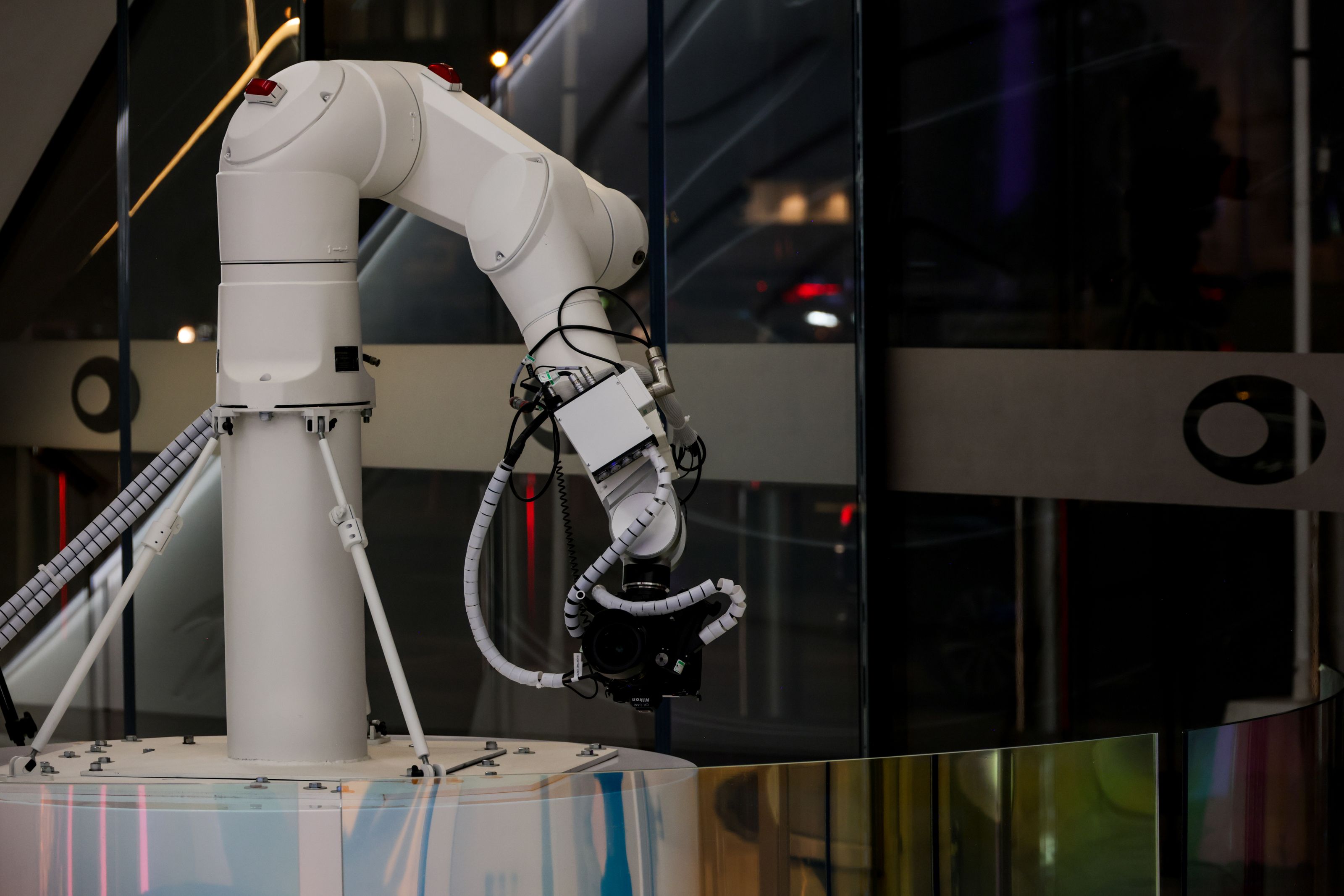
National Robotics Week 2026 drew participation across all 50 U.S. states, with more than 150 events ranging from industry conferences to grassroots LEGO clubs. That breadth is not just a feel-good metric. It signals a sector that has moved well past niche enthusiasm into mainstream industrial urgency. The headline theme this year was unambiguous: Physical AI, the integration of machine learning with embodied robotic systems, is actively reshaping how goods are made, moved, and managed. For founders and investors still treating this as an emerging category, that framing is already behind.
MassRobotics, the Boston-based robotics hub that anchors much of the U.S. ecosystem, used RoboWeek 2026 to make a pointed argument. Physical AI is not a future concept. It is a present-tense deployment reality on factory floors and in logistics networks right now. This distinction matters enormously for capital allocation. Investors who price robotics as pre-commercial are miscalibrating risk. The sector is in a scaling phase, not a development phase, and the window for early-stage positioning in enabling infrastructure is compressing accordingly.
The numbers support the urgency. The collaborative robotics market alone is on track for substantial growth through 2026, driven by manufacturing adoption and the declining cost of AI inference at the edge. RoboWeek sessions spotlighted concrete innovation benchmarks across logistics, operational efficiency, and precision manufacturing, areas where automation is delivering measurable output gains rather than pilot-stage promises. MassRobotics hosted hands-on workshops, coding challenges, and live demonstrations that served as a competitive intelligence layer for founders mapping where automation density is highest and where deployment gaps still exist.
The workforce dimension is where the story gets complicated, and honest. RoboWeek's stated mission includes inspiring the future workforce, a framing that acknowledges the displacement pressure Physical AI creates while positioning robotics as a net generator of technical roles. That tension is real. AI-driven automation compresses headcount in repetitive manufacturing tasks while simultaneously creating demand for robotics technicians, integration engineers, and AI trainers. Founders building in this space need a clear-eyed view of that dynamic, both because it shapes product-market fit and because regulatory and labor policy responses will follow deployment curves closely.
Over the next 12 months, expect the Physical AI conversation to shift from deployment proof points to performance benchmarking. As more factories go live with AI-driven automation, comparative data on throughput gains, defect rates, and total cost of ownership will start to surface, and that transparency will accelerate the next funding cycle. Investors will move from backing the category broadly to backing the operators with the strongest unit economics. Founders who can instrument their deployments and tell a data story, not just a capability story, will pull away from the field decisively.
 The Future FrontBe on the cover.Twice a month we put the people shaping what's next on our cover.Apply for the cover




