Nvidia's Software Bet Is Repricing the Chip Industry
Nvidia is no longer just a chipmaker, and the market is starting to price that in everywhere.
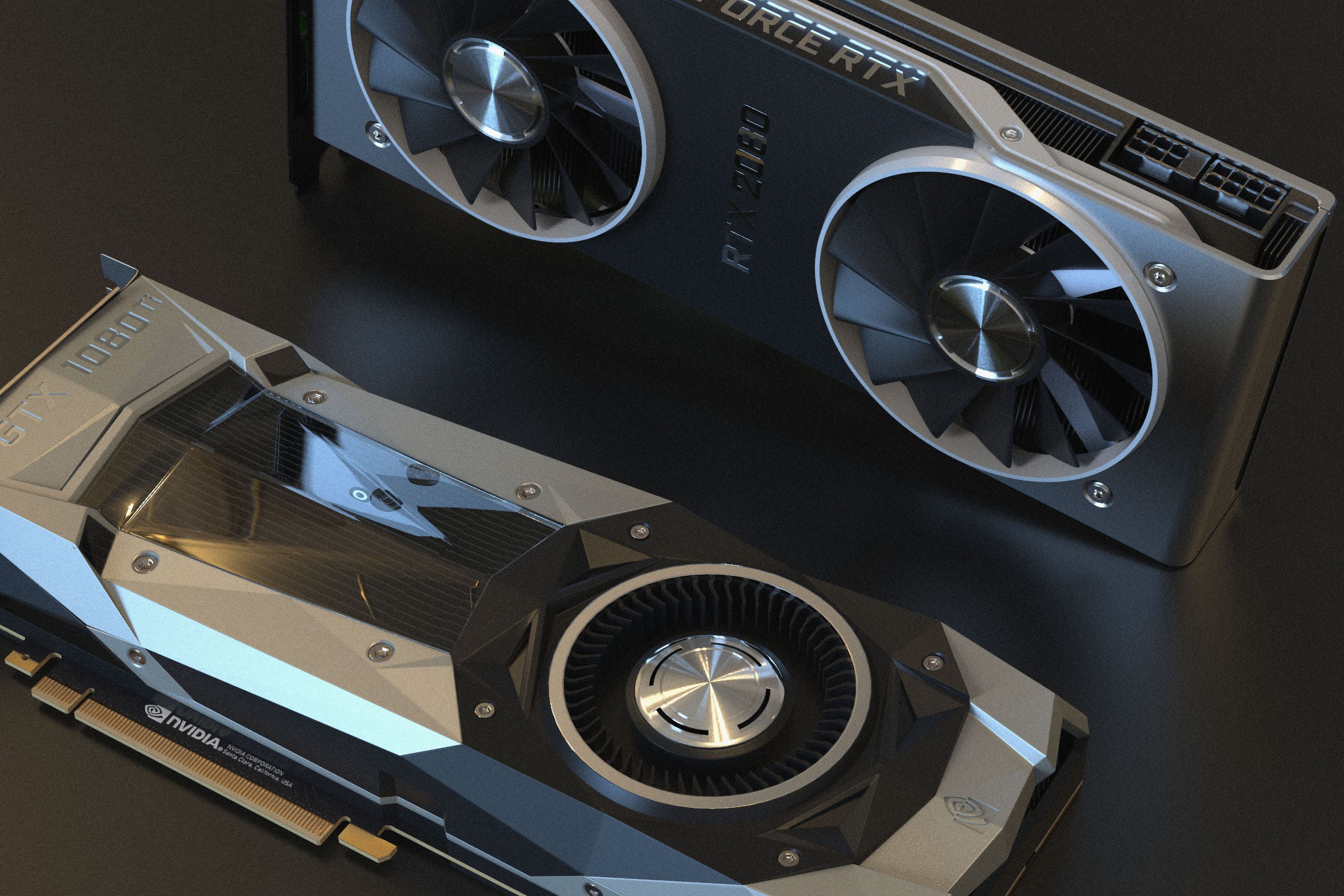
When Nvidia CEO Jensen Huang unveiled the RTX Spark superchip at GTC Taipei, the market did not just reward Nvidia. Arm, IBM, and Hewlett Packard saw their shares surge in tandem, extending a broad software rally that signals something more structural than a single product launch. This is not a chip story. It is a platform story, and the entire semiconductor supply chain is being repriced around it. For founders building on AI infrastructure and investors mapping the next wave of compute, the signal buried in those share movements deserves serious attention.
Nvidia has spent three decades accumulating an engineering stack that most competitors cannot replicate quickly. RTX Spark brings together CUDA, RTX, DLSS, TensorRT, OptiX, Reflex, and G-SYNC into a single superchip designed to turn a Windows PC into what Nvidia calls a "teammate rather than a tool." That framing is deliberate. Huang is positioning Nvidia not as a silicon vendor but as the operating layer for the age of personal AI agents, a move that echoes what Apple did when it fused hardware and software into a closed, high-margin ecosystem. The personal computer comparison is not incidental. Nvidia is explicitly invoking the smartphone revolution as its reference point for what RTX Spark is meant to trigger.
The broader Rubin platform gives the thesis more structural weight. Nvidia's next-generation architecture promises up to a 10x reduction in inference token cost and a 4x reduction in the number of GPUs required to train mixture-of-experts models, compared with the Blackwell platform. The Spectrum-X Ethernet Photonics switch systems deliver 5x improved power efficiency. These are not incremental improvements. They are the kind of cost-curve shifts that make entirely new business models viable and that force competitors to respond on software terms, not just silicon specs. When inference gets ten times cheaper, the startups that were previously uneconomical become fundable overnight.
The sympathy rally in Arm, IBM, and HP tells a precise story about how investors are reinterpreting the semiconductor value chain. Arm's architecture underlies the devices that will run Nvidia-powered agents. IBM brings enterprise software depth and hybrid cloud infrastructure that slots into the full-stack vision Nvidia is building. HP sits at the hardware endpoint where personal AI agents will actually live. None of these companies made the news on Monday, but all of them got richer because of it. That is what platform economics looks like in practice. Value accrues not just to the platform owner but to every credible node in the ecosystem, and the market is now mapping those nodes aggressively.
The implication for AI infrastructure founders is uncomfortable but clarifying. Building a standalone AI application on top of commodity compute is a thinner bet than it was twelve months ago. Nvidia's full-stack accelerated computing platform, united with global industrial software giants, cloud providers, and OEMs, is collapsing the distance between infrastructure and application. The moat is moving up the stack faster than most startup roadmaps anticipated. Investors who were backing infrastructure plays purely on GPU throughput metrics need to revisit those theses with software ecosystem defensibility as the primary lens.
 The Future FrontBe on the cover.Twice a month we put the people shaping what's next on our cover.Apply for the cover