Nvidia Recalls Jensen Huang to Save the AI Boom
Jensen Huang returns as Nvidia CEO after 11 days, soothing nervous AI founders and restoring market stability despite unresolved governance questions.
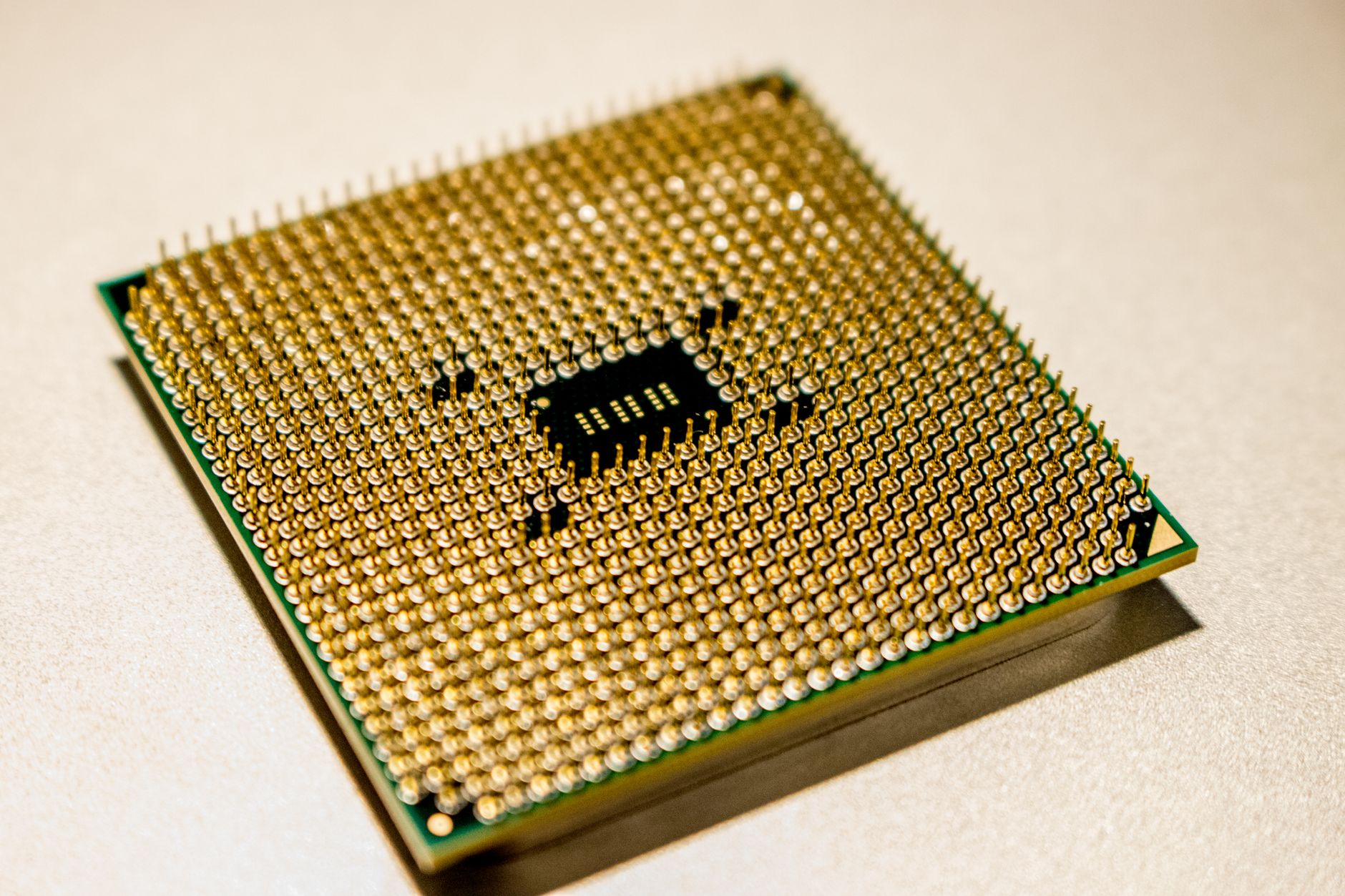
Nvidia's board of directors officially reinstated co-founder Jensen Huang as president and chief executive officer just 11 days after his sudden resignation, Reuters reported. The rapid reversal followed an intense public campaign led by prominent Silicon Valley executives, alongside a petition signed by thousands of industry operators and Nvidia employees demanding his return. Markets reacted instantly to the announcement, sending Nvidia stock surging and restoring billions of dollars in market valuation within hours. Elon Musk publicly praised the board for correcting what he characterized as a critical mistake, echoing sentiments shared by venture capitalists across Silicon Valley. For an industry tied entirely to Nvidia's hardware roadmap, the eleven-day vacuum offered a stark preview of how fragile the current AI ecosystem remains without its chief architect.
The brief leadership crisis erupted amid an internal board probe into concerns that Huang was targeted in a Chinese espionage operation. Although independent board members are continuing their governance review, shareholder panic quickly outweighed corporate caution as hardware delivery timelines came into question. Nvidia sits at the absolute center of the technology economy, supplying the advanced accelerators that power every major foundation model and enterprise cluster. Venture capital firms have deployed hundreds of billions of dollars into AI startups over the past two years on the explicit assumption that hardware supply schedules would remain predictable. Had Huang remained sidelined, product roadmaps for next-generation silicon faced delays that risked freezing capital deployment across the entire startup ecosystem.
Financial analysts noted that the board faced mounting pressure from shareholders who prioritized operational continuity over lingering legal and governance investigations. Jason Matthews, president of Matthew Financial and Insurance Solutions, told local media that the board made the decision primarily to appease investors who saw stock prices fall during Huang's absence. At the same time, Huang's return has refocused Washington's attention on the strategic debate over open-weight artificial intelligence models. As reported by Reuters, Huang has emerged as one of the tech industry's primary advocates urging federal policymakers to support American open-weight model development to counter Chinese competitors. His restoration ensures that Nvidia will maintain its heavy lobbying presence in the capital as regulations around export controls and open-source models take shape.
For startup founders and institutional investors, Huang's return brings immediate practical relief even as governance questions linger in the background. Early-stage AI companies rely heavily on preferred allocation schedules for high-performance GPUs, a process historically overseen under Huang's direct strategic vision. A prolonged leadership transition threatened to disrupt these allocation pipelines, potentially favoring legacy tech giants over venture-backed challengers. Furthermore, Huang's vocal backing of open-weight systems gives open-source AI startups a powerful ally against closed-ecosystem competitors lobbying for restrictive safety mandates. Investors can now resume long-term capital planning with the confidence that Nvidia's core architecture cycles will proceed without administrative friction.
Over the next 12 months, Nvidia will have to navigate the double pressure of ongoing board scrutiny and escalating international competition. The independent investigation into potential foreign intelligence targeting will proceed, forcing the company to establish stricter compliance protocols without slowing its rapid product deployment. Simultaneously, rival chipmakers and custom silicon initiatives from hyperscalers will attempt to capture market share by exploiting any remaining perception of governance instability. However, Huang's swift reinstatement demonstrates that Silicon Valley values market execution above traditional corporate governance when core economic interests are at stake. As the AI hardware race accelerates toward next-generation architectures, Nvidia's restored leadership ensures the broader tech ecosystem remains anchored to its established path.
 The Future FrontBe on the cover.Twice a month we put the people shaping what's next on our cover.Apply for the cover