NVIDIA Just Made Humanoid Robots a Real Business
As NVIDIA sponsors the first Humanoid Pavilion at Automate 2026, physical AI officially graduates from research labs to the factory floor.
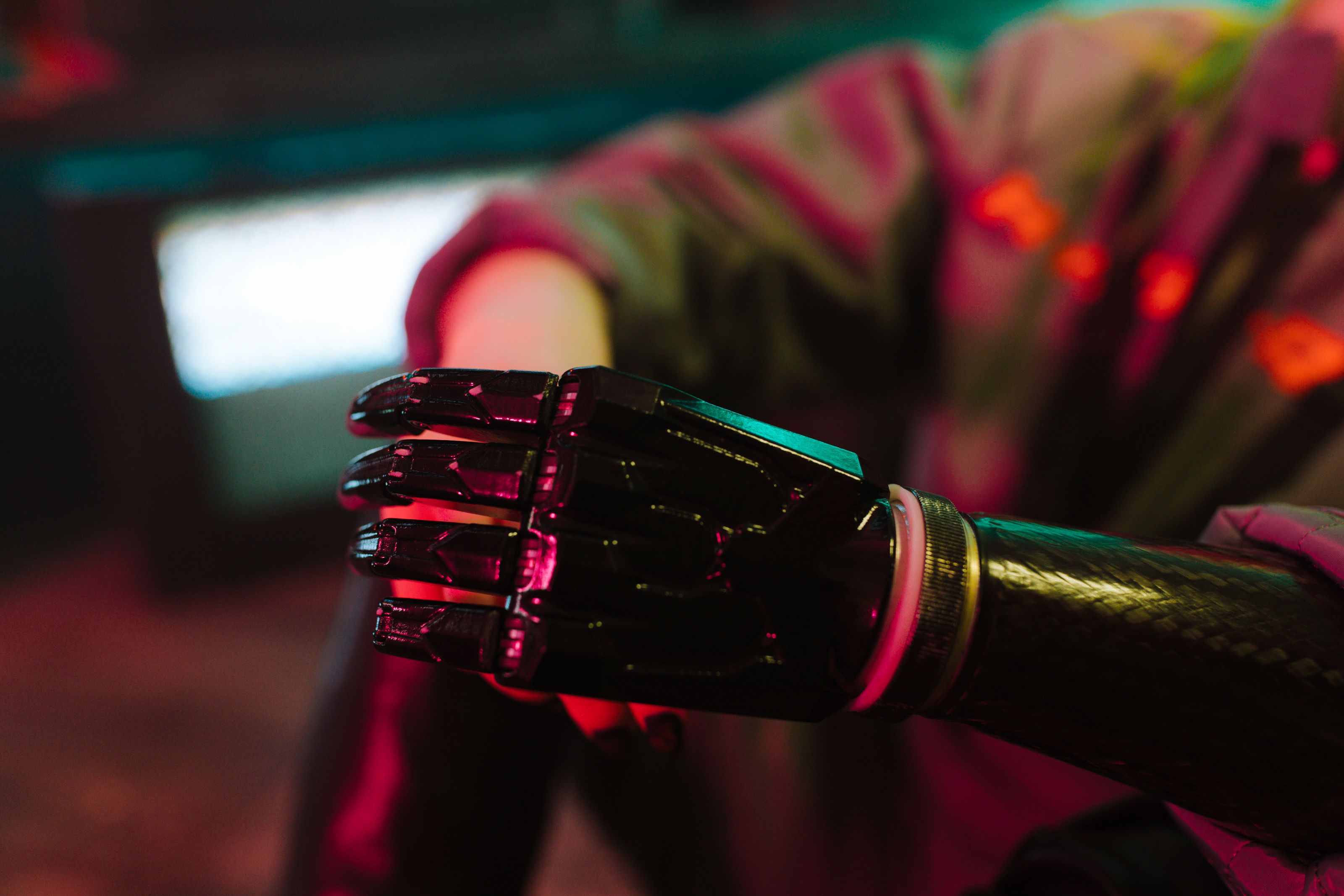
The era of the novelty bipedal robot doing backflips for venture capital funding is officially over. At North America's largest robotics trade show, Automate 2026 in Chicago, the debate shifted from whether humanoid hardware is viable to how quickly factories can integrate it. The sudden emergence of the first-ever Humanoid Robot Pavilion, backed by headline sponsor NVIDIA, drew over 50,000 attendees to McCormick Place. This shift marks the precise moment physical AI transitioned from a research project into an enterprise deployment strategy.
Industrial automation has historically relied on highly specialized, bolted-to-the-floor robotic arms. But the skyrocketing costs of labor and persistent supply chain bottlenecks are forcing manufacturers to look toward general-purpose bipedal platforms. NVIDIA's heavy involvement in the exhibition hall underscores a broader land grab for the software stack running these machines. By acting as the primary compute engine, the silicon giant wants to control the operating system of the physical world before its competitors can establish a foothold.
The floor of McCormick Place showed that physical AI is now a commercial reality rather than an R&D talking point. Among the standouts was Richtech Robotics' dual-armed barista system, ADAM, running on NVIDIA-accelerated compute to handle precision tasks. ABB also made waves by debuting its Physical AI Toolchain, a comprehensive software stack designed to let factory managers train robots through demonstration. These systems are no longer programmed with rigid lines of code, but are instead learning complex maneuvers in digital twins before physical deployment.
For hardware founders and venture capital firms, this paradigm shift completely rewrites the investment thesis. The bottleneck is no longer building the physical chassis, which has rapidly become commoditized by global supply chains. The real value has migrated upstream to proprietary training environments, edge AI processors, and specialized foundation models. Startups that focus on building niche, high-fidelity simulation environments for specific industrial tasks will likely see faster exits than those trying to build the physical robots from scratch.
Over the next twelve months, expect the first wave of multi-hundred-unit humanoid fleets to begin pilot programs in automotive and electronics manufacturing. The metric of success will shift from viral video demonstrations to actual throughput hours and reduction in factory floor accidents. As software toolchains become standardized, the cost of deploying a humanoid worker will fall below the annual salary of a human equivalent in select markets. Factories that fail to integrate physical AI pilots by 2027 risk being left behind in a hyper-efficient manufacturing landscape.
 The Future FrontBe on the cover.Twice a month we put the people shaping what's next on our cover.Apply for the cover




