Midterm Fallout Hits Nvidia as AI Data Centers Face Wall
Political pushback against power-hungry data centers is turning physical infrastructure into tech's biggest bottleneck.
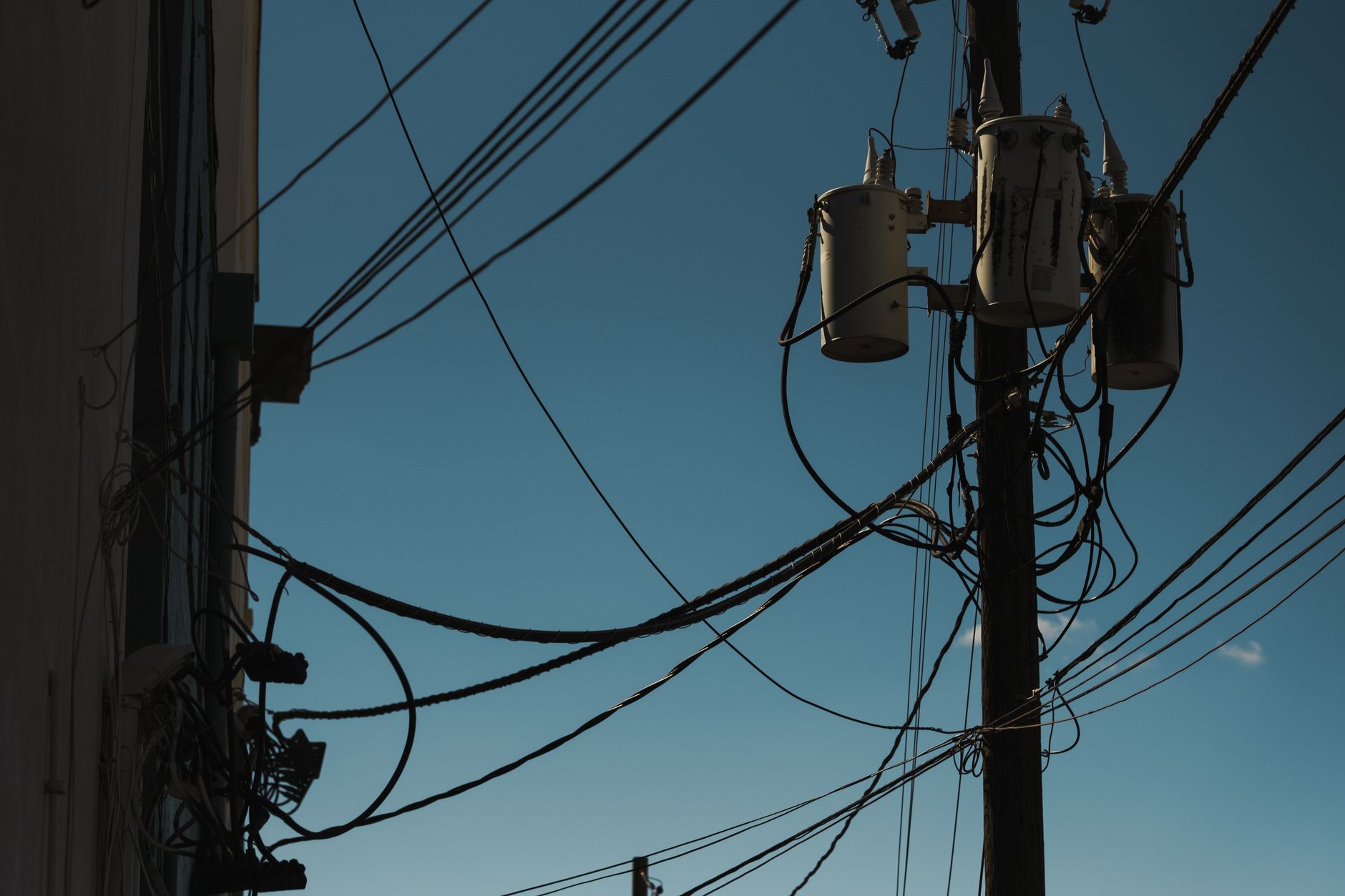
Wall Street turned sharply against semiconductor leaders this week after midterm election results sparked widespread investor fear over the physical footprint of artificial intelligence. Shares of Nvidia, AMD, and Meta dropped in heavy trading as political control shifted across key congressional seats, according to reporting by CNBC and CBS News. The market reaction reflects a sudden realization that compute expansion faces an immediate political barrier rather than a basic capital constraint. Voters across multiple states backed candidates who campaigned against rising utility costs, strain on local energy grids, and regional environmental disruption linked to server farms. The broad market sell-off highlights how political friction is swiftly reframing the valuation models of the sector's most prominent silicon and platform giants.
For three years, artificial intelligence companies and venture funds operated on the belief that energy supply was primarily a technical and project financing puzzle. That thesis collapsed as grassroots movements transformed isolated local zoning spats into a coordinated national legislative agenda. Newly elected lawmakers in Washington are preparing aggressive federal oversight regarding data center grid access, regional water usage, and mandatory environmental impact statements. Municipalities are refusing tax abatements and revoking conditional use permits that tech firms previously treated as routine administrative steps. What was once seen as an unlimited infrastructure ramp has encountered a firm regulatory boundary driven by widespread voter discontent over regional resource allocation.
The scale of public pushback is already disrupting core corporate buildout schedules across the United States. Data compiled by the International Data Center Authority reveals that between January 2024 and May 2026, local opposition blocked, stalled, or forced the withdrawal of at least 46 AI data center projects across 20 states. These delayed developments represent more than $170 billion in planned capital investments that now sit in legal or regulatory limbo. Even though major platforms like Microsoft and OpenAI publicly reiterate their commitment to fund expansive compute infrastructure, the practical reality on the ground is extended construction timelines, higher power purchase costs, and mounting litigation from community groups.
This shifting political environment fundamentally alters the strategic landscape for technology founders and venture capital investors. Building competitive advantage purely through brute-force cluster scaling is becoming prohibitively expensive, operationally fragile, and politically risky. Startup teams must pivot toward algorithmic efficiency, targeted small language models, and edge compute solutions that deliver superior performance without demanding dedicated gigawatt power substations. Meanwhile, venture capital investors are shifting their diligence frameworks to evaluate power availability, local utility regulations, and grid interconnection queues alongside traditional software metrics. Infrastructure execution, once assumed to be seamless, is now a decisive operational risk factor for early-stage and growth companies.
The next 12 months will bring strict state-level caps on data center power consumption and expanded federal review processes for high-voltage grid connections. Capital will increasingly flow toward startups building energy-efficient silicon, dynamic load distribution software, and novel training methods that dramatically reduce physical compute requirements. Hyperscalers will be forced to renegotiate community benefit agreements, purchase localized clean generation, or explore international deployments to maintain expansion speeds. The dominant tech companies of this next cycle will not simply be those with the largest balance sheets, but those capable of navigating complex political geography and delivering high performance within rigid energy constraints.
 The Future FrontBe on the cover.Twice a month we put the people shaping what's next on our cover.Apply for the cover