LCAW 2026: Climate Deals in a Broken World
London Climate Action Week 2026 opens as geopolitical fractures reshape who funds climate deals, and on what terms.
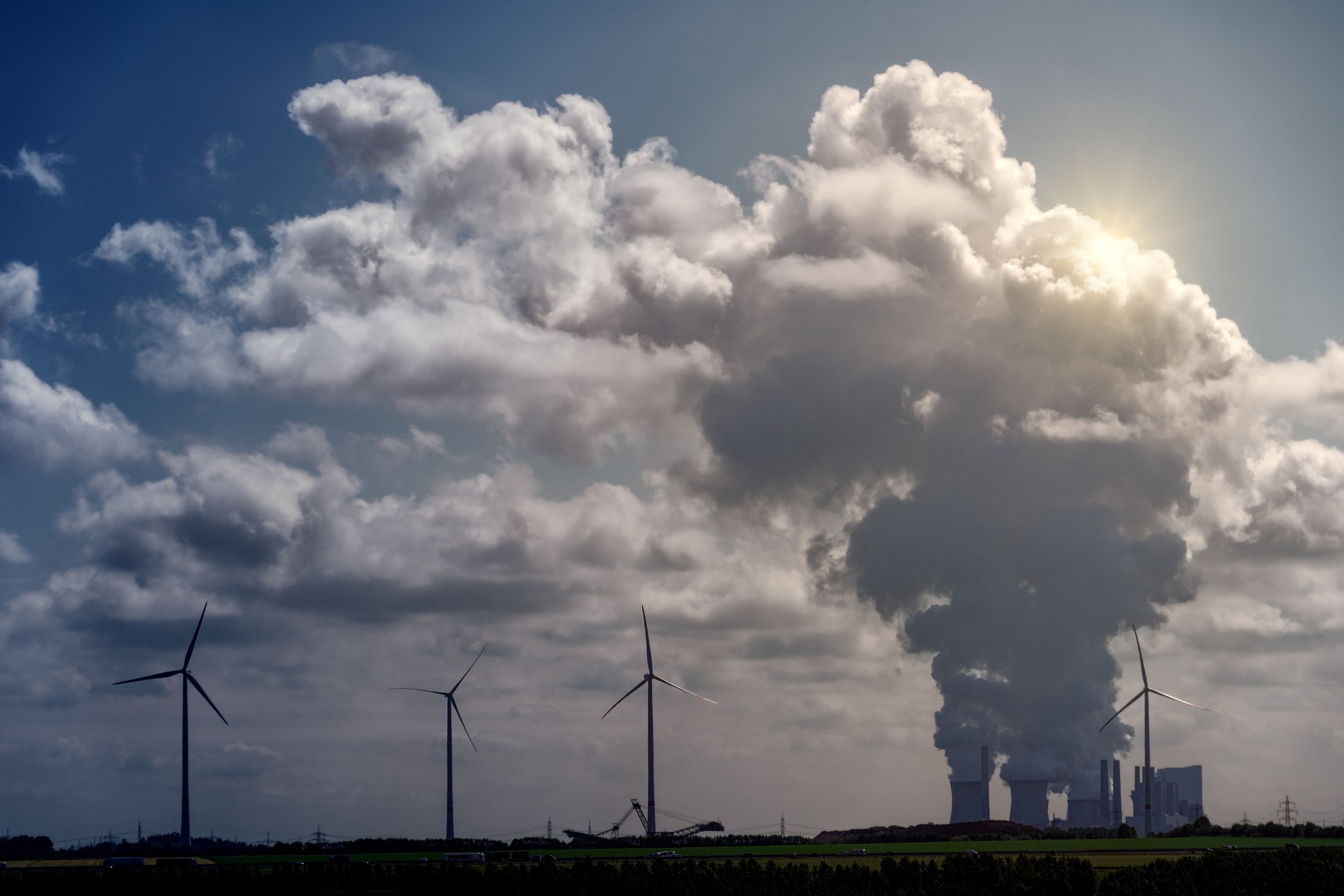
London Climate Action Week 2026 opens this month against the most turbulent backdrop in the event's history. The IEA has flagged what it describes as the most severe energy supply crisis in modern history, trade tensions are reshaping capital flows, and multilateral climate cooperation is visibly fraying at the edges. Yet 4,700 attendees turned up last year, including 436 investors and 46 climate businesses that collectively raised £248 million. That number tells you something important: the appetite for climate capital is not disappearing, but where it comes from and how it moves is changing fast.
LCAW has always been part conference, part deal room. This year the organisers have framed the entire week around a single tension: accelerating climate action inside a fragmenting geopolitical order. That framing is not rhetorical. Nick Mabey, founder of London Climate Action Week, put it directly, noting that the world faces its second fossil fuel price shock in under five years while politicians in multiple countries are calling for climate action to be abandoned. The week's programming, anchored by Bloomberg Philanthropies and including the IIGCC Summit on 22 June and Convergence's blended finance sessions, is structured to address that gap between political retreat and investment momentum.
For investors, the practical signal is clear. The IIGCC Summit, sponsored by S&P Global, is explicitly framing its agenda around policy uncertainty, energy security concerns, and supply chain threats. Those are not abstract risks anymore. They are due-diligence line items. Founders pitching cross-border climate infrastructure in 2026 need to demonstrate supply chain sovereignty and resilience to trade disruption in the same breath as they discuss unit economics. The blended finance conversations Convergence is leading at LCAW point to a related shift: public and philanthropic capital is increasingly being used to de-risk deals that private capital won't touch alone in fragmented markets.
The broader implication for the climate investment landscape is structural, not cyclical. Geopolitical fragmentation does not kill climate deals; it routes them differently. Regional capital coalitions are forming to replace the multilateral pipelines that are stalling. New alliances between governments, institutional investors, and development finance institutions are quietly replacing the grand multilateral frameworks that dominated climate finance a decade ago. For founders, this means the geography of your capital stack now carries strategic weight it never used to. A round anchored by European development finance looks different to regulators, customers, and future acquirers than one anchored by US or Gulf sovereign capital.
Over the next twelve months, the deals seeded at LCAW 2026 will test whether regional climate coalitions can actually replace the scale that multilateral coordination once promised. Blended finance will either prove itself as a genuine bridge mechanism or confirm its critics' view that it is too slow and too small for the capital volumes required. Founders who leave London this June with a sharper read on which regional blocs are genuinely deploying capital, and which are still in consultation mode, will have a real edge. The fragmented world is not a problem to wait out. It is the operating environment now.
 The Future FrontBe on the cover.Twice a month we put the people shaping what's next on our cover.Apply for the cover




