iOS 28 Could Kill the Desktop-First Workday
Apple insiders say iOS 28 will dwarf iOS 27 in scope. For founders and enterprise teams, that's not a software update. It's a workflow reset.
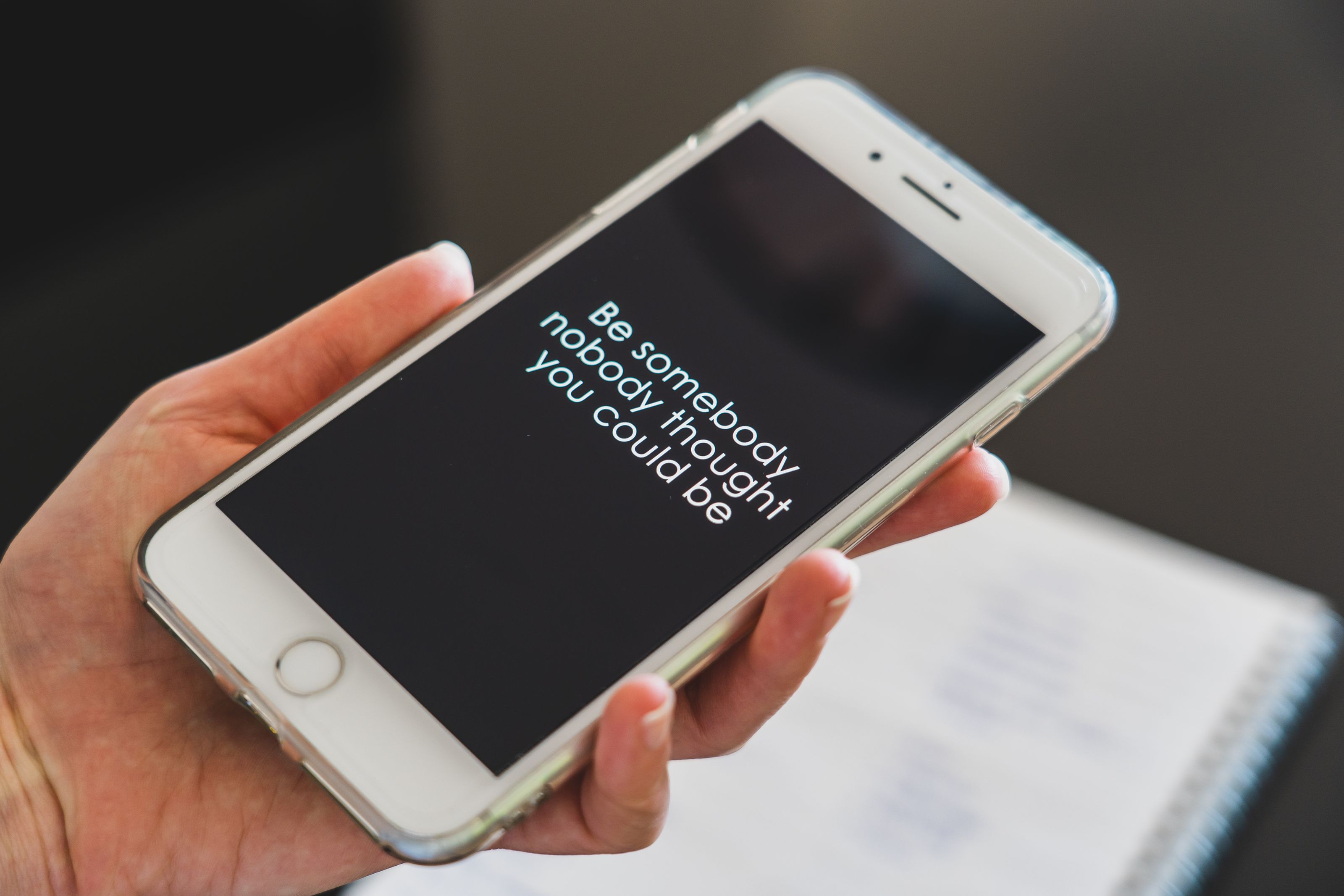
Apple insiders are describing iOS 28 as a landmark release, one that will reportedly dwarf iOS 27 in both scope and ambition. That framing matters. Apple rarely lets superlatives leak without purpose, and when the company signals a step-change, the enterprise software market tends to feel it fast. If the reporting holds, iOS 28 will not be a incremental polish cycle. It will be the moment the iPhone stops being a companion device for work and becomes the primary one.
Context is important here. Apple Intelligence launched with iOS 18 and has matured steadily, but the trajectory has always pointed toward what the company calls "agentic AI", systems that do not just generate content but actively complete tasks on your behalf. The shift from generative to agentic is the whole ballgame. An AI that summarises a chaotic Slack thread before your 9am call or builds a client pitch deck on an iPad in seconds is not a novelty feature. It is a direct challenge to the desktop-anchored, SaaS-heavy workflows that have defined knowledge work for two decades.
The infrastructure behind this is more consequential than most people realise. In January 2026, Apple and Google confirmed a multi-year partnership under which Apple's next-generation Foundation Models will be built using Google's Gemini architecture and cloud infrastructure. That deal gives Apple access to model scale it could never build alone, while keeping the consumer-facing experience tightly inside its own privacy framework. On-device processing handles the sensitive, contextual work. Gemini's backbone handles the heavy lifting when needed. The result is a hybrid AI stack that is genuinely competitive with anything running in a browser tab.
For founders and investors, the implications cut in two directions. First, the app layer is going to get disrupted again. Productivity tools built around the assumption that users will context-switch to a desktop, or that core workflows live in the cloud, are exposed. If iOS 28 delivers redesigned productivity surfaces with deep AI integration baked into the OS, the value proposition of dozens of standalone apps quietly collapses. Second, enterprise adoption of iPhone as a primary work device accelerates sharply. IT procurement cycles that have favoured Windows-first environments for a generation are already softening. A genuinely capable on-device AI tips the balance further.
The next twelve months will be a stress test for the entire mobile productivity ecosystem. WWDC 2026, anchored around the June 8 keynote, is expected to focus on iOS 27 as the immediate release, with iOS 28 as the longer horizon. But the direction is already locked in. Developers who start building against the App Intents framework and Apple Intelligence APIs now will be positioned ahead of the wave. Those waiting for a stable install base will find themselves explaining to investors why they let Apple redesign their category without them. The desktop-first workday is not dying this year. But iOS 28 is the release that starts the clock.
 The Future FrontBe on the cover.Twice a month we put the people shaping what's next on our cover.Apply for the cover




