Inside the Massive Solar Surge Reshaping the US Grid
Solar and batteries are monopolizing new US power plant capacity in 2026, triggering a gold rush for grid software startups.
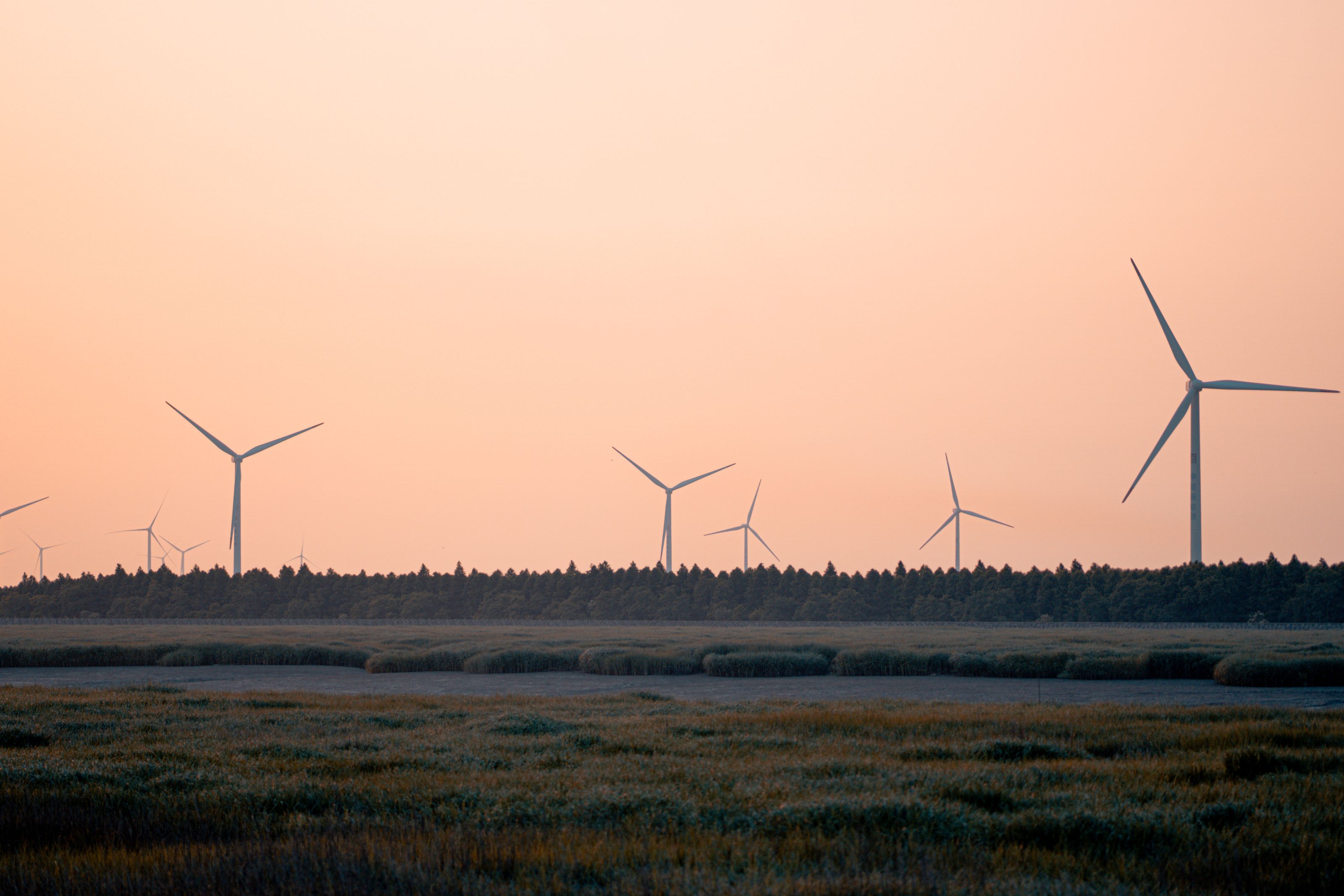
The United States is on track to add a record-breaking 86 gigawatts of new utility-scale power capacity to its grid in 2026, and nearly all of it is clean. Solar energy alone is projected to account for a staggering 43.4 gigawatts of this total, representing a 60 percent increase over last year's installations. Coupled with 24 gigawatts of planned battery storage, these two technologies represent the overwhelming majority of new American electricity generation. Fossil fuels have officially been relegated to a rounding error in the race to build new domestic power plants.
This sudden surge is not just a temporary bump but a permanent structural shift in how the modern energy market operates. Years of policy incentives, falling hardware costs, and surging corporate energy demand have converged to make renewable installations the default choice for developers. However, this unprecedented volume of intermittent generation is arriving on a grid designed for centralized, predictable fossil fuel plants. The rush to plug in massive solar arrays is exposing severe vulnerabilities in transmission infrastructure and regional interconnection queues.
Nowhere is this transition more visible than in Texas, which currently hosts 40 percent of all new utility-scale solar projects slated for 2026. The state is home to massive installations like the 837-megawatt Tehuacana Creek 1 project, which is expected to become the largest active solar facility in the country this year. Meanwhile, developers added over 11,000 megawatts of solar and 8,200 megawatts of battery capacity in the first half of the year alone, according to federal energy data. This rapid deployment proves that the bottleneck is no longer technology cost, but physical grid capacity.
For climate tech founders and venture capital firms, this massive deployment wave represents a generational market opportunity. The urgent challenge has shifted from generating green electrons to managing them, creating a massive demand for advanced grid optimization software. Startups that can solve transmission bottlenecks, predict localized congestion, or orchestrate distributed battery fleets are positioning themselves as the new tollkeepers of the energy transition. Hardware is scaling faster than the wires can handle, making software the ultimate bottleneck.
Over the next twelve months, expect a wave of venture funding to pivot toward software platforms that alleviate grid interconnection backlogs. Regulators will face intense pressure to streamline the years-long waiting times to hook up new projects, forcing the adoption of automated grid management tools. As solar continues to saturate daytime power markets, developers will increasingly refuse to build any new solar project that does not feature co-located battery storage. The era of standalone utility solar is drawing to a close, replaced by integrated, intelligent power networks.
 The Future FrontBe on the cover.Twice a month we put the people shaping what's next on our cover.Apply for the cover




