Inside the Great Robot Exodus From Car Factories
As car makers slow down their automation spend, a new wave of specialized hardware is quietly taking over laboratories and food packing plants.

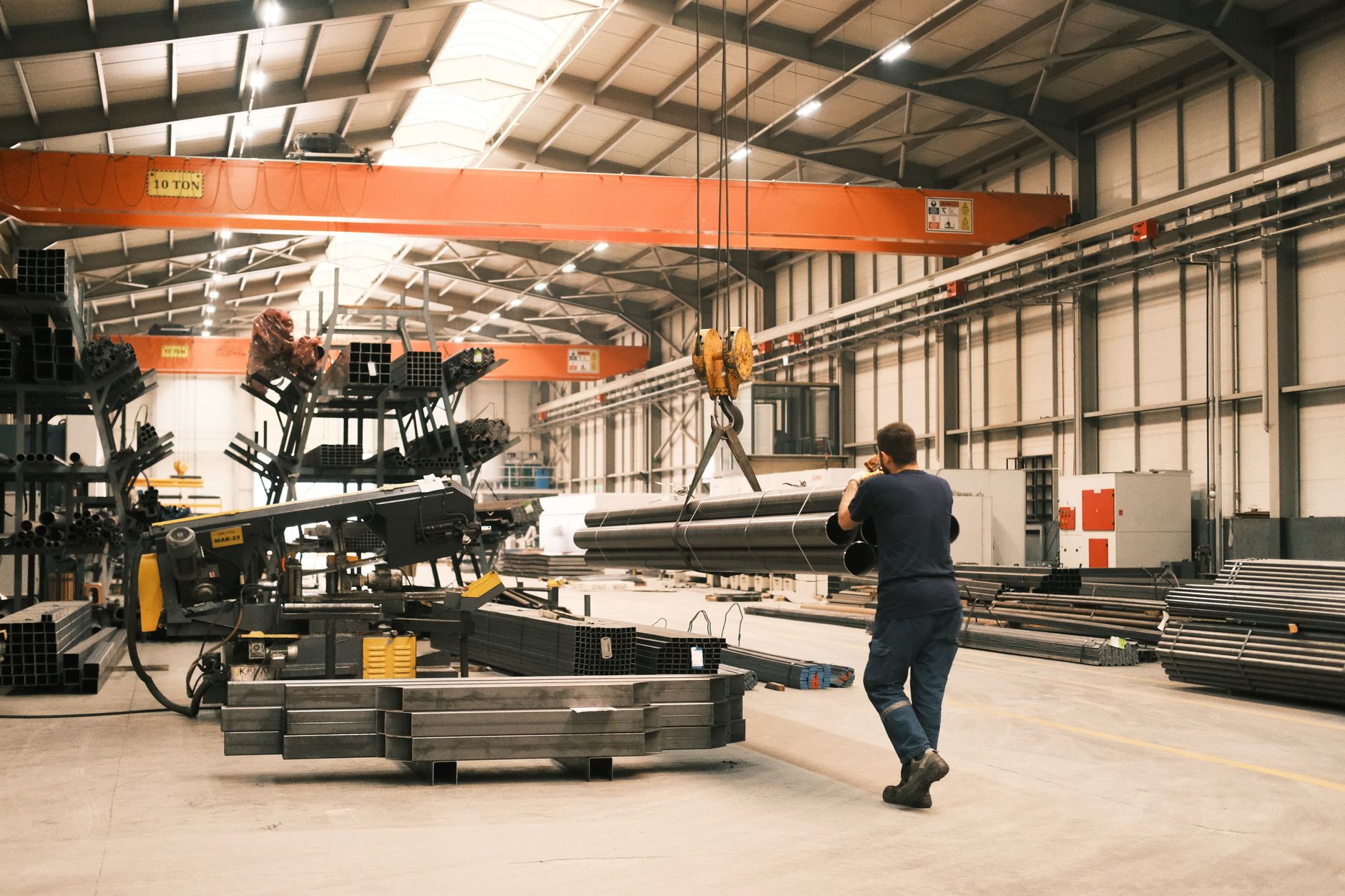
North American companies ordered 9,055 robots valued at 543 million dollars in the first quarter of 2026, marking an essentially flat 0.1 percent decline from the previous year. While a flat market might look like stagnation to casual observers, it actually conceals a massive structural realignment in industrial automation. For decades, the robotics industry lived and died by massive procurement cycles from automotive giants. Now, a sharp decline in automotive manufacturing is being offset by aggressive, decentralized adoption across completely different sectors.
This quiet shift signals the end of the Detroit-centric era for hardware startups. Car manufacturers are cooling their capital expenditures as they digest previous overcapacity, forcing robotics developers to look elsewhere for growth. The survival of hardware companies now depends on building systems for dynamic, unstructured environments rather than rigid, predictable assembly lines. This is not just a temporary dip but a permanent diversification of the market.
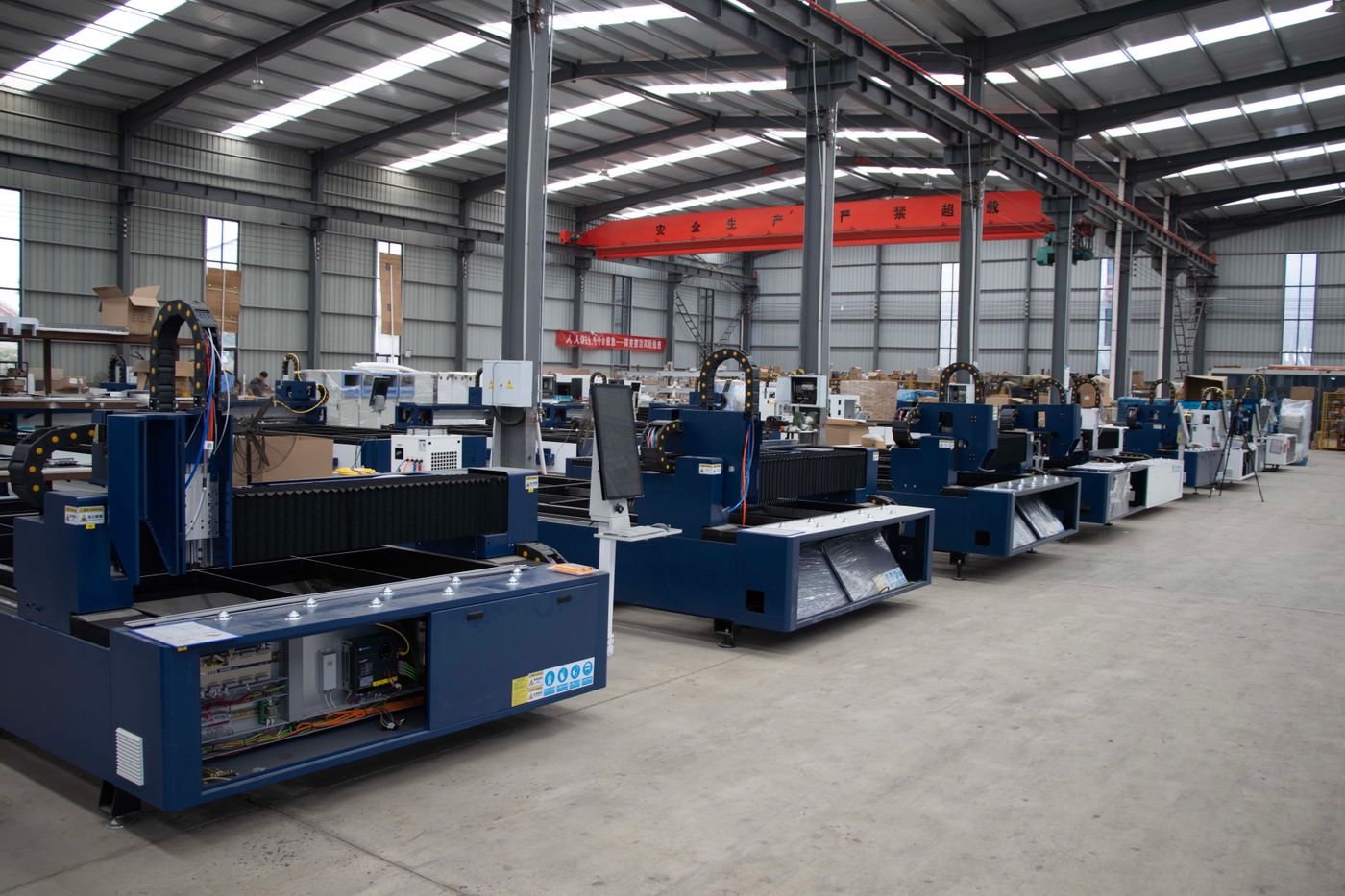
Recent data from the Association for Advancing Automation highlights double-digit gains in life sciences, electronics, and collaborative robotics. This momentum is already compounding, with overall robot orders bouncing back by 4.3 percent in the second quarter of 2026. Companies are deploying agile cobots to handle delicate laboratory assays and assemble complex electronic circuit boards. These non-automotive buyers require different software capabilities, prioritizing rapid reprogramming and vision-guided precision over raw payload capacity.
For venture capitalists and hardware founders, this transition changes the entire investment thesis for physical AI. Startups can no longer pitch generalized robotic arms and expect to win massive enterprise contracts on hype alone. Winning companies are building full-stack, domain-specific solutions tailored to food safety, sterile medical logistics, or complex electronic assembly. The value has officially shifted from heavy iron and mechanical engineering to intelligent perception software and specialized end-effectors.
Over the next twelve months, expect a wave of specialized acquisitions as legacy automation giants rush to buy up niche software startups. The market will reward platforms that can be deployed in days rather than months, lowering the barrier to entry for mid-sized manufacturers. As collaborative robots become cheaper and smarter, the traditional factory floor will increasingly resemble a shared workspace. The hardware startups that thrive in this new landscape will be those that view automation as a service, not just a capital expense.
 The Future FrontBe on the cover.Twice a month we put the people shaping what's next on our cover.Apply for the cover