Industrial Robotics Hits $16.7B. Here's What Comes Next.
The IFR's annual trend report just handed founders and investors a rare, data-rich map to the most capital-efficient automation opportunities of 2026.
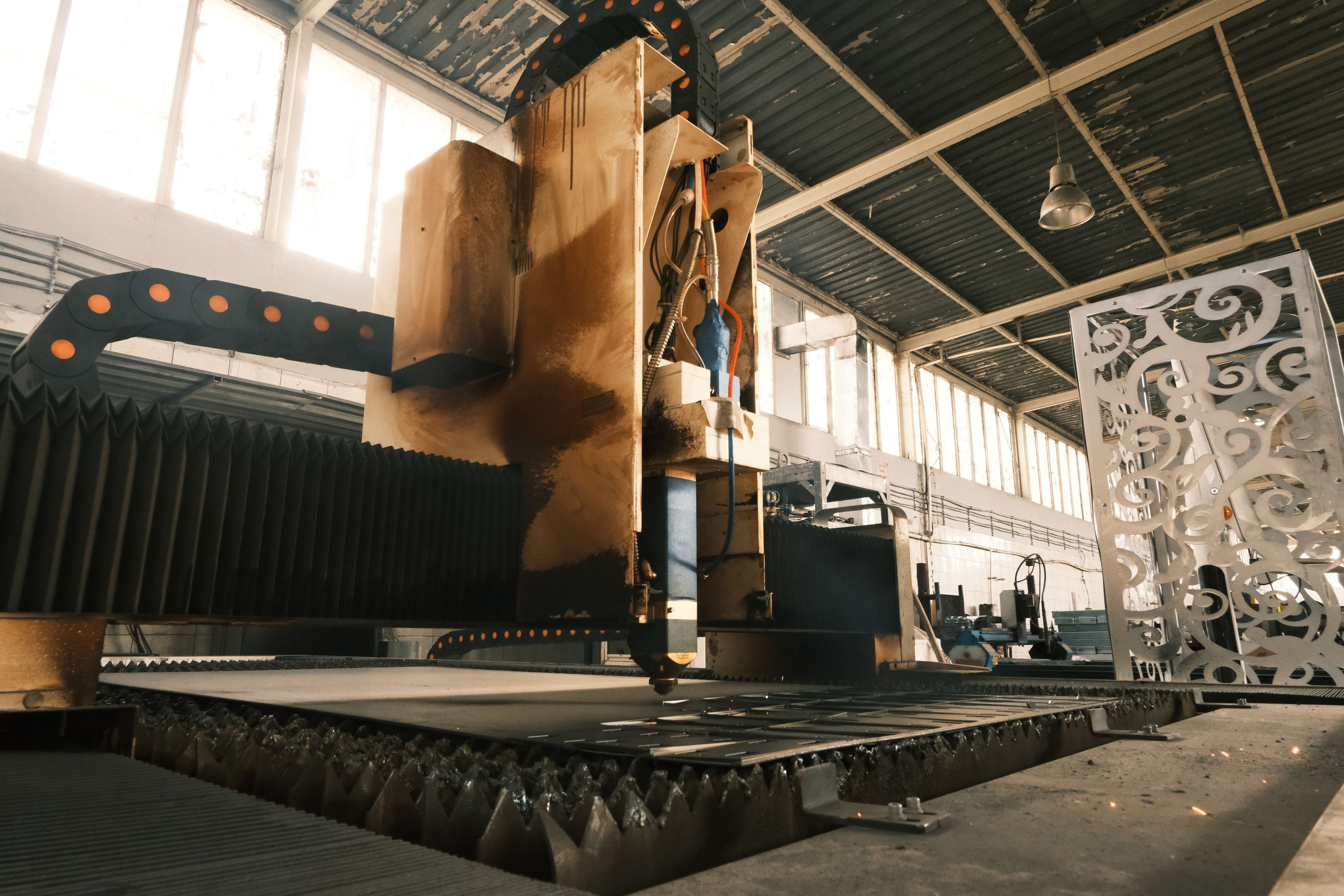
The global market for industrial robot installations has reached an all-time high of $16.7 billion, according to the International Federation of Robotics' authoritative 2026 trend report. That number is not a projection or an analyst estimate. It is a primary-source benchmark from the most credible body in global robotics, and it reframes every conversation about automation as an investment category. For founders building in this space and VCs sizing their next fund thesis, this is the data you cite first.
The IFR's five structural trends for 2026 are not independent forces. They compound each other. AI and autonomy are being layered onto industrial hardware that is simultaneously becoming more versatile through IT and OT convergence. Humanoid reliability is crossing a threshold that makes general-purpose robots deployable in real production environments. Safety protocols are evolving to accommodate human-robot co-working at scale. And underneath all of it, a structural labor shortage is acting as the single most durable demand driver across every geography the IFR tracks.
The humanoid signal deserves specific attention. For years, humanoid robots were a research story. The IFR now frames reliability as a 2026 trend, which means units are moving out of labs and into facilities where uptime, not novelty, is the metric that matters. Separately, the IT and OT convergence trend points to a market that is less about new robot hardware and more about the software, connectivity, and integration layer sitting between machines and enterprise systems. That is where margin lives, and where the next generation of B2B robotics companies will be built.
For investors, the $16.7 billion figure provides the denominator that market-sizing models have historically lacked. It validates automation as a category at scale, not a speculative bet, and it anchors conversations with LPs who need hard evidence of addressable market. For founders, the IFR's identification of labor shortage as a core demand driver is strategic permission to lead with economic necessity rather than technological novelty. Customers buy robots because they cannot hire. That framing closes deals faster than any capability pitch.
In the next twelve months, expect the gap between robotics incumbents and software-native challengers to narrow fast. As AI integration matures and humanoid deployments generate real operational data, the competitive moat will shift from hardware to intelligence, from installation to continuous learning. Regional supply-chain realignment, another IFR-flagged trend, will pull automation capital toward Southeast Asia and nearshoring markets in Mexico and Eastern Europe. Founders who map their go-to-market against these geographic shifts, rather than chasing the US and China duopoly, will find less competition and faster enterprise sales cycles in 2026 and beyond.
 The Future FrontBe on the cover.Twice a month we put the people shaping what's next on our cover.Apply for the cover




