Guerrilla Solar Is Going Mainstream
Plug-in solar panels need no electrician, no utility approval, and no permission. That changes everything about who owns the energy transition.
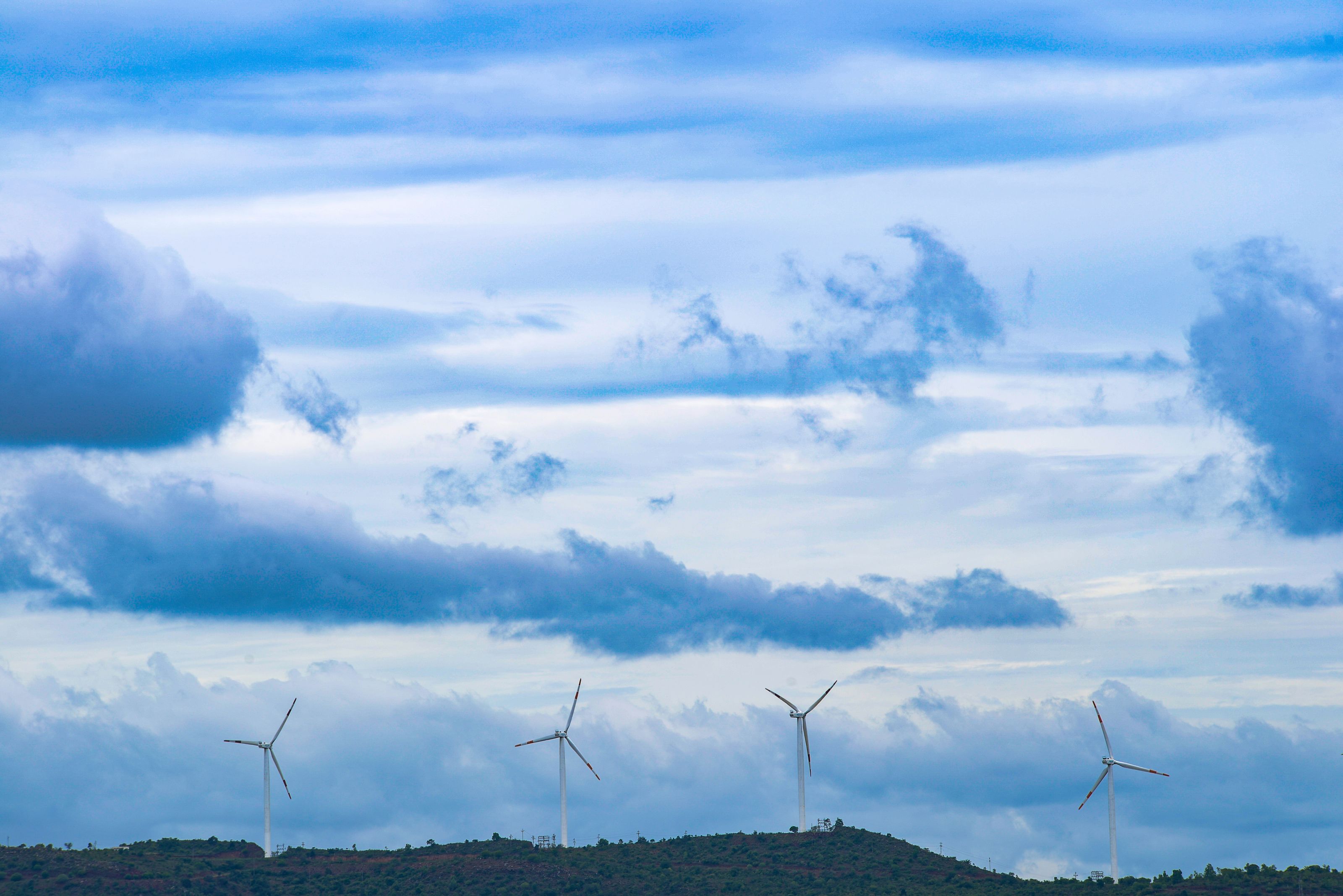
The solar industry has spent two decades trying to win over homeowners. Guerrilla solar is winning over everyone else. Plug-in solar units, compact panels that connect directly to a standard outlet and require zero electrician involvement, are crossing from hobbyist curiosity to a genuine consumer category in 2026. The global solar energy market is projected to hit $268.93 billion this year, growing at a 23.6% CAGR, and a meaningful slice of that growth is now coming from the bottom up, not the top down.
The term "guerrilla solar" captures the ethos precisely. These systems bypass the two biggest friction points that have kept solar out of reach for renters, apartment dwellers, and underserved communities: utility permission and professional installation. A renter on the third floor of a Chicago apartment building can now clip a panel to a balcony railing, plug it into the wall, and offset a portion of their electricity bill before lunch. No interconnection agreement. No waiting six months for a utility inspector. No $20,000 capital commitment.
Regulators are scrambling to catch up. According to a June 2026 update from the Clean Energy States Alliance, the policy debate in the US is currently centered on financial accounting, interconnection rules, and safety certification, with the regulatory landscape varying significantly by state and evolving quickly in a positive direction. Crucially, CESA also notes that given their small output relative to typical household load, plug-in systems are unlikely to create meaningful technical stress on local distribution grids. The barrier to legalization is political, not engineering. That distinction matters for anyone building in this space.
The real disruption is not the hardware. It is the revenue model it threatens. On-grid solar systems are projected to hold 55.6% of the global solar panel market in 2026, a dominance built on utility partnership and net metering arrangements. Guerrilla solar erodes that model from below, quietly reducing household consumption in ways utilities cannot easily meter, tax, or credit. At scale, that is a structural problem for utility revenue, and a white-space opportunity for founders building peer-to-peer energy trading platforms, micro-grid financing tools, and the balance-of-system hardware that makes small-scale solar smarter and safer.
The next twelve months will be a pivotal test. Several US states are actively drafting plug-in solar frameworks, and the first wave of VC-backed startups targeting this segment, spanning both hardware and software, are approaching their Series A decision points. If even two or three states standardize permitting and create clear net-metering credit pathways for plug-in units, adoption will accelerate faster than any utility or incumbent solar installer is currently modeling. The founders who move now, before regulation crystallizes and before a Tier 1 hardware player dominates the shelf, are playing with the best odds in the energy transition.
 The Future FrontBe on the cover.Twice a month we put the people shaping what's next on our cover.Apply for the cover




