Turning text descriptions into printable 3D models
Makeable lets anyone convert written descriptions into 3D models to refine, export, or print, requiring no prior computer-aided design experience.
Creating three-dimensional objects on a computer has long required specialised software and years of technical practice across industry sectors. Designing physical items or digital assets usually meant mastering complex computer-aided design systems with steep learning curves. Many people with practical ideas found themselves stuck long before they could even produce a basic prototype for testing. Makeable was created to remove that initial friction entirely from the creation process. The team built a platform that lets anyone turn a simple written description into a complete three-dimensional model ready for practical application.
Traditional modelling tools demand a deep understanding of spatial geometry, technical hotkeys, and intricate software interfaces that consistently confuse beginners. For designers, makers, and creators, translating a mental concept into a digital object often required hours of tedious manual labour or expensive outsourcing. The alternative was spending months learning professional packages that were never designed for quick, intuitive creation. Makeable recognised that natural language is a far more intuitive starting point for the creative process. By connecting text descriptions directly to physical geometry, they set out to make digital fabrication open to everyone.
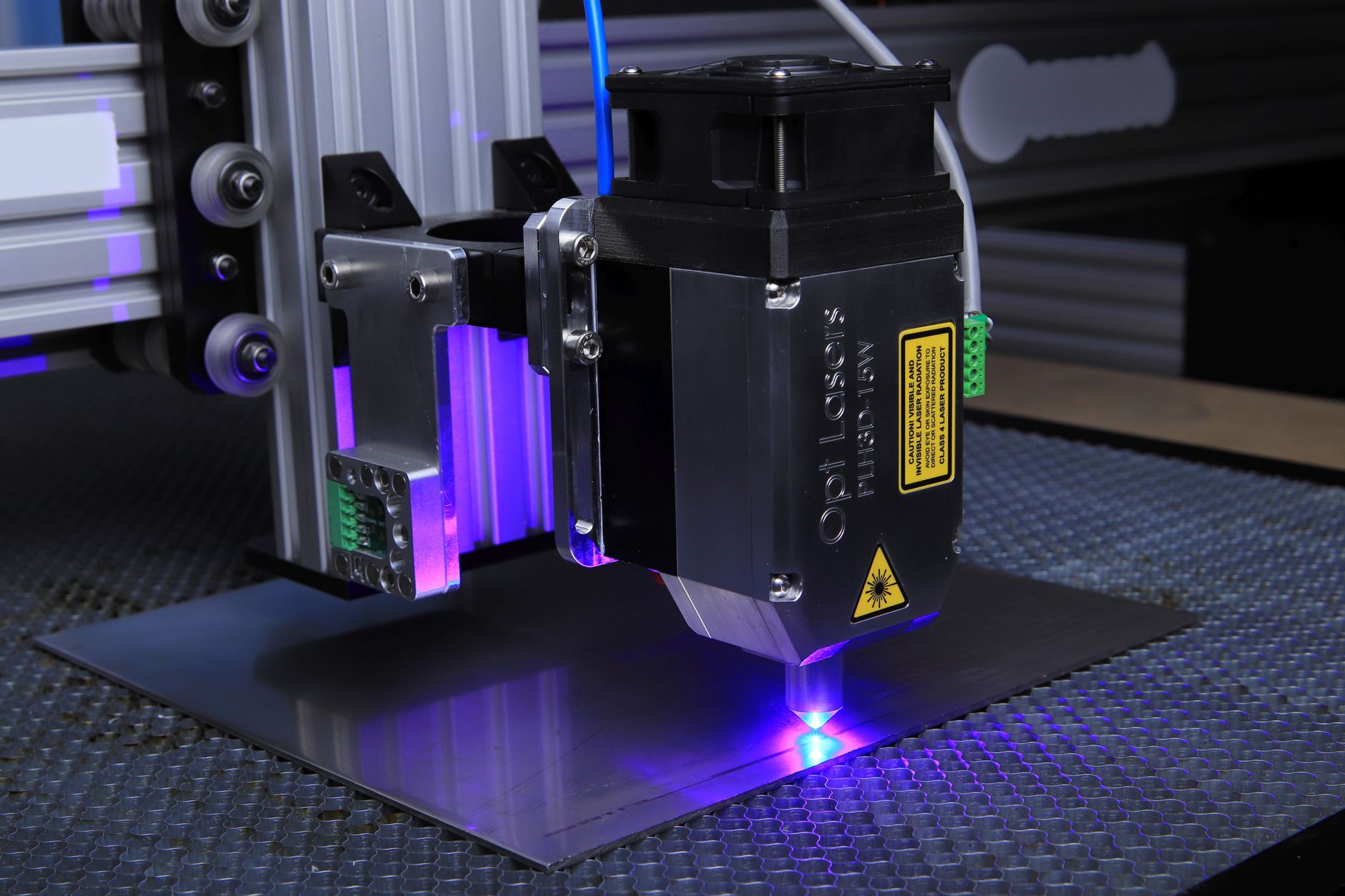
The core functionality of Makeable enables users to describe an object in plain text and receive a functional three-dimensional model without delay or hassle. Once the initial shape appears, users can refine the object to match their specific requirements and functional needs. There is no requirement for prior computer-aided design experience, which drastically lowers the barrier to entry for prospective makers. After fine-tuning the shape, users can export the file for digital applications or send it straight to a three-dimensional printer. This streamlined approach turns an abstract idea into a solid, tangible item within a single working session.
The turning point for the startup came as the software demonstrated its capability to consistently generate accurate geometric shapes directly from prompts. As the platform developed, the capacity to tweak and export clean, production-ready file formats made it truly practical for physical manufacturing. Moving seamlessly from a text description to a completed three-dimensional print proved that software could handle the heavy technical lifting behind the scenes. Creators could now iterate on physical prototypes in a matter of minutes rather than spending days navigating software menus and setting up parameters.
To further expand its reach, Makeable is preparing to showcase its technology on a prominent global stage for technological innovation. The team will be exhibiting at Web Summit 2026 in Lisbon, which takes place from 9 to 12 November. During the conference, they aim to demonstrate how simplified spatial creation can change how people approach design and manufacturing. The event marks a major milestone as they bring their software to an international gathering of technology leaders, creators, and industry professionals.
As Makeable prepares for Lisbon, the team is actively looking to build new relationships across the technology and manufacturing sectors across the world. They are seeking potential customers who want to simplify their design pipelines, as well as strategic partners interested in integration opportunities. The company is also looking to connect with talented candidates for future hires and speakers who share an interest in accessibility within digital creation. Visitors attending Web Summit 2026 are invited to connect with the team to discuss the future of object generation.
Find out more at makeable.world
 The Future FrontBe on the cover.Twice a month we put the people shaping what's next on our cover.Apply for the cover